Water quality stands as one of the most overlooked yet critical factors in running a successful cold plunge facility. While many operators focus on temperature control and user comfort, the chemical composition and cleanliness of the water directly impact guest safety, equipment longevity, and operational efficiency. A commercial operation that neglects water quality faces increased liability, equipment deterioration, and reduced customer satisfaction. Understanding why water quality matters is essential for any facility manager or spa owner seeking to maintain a professional, safe environment.
The relationship between water quality and cold plunge performance extends beyond simple aesthetics. Contaminated or improperly balanced water can harbor harmful microorganisms, reduce the effectiveness of sterilization systems, and create corrosive conditions that damage expensive equipment. For a commercial operation, these issues translate directly into higher costs, more frequent maintenance cycles, and potential guest health incidents. The stakes are too high to rely on guesswork when it comes to maintenance protocols and water chemistry management.
Understanding Water Chemistry in Commercial Cold Plunge Systems
pH Balance and Mineral Content
Proper pH balance is fundamental to water quality in any cold plunge facility. The ideal pH range for a cold plunge typically falls between 7.0 and 7.6, which ensures guest comfort while preventing corrosion of metal components and plumbing. When pH drifts too high or too low, the water becomes either too alkaline or too acidic, creating an environment that damages equipment and compromises user experience. Commercial operations must monitor pH levels daily and adjust them using appropriate chemical treatments. Mineral content also plays a role, as hard water with excessive calcium and magnesium can form scale deposits inside pipes and filtration systems, reducing efficiency and increasing maintenance demands.
Chlorine and Sanitizer Levels
Sanitizers like chlorine or bromine are essential tools for maintaining safe water quality in a commercial operation. These chemicals eliminate bacteria, viruses, and algae that could pose health risks to users. The recommended sanitizer level for a cold plunge typically ranges from 1 to 3 ppm, depending on local regulations and the specific system design. Maintaining consistent sanitizer levels prevents the growth of harmful pathogens while avoiding excessive chemical exposure that could irritate skin or create unpleasant odors. A commercial operation without proper sanitizer protocols faces serious liability issues and reputational damage.
Impact of Poor Water Quality on Equipment and Operations
Equipment Deterioration and System Damage
Neglecting water quality directly accelerates equipment failure in a cold plunge system. When water contains high levels of dissolved minerals, sediment, or corrosive substances, pumps, filters, and heat exchangers experience accelerated wear. Biofilm buildup on internal surfaces creates insulating layers that force systems to work harder, consuming more energy and generating unnecessary heat stress. Scale accumulation in pipes reduces water flow and puts strain on circulation pumps. The cost of replacing or repairing these components far exceeds the expense of implementing a robust water quality maintenance program. Commercial operations that invest in proper maintenance save substantially on emergency repairs and equipment replacement over time.
Guest Health and Safety Concerns
Poor water quality in a commercial operation creates direct health and safety risks. Inadequate sanitization allows harmful bacteria like Legionella to proliferate, potentially causing serious infections in users. Improper pH levels can lead to skin irritation, eye discomfort, and allergic reactions. Algae growth creates visible contamination that undermines guest confidence and violates basic hygiene expectations. Beyond immediate health risks, a single documented illness linked to a cold plunge facility can result in regulatory penalties, legal liability, and permanent damage to the business reputation. Health departments conduct routine inspections of commercial operations, and water quality failures often trigger facility closures or significant fines.
Best Practices for Maintaining Optimal Water Quality
Regular Testing and Monitoring Protocols
A commercial operation must establish a consistent water testing schedule to ensure ongoing quality. Daily testing of pH, chlorine or sanitizer levels, and temperature provides the baseline data needed to detect problems early. Weekly testing should include alkalinity, hardness, and cyanuric acid levels for commercial systems. Monthly professional testing by a certified laboratory offers comprehensive analysis that identifies emerging issues before they escalate. Maintaining detailed logs of all test results creates a record that demonstrates compliance with health regulations and protects the facility in case of liability questions. Many modern cold plunge facilities use automated monitoring systems that track water quality continuously and alert operators to any deviations from safe ranges.
Filtration and Circulation Best Practices
Effective filtration is a cornerstone of water quality maintenance in any commercial operation. The water should circulate through the filtration system for at least six hours daily, ensuring that particulates, dead skin cells, and other debris are continuously removed. Sand filters, cartridge filters, and advanced multi-stage systems all serve this purpose, though they require regular cleaning and occasional replacement. A commercial cold plunge facility should establish a filter maintenance calendar that includes backwashing, cartridge inspection, and replacement at manufacturer-recommended intervals. Clogged or dirty filters reduce circulation efficiency and allow contaminants to accumulate, directly compromising water quality and system performance.
Chemical Treatment and Sterilization Systems
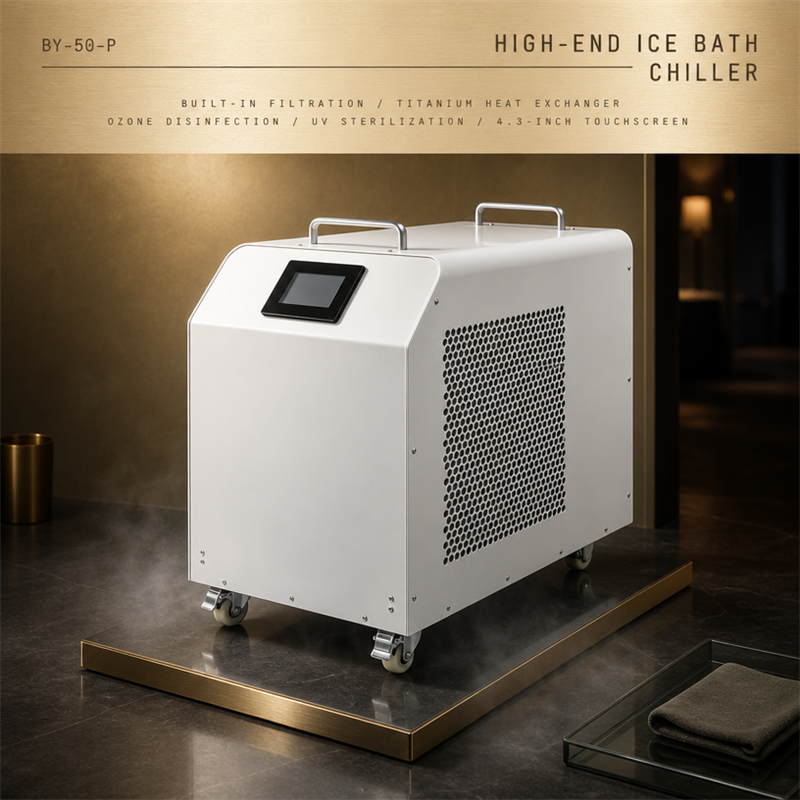
Modern commercial cold plunge systems often incorporate advanced sterilization technologies like UV light and ozone treatment alongside traditional chemical sanitizers. These supplementary systems provide additional contamination control and reduce reliance on high chemical doses. UV sterilization eliminates pathogens without adding chemicals to the water, while ozone breaks down organic contaminants and dead microorganisms. Combining multiple sterilization methods creates a comprehensive defense against water quality deterioration. A commercial operation that invests in these technologies demonstrates a commitment to guest safety while reducing chemical handling requirements and improving operational efficiency.
FAQ
How often should water quality be tested in a commercial cold plunge facility?
Water quality should be tested daily for pH, sanitizer levels, and temperature in any commercial operation. Weekly testing should include alkalinity and hardness measurements, while professional laboratory analysis should occur monthly. This testing frequency ensures that any deviations from safe parameters are caught early and corrective action can be taken immediately to maintain optimal water quality.
What happens if water quality is neglected in a commercial operation?
Neglecting water quality in a commercial cold plunge operation leads to equipment damage, guest health risks, regulatory violations, and potential facility closure. Poor water quality accelerates corrosion, scale buildup, and equipment failure while creating conditions for harmful microorganism growth. Health departments conduct routine inspections, and water quality failures can result in fines, legal liability, and permanent reputational damage to the business.
Can advanced sterilization systems replace chemical maintenance in a cold plunge facility?
While advanced sterilization systems like UV and ozone treatment significantly enhance water quality, they work most effectively as part of a comprehensive maintenance program in a commercial operation. These technologies complement traditional chemical sanitizers but should not completely replace them. A layered approach using filtration, chemical treatment, and advanced sterilization provides the most reliable protection for maintaining safe, clear water in any commercial cold plunge system.
 EN