A cold therapy machine is a specialized device designed to deliver controlled cooling to the body for therapeutic purposes. These systems use advanced refrigeration technology to maintain precise water or air temperatures, enabling targeted cold therapy that reduces inflammation, alleviates pain, and accelerates recovery. Cold therapy has become increasingly popular across multiple sectors, from elite sports training facilities to clinical rehabilitation centers, because it offers measurable benefits without invasive procedures or pharmaceutical interventions.
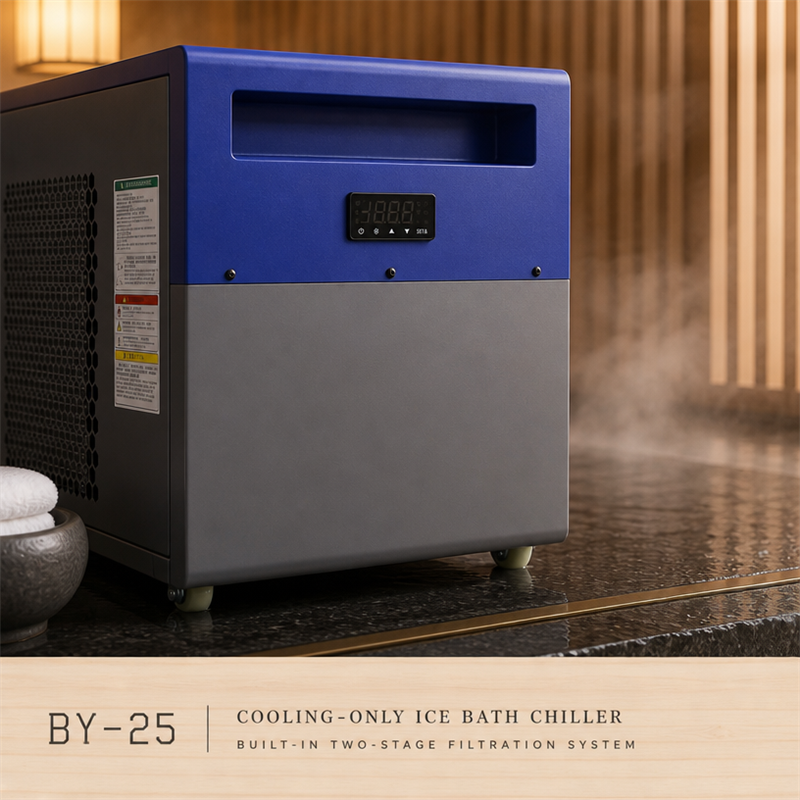
Understanding how a cold therapy machine works and recognizing its wide range of applications helps organizations make informed decisions about investing in recovery technology. Whether used in professional sports environments, medical facilities, wellness centers, or fitness studios, these machines have proven effective for managing acute injuries, supporting post-surgical recovery, and enhancing overall athletic performance. This guide explores what defines these devices, how they function, and the diverse settings where cold therapy delivers measurable results.
Understanding Cold Therapy Machine Technology
Core Components and Functionality
A cold therapy machine operates through a closed-loop refrigeration system that circulates chilled water or air through specially designed applicators, wraps, or immersion chambers. The system maintains consistent temperatures, typically ranging from 50 to 65 degrees Fahrenheit, depending on the clinical protocol and patient tolerance. Advanced models include digital temperature controls, programmable treatment durations, and safety features that prevent overcooling and tissue damage. The precision engineering behind these machines ensures that cold therapy reaches target tissues effectively while maintaining user comfort and safety throughout treatment sessions.
How Cold Therapy Mechanisms Support Recovery
When cold is applied systematically, vasoconstriction occurs, reducing blood flow to affected areas and minimizing swelling and inflammation. This physiological response makes cold therapy particularly valuable immediately after injuries or surgical procedures. As the initial cold therapy phase concludes, reactive vasodilation follows, promoting nutrient-rich blood flow that supports tissue repair and healing. The controlled application of cold therapy through mechanical devices allows practitioners to optimize these natural responses, resulting in faster recovery timelines and reduced pain intensity compared to uncontrolled or inconsistent cold applications.
Commercial Use and Professional Applications
Sports and Athletic Recovery
Professional sports teams, collegiate athletic programs, and elite training facilities rely on cold therapy machines as essential components of their recovery protocols. Athletes use these systems after intense training sessions, competitions, and during injury rehabilitation to reduce muscle soreness, manage inflammation, and maintain peak performance levels. The commercial use of cold therapy in sports settings has expanded significantly as organizations recognize that accelerated recovery directly impacts training consistency, athlete availability, and competitive outcomes. Training staff appreciate the reliability and consistency that mechanical cold therapy machines provide, eliminating variables associated with traditional ice baths or manual ice application methods.
Clinical and Medical Settings
Hospitals, orthopedic clinics, and rehabilitation facilities integrate cold therapy machines into their treatment protocols for post-operative patients and those managing chronic inflammatory conditions. Cold therapy following surgical procedures reduces postoperative pain, minimizes narcotic medication requirements, and accelerates tissue healing. Physical therapists employ these machines during rehabilitation programs to manage acute sprains, strains, and joint injuries. The commercial use of cold therapy in medical environments demonstrates how evidence-based recovery modalities improve patient outcomes while reducing overall healthcare costs through faster recovery and decreased dependence on pharmaceutical pain management.
Diverse Settings and Industry Applications
Wellness Centers and Fitness Facilities
Commercial wellness facilities and luxury fitness studios now offer cold therapy sessions as premium recovery services to their clientele. Personal trainers and wellness coaches recommend cold therapy to clients recovering from intense training or managing chronic pain conditions. The accessibility of cold therapy machines in these commercial settings allows broader populations to benefit from recovery technology previously available only to elite athletes. Facility owners recognize that offering comprehensive recovery options, including cold therapy, differentiates their business and attracts health-conscious consumers seeking science-based wellness solutions.
Occupational and Industrial Wellness
Workplace wellness programs increasingly incorporate cold therapy machines to support employee recovery and reduce work-related injuries. Industrial facilities, manufacturing plants, and warehouses with physically demanding roles benefit from on-site cold therapy access for workers managing occupational strain and repetitive stress injuries. This commercial use of cold therapy reflects growing corporate recognition that supporting employee recovery improves productivity, reduces absenteeism, and demonstrates organizational commitment to worker health. Occupational health programs using cold therapy report measurable improvements in employee satisfaction and reduced workers' compensation claims related to musculoskeletal injuries.
FAQ
What specific recovery conditions benefit most from cold therapy machine treatment?
Cold therapy machines provide significant benefits for acute injuries including sprains, strains, and contusions where inflammation control is the primary objective. Post-surgical patients experience reduced pain and swelling, allowing earlier mobilization and rehabilitation progression. Athletes managing delayed-onset muscle soreness, overuse injuries, and training-induced inflammation find cold therapy particularly effective. Individuals with chronic inflammatory conditions like arthritis and tendinitis can use cold therapy for symptom management and mobility improvement, though treatment protocols should align with individual medical conditions and practitioner guidance.
How frequently should athletes use a cold therapy machine for optimal recovery results?
Treatment frequency depends on the specific injury, recovery phase, and individual tolerance, but most protocols recommend cold therapy sessions within the first 48 to 72 hours following acute injury or intense training. Athletic recovery programs typically schedule cold therapy sessions 3 to 5 times weekly during rehabilitation phases, gradually reducing frequency as healing progresses. Professional teams often implement post-competition cold therapy routinely as part of systematic recovery protocols. Individual response varies significantly, so optimal frequency should be determined collaboratively between athletes, coaching staff, and medical professionals familiar with the specific cold therapy machine being used.
What distinguishes professional cold therapy machines from consumer-grade cooling devices?
Professional cold therapy machines deliver superior temperature precision, programmable treatment protocols, and durable construction designed for high-volume commercial use. These systems maintain consistent water temperatures throughout treatment sessions, include safety mechanisms preventing overcooling and tissue damage, and often feature data tracking capabilities for monitoring treatment efficacy. Commercial use equipment incorporates robust cooling technology accommodating multiple patients daily without performance degradation. Consumer devices typically offer less precise temperature control, shorter treatment durations, and limited customization options, making professional-grade cold therapy machines essential for clinical settings, athletic facilities, and organizations prioritizing evidence-based recovery protocols.
 EN









