Selecting the right stainless steel bathtub for commercial environments requires careful evaluation of multiple factors beyond basic appearance. Commercial facilities face distinct operational demands that differ significantly from residential applications, making design comparison a critical decision-making process. Understanding how to assess stainless steel bathtub options ensures you select a solution that balances durability, safety, maintenance requirements, and long-term cost efficiency. This guide walks you through the essential selection criteria that facility managers and procurement specialists should evaluate when comparing designs for commercial use.
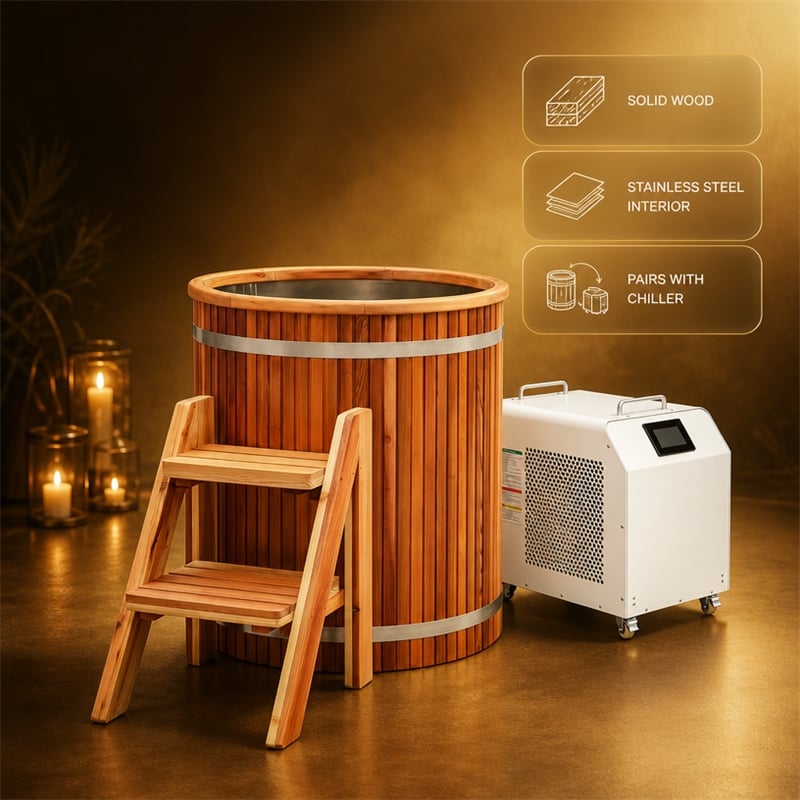
The design comparison process for commercial bathtubs extends beyond visual aesthetics. Commercial facilities including spas, gyms, wellness centers, recovery clinics, and athletic facilities require bathtubs that withstand constant use, frequent cleaning, and exposure to chemicals. Material grade, finish quality, drainage systems, and structural reinforcement all influence performance and reliability. When evaluating design options for commercial use, you must assess how each specification contributes to operational efficiency, staff safety, and guest satisfaction across your facility's daily operations.
Material Grade and Construction Standards
Understanding Stainless Steel Grades
Not all stainless steel bathtub options offer identical performance characteristics. The grade of stainless steel used in construction directly affects corrosion resistance, durability, and long-term maintenance costs. Grade 304 stainless steel represents the industry standard for commercial bathtub applications, offering excellent resistance to chlorine exposure and thermal stress. For facilities using salt-based systems or operating in coastal environments, Grade 316 stainless steel provides enhanced corrosion resistance but typically increases initial investment. The design comparison should prioritize material specifications that match your facility's specific chemical exposure profile and environmental conditions. Understanding these distinctions ensures your stainless steel bathtub selection performs reliably throughout its operational lifespan without premature degradation or surface deterioration.
Structural Integrity and Thickness
Commercial use demands robust construction that withstands constant user traffic and mechanical stress. Wall thickness directly correlates with structural longevity and thermal efficiency. Most commercial-grade stainless steel bathtub designs feature walls ranging from 1.5 to 2.5 millimeters, with thicker construction generally supporting higher usage intensity and better heat retention. The base reinforcement structure significantly influences how the tub distributes weight and resists deformation under load. During your design comparison process, request detailed construction specifications and consider how structural standards align with your facility's daily usage volume. Adequate structural integrity prevents costly repairs, reduces maintenance downtime, and extends the overall service life of your investment.
Functional Features for Commercial Operations
Drainage and Plumbing Integration
Efficient drainage becomes critical in commercial environments where bathtubs experience high-frequency filling and emptying cycles. The design comparison should examine drain positioning, flow rate capacity, and connection compatibility with existing facility infrastructure. Commercial stainless steel bathtub models typically incorporate multiple drain outlets, overflow mechanisms, and rapid-emptying systems that residential designs lack. Accessible drain positioning facilitates routine cleaning and prevents standing water that accumulates bacteria or debris. Plumbing integration standards must accommodate your facility's existing water supply and waste management systems. Overflow protection prevents spillage during peak operational periods and protects facility flooring from water damage. Evaluating these drainage features during selection ensures your bathtub integrates seamlessly with current building systems while maintaining efficient daily operations.
Temperature Control and Safety Features
Commercial facilities prioritize user safety through reliable temperature regulation and protective design elements. Advanced stainless steel bathtub designs incorporate thermostatic mixing valves that maintain consistent water temperature and prevent scalding incidents. Non-slip surfaces, grab bar integration points, and rounded edge construction reduce accident risk across diverse user populations. The design comparison should evaluate whether options include built-in accessibility features or accommodate aftermarket safety installations. Temperature control systems directly impact user satisfaction and reduce liability exposure for your facility. Safety-focused design specifications demonstrate compliance with health and safety regulations while protecting guest well-being. Facilities serving elderly populations, athletes, or recovery patients require particularly robust safety integration that justifies the selection investment.
Aesthetic and Maintenance Considerations
Surface Finishes and Durability
The surface finish applied to your stainless steel bathtub significantly influences appearance, maintenance requirements, and corrosion resistance. Brushed finishes reduce fingerprint visibility and hide minor scratches better than polished options, making them practical for high-traffic commercial environments. Mirror-polished surfaces project luxury aesthetics but demand more frequent cleaning to maintain appearance. The design comparison should consider how different finishes perform under your facility's specific cleaning protocols and maintenance schedules. Some finishes resist water spotting better than others, affecting the time and resources required for ongoing care. Selecting a finish that balances aesthetic goals with realistic maintenance capacity ensures your bathtub maintains professional appearance throughout its service life without excessive labor investment.
Cleaning Protocols and Hygiene Standards
Commercial use requires stainless steel bathtub designs that facilitate thorough sanitization and meet hygiene standards. Crevice-free construction, seamless welds, and smooth interior surfaces prevent bacterial accumulation and simplify cleaning processes. The design comparison should identify whether options accommodate chemical disinfectants and high-temperature water jets used in commercial cleaning protocols. Easy accessibility to all interior and exterior surfaces accelerates turnaround time between users. Removable components should install and remove without special tools, supporting efficient daily maintenance workflows. Bathtub designs that prioritize hygiene and easy cleaning reduce infection risks, improve user satisfaction, and decrease staff time spent on sanitation tasks. This functional consideration often justifies selecting premium options that offer superior cleanability features.
FAQ
What material grade stainless steel bathtub should commercial facilities prioritize?
Grade 304 stainless steel represents the standard selection for most commercial use applications, delivering excellent corrosion resistance and cost-effectiveness. Grade 316 provides enhanced protection in salt-exposure environments or coastal locations but increases initial expense. Your stainless steel bathtub selection should match your facility's specific chemical exposure, climate conditions, and budget parameters. Consulting with facility engineers helps ensure material specifications align with operational requirements and long-term performance expectations.
How does design comparison help identify the right commercial bathtub solution?
Systematic design comparison evaluates drainage efficiency, temperature control, safety integration, material durability, and maintenance requirements across available options. This structured approach ensures your stainless steel bathtub selection supports operational efficiency, complies with health standards, and delivers optimal user satisfaction. Comparing multiple design specifications prevents selecting undersized or overly complex solutions that create operational challenges. Professional evaluation guides informed decisions that balance performance, safety, and budget considerations throughout your facility's bathtub lifecycle.
What commercial use factors most influence stainless steel bathtub selection?
Usage frequency, user demographics, water chemistry, climate conditions, and maintenance capacity represent key commercial use factors affecting design comparison decisions. High-traffic facilities require robust construction with superior drainage and sanitization capabilities. Cold climate regions benefit from superior thermal retention, while coastal locations demand enhanced corrosion-resistant material grades. Your stainless steel bathtub selection should align with these operational realities to ensure reliable performance and cost-effective long-term value for your commercial facility.
 EN









