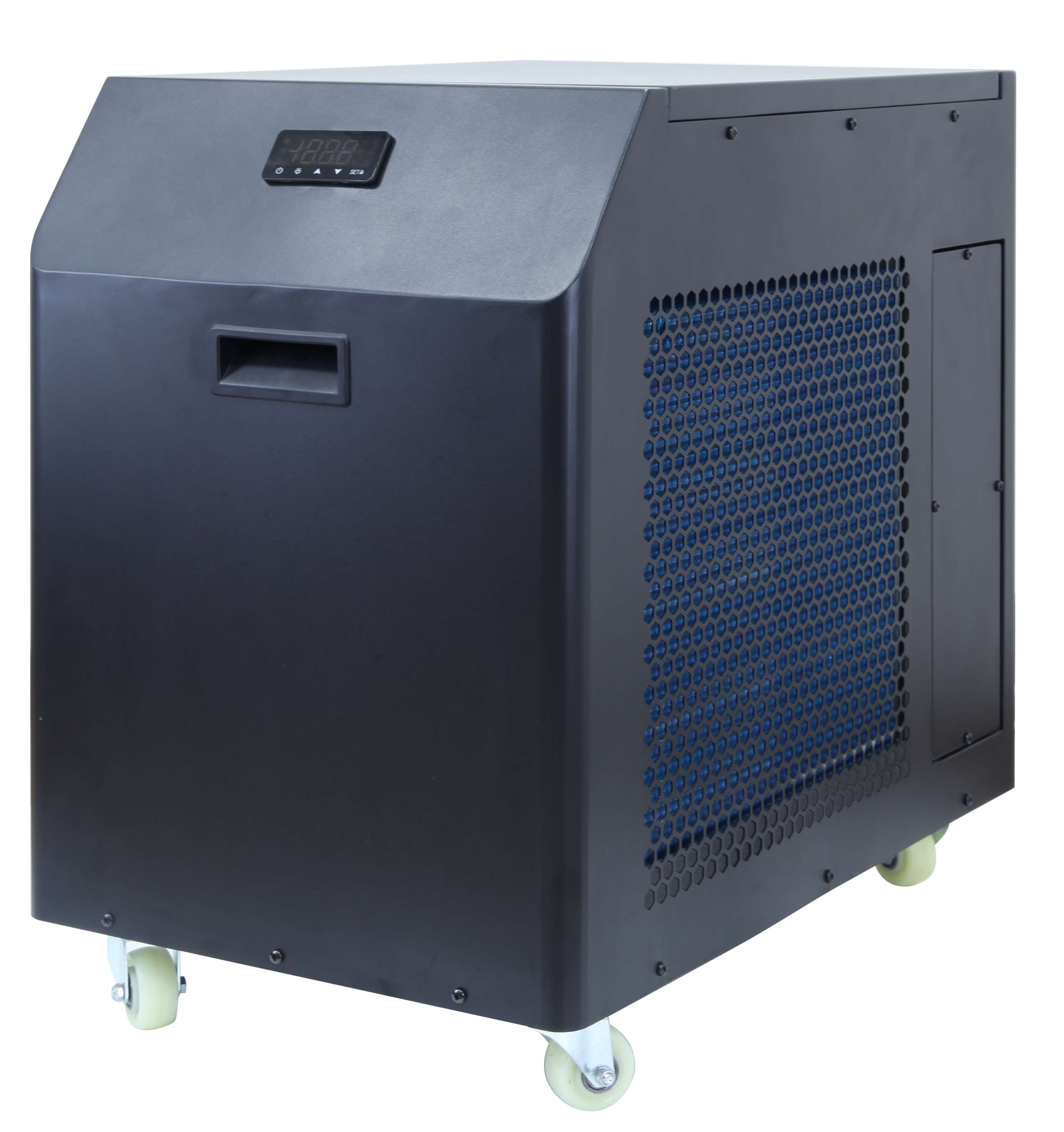
Successful delivery of a custom ice bath chiller project depends on far more than equipment specifications alone. The quality of supplier communication shapes every phase of your custom project, from initial design consultation through final installation and support. When OEM partners communicate clearly and consistently, projects stay on schedule, costs remain predictable, and the final ice bath chiller system meets your exact operational needs. Poor communication, conversely, leads to misaligned expectations, costly redesigns, and equipment that underperforms in real-world conditions.

In custom industrial projects, the stakes are particularly high. Your facility has unique temperature control requirements, space constraints, and integration demands that off-the-shelf solutions cannot address. This is where supplier communication becomes a strategic asset. An OEM that invests time in understanding your application, asks clarifying questions upfront, and maintains transparent dialogue throughout design and manufacturing phases dramatically increases the likelihood of first-time success. The ice bath chiller you receive will function reliably within your exact operational context rather than requiring expensive modifications after delivery.
Why Supplier Communication Shapes Project Outcomes
Aligning Technical Requirements Early
When you initiate a custom project with an OEM supplier, the initial communication phase sets the trajectory for everything that follows. Clear articulation of your facility's cooling capacity needs, temperature precision requirements, and spatial constraints allows the supplier to design an ice bath chiller that fits your exact specifications. Suppliers who ask detailed questions about your application environment, peak demand periods, and integration points demonstrate that they understand the complexity of custom projects. This exploratory communication prevents costly misalignments where the delivered ice bath chiller lacks sufficient capacity or occupies more floor space than your facility can accommodate. The supplier communication process also surfaces regulatory compliance needs specific to your industry, such as sanitation standards or energy efficiency mandates that influence custom project design from the outset.
Preventing Scope Creep and Budget Overruns
Custom projects carry inherent risk of scope expansion during development. Without disciplined supplier communication protocols, small requests accumulate into significant design changes that inflate costs and delay delivery timelines. Leading OEM partners establish clear communication milestones where requirements are documented, reviewed, and formally approved before engineering proceeds. This structured approach to supplier communication ensures that your custom project remains within budget parameters and maintains its original timeline. When unforeseen technical challenges emerge during manufacturing, suppliers who communicate proactively present options with associated costs and schedule impacts rather than implementing changes unilaterally. For an ice bath chiller custom project, this transparency prevents surprises at final invoicing and ensures stakeholders understand the business rationale behind any cost adjustments.
Building Strong Supplier Communication Channels
Establishing Clear Escalation Protocols
Effective supplier communication requires well-defined escalation paths that ensure urgent issues receive appropriate attention. For custom projects, identify a primary technical contact at the OEM and establish backup communication channels for times when your primary contact is unavailable. This redundancy prevents communication bottlenecks where critical decisions stall because key personnel are traveling or on leave. A structured escalation protocol means that if your facility experiences a concern with the ice bath chiller design specification, your team knows exactly whom to contact and through which channel to escalate if initial responses are unsatisfactory. Document these communication protocols in your custom project contract so both parties share expectations about response timeframes and decision-making authority.
Documentation and Change Management
Every communication about your custom project should generate documented records that both you and the OEM supplier retain. Email confirmations of technical decisions, meeting notes summarizing design discussions, and approved specification drawings form the institutional memory of your custom project. This documentation prevents misunderstandings where one party recalls a discussion differently than the other. For an ice bath chiller custom project, documented communication ensures that when installation teams arrive at your facility, they possess complete clarity about the system's intended configuration. Additionally, detailed records create accountability; if the supplier fails to deliver features previously confirmed via email, you have documented evidence of the commitment. Many disputes in custom projects stem not from bad faith but from communication records that were unclear or incomplete.
Leveraging Supplier Communication for Post-Delivery Support
Creating Knowledge Transfer Protocols
The relationship with your OEM supplier extends well beyond equipment handoff. Comprehensive supplier communication during the final project phase should include detailed knowledge transfer sessions where your facility operations team learns system operation, routine maintenance procedures, and troubleshooting protocols from the supplier's technical staff. These sessions might include virtual training on ice bath chiller operation and live demonstration during commissioning. Well-executed knowledge transfer communication prevents operational errors that degrade system performance or void warranties. When your team understands how the ice bath chiller functions and what constitutes normal operation versus a warning condition, you avoid unnecessary service calls and maintain reliable performance throughout the system's operational life.
Establishing Ongoing Support Relationships
Quality supplier communication during the custom project phases naturally extends into a productive long-term relationship with your OEM. Suppliers who have invested heavily in understanding your facility and communicating throughout the custom project are positioned to provide superior ongoing support when operational questions or maintenance needs arise. This continuity of relationship means faster problem resolution because your OEM contact already knows your facility's configuration and historical context. For an ice bath chiller system that may operate for ten years or longer, the value of this established supplier communication relationship far exceeds the effort invested during the initial custom project phase. Consider supplier communication capability and demonstrated relationship commitment as part of your OEM selection criteria, not merely the initial equipment price.
FAQ
How does supplier communication affect the timeline of a custom project?
Clear, proactive supplier communication accelerates custom project timelines by ensuring design consensus before engineering work begins and by identifying potential issues early when they are inexpensive to address. OEM suppliers who maintain regular communication touchpoints with your team can flag risks immediately rather than discovering complications late in manufacturing. Poor communication, conversely, creates cycles of rework where misunderstood specifications require design revisions, costing weeks of additional schedule time. For an ice bath chiller custom project, suppliers who excel at communication typically deliver on schedule while those lacking communication discipline frequently miss their original commitment dates.
What should be included in supplier communication documentation for a custom project?
Documentation should capture the agreed-upon ice bath chiller specifications, capacity ratings, control system requirements, material selections, and any custom features unique to your application. Include communication records of design review meetings, approval sign-offs on engineering drawings, and decisions regarding scope trade-offs or cost adjustments. Maintain records of all change requests and supplier responses. This documentation creates a comprehensive project record that both you and the OEM can reference if disputes arise or if clarification is needed years later when maintenance becomes necessary. Detailed communication records also protect both parties by establishing mutual understanding of what was delivered and why.
How can we improve supplier communication with an OEM for future custom projects?
Conduct a post-project review with your OEM contact to discuss what communication practices worked well and where both parties could improve. Establish standard communication templates and protocols before starting future custom projects so both teams share consistent expectations. Assign dedicated resources on your side to maintain regular contact with the OEM, rather than fragmenting communication across multiple internal stakeholders who may send conflicting messages. Clearly define decision-making authority within your organization and communicate this to the OEM supplier so they know whom to contact when questions require your facility's approval. Building communication consistency across multiple custom projects with the same supplier strengthens the relationship and improves efficiency on each successive engagement.
 EN