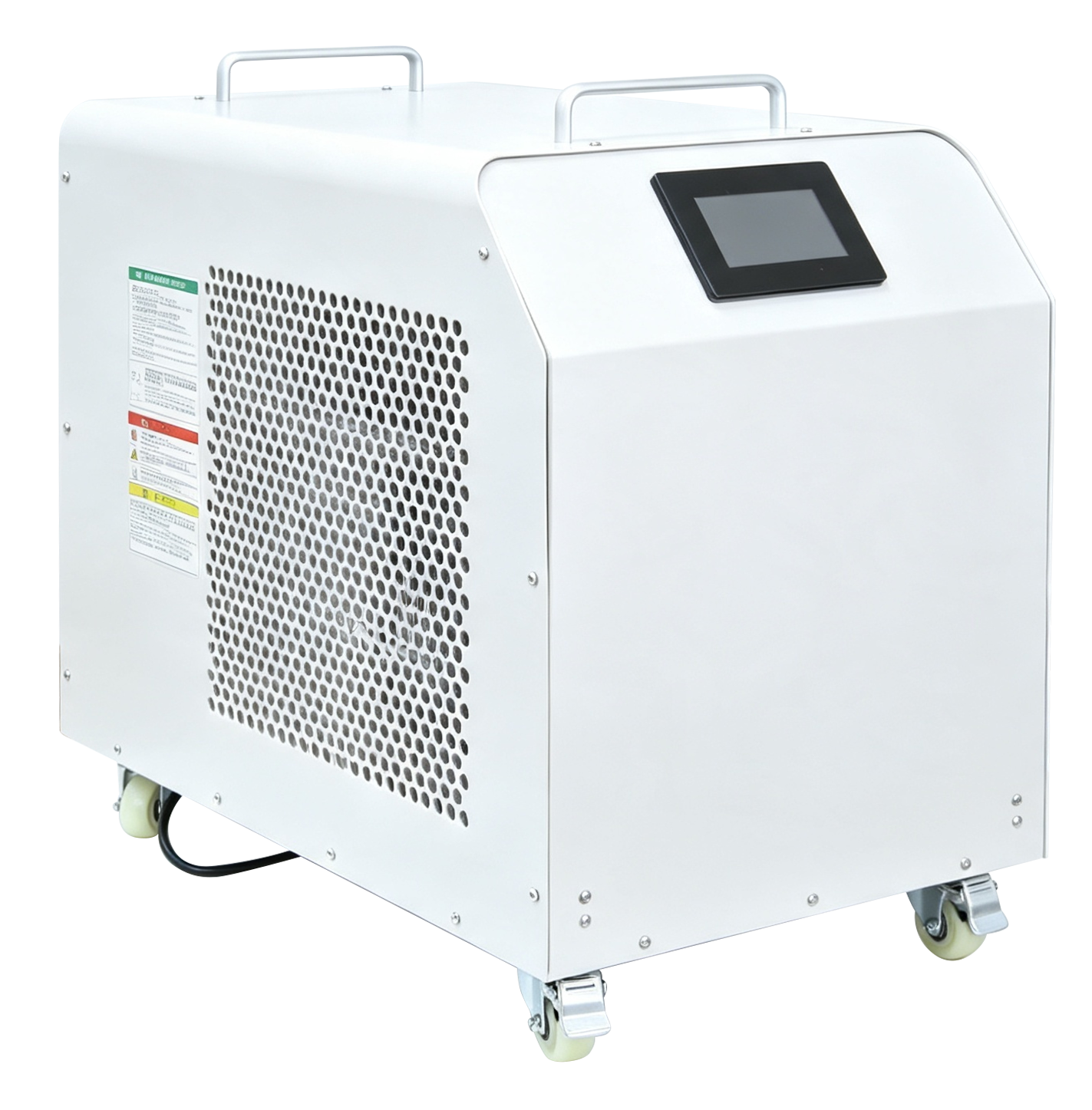
A cold plunge chiller is only as effective as its ability to maintain consistent water temperatures over time. Many users invest in cold water immersion therapy expecting dramatic recovery benefits, but they often overlook one fundamental reality: without stable cooling, the physiological response becomes unpredictable and potentially counterproductive. Temperature fluctuations create stress on the body, trigger inconsistent hormonal responses, and undermine the adaptation mechanisms that make cold plunge therapy valuable in the first place.
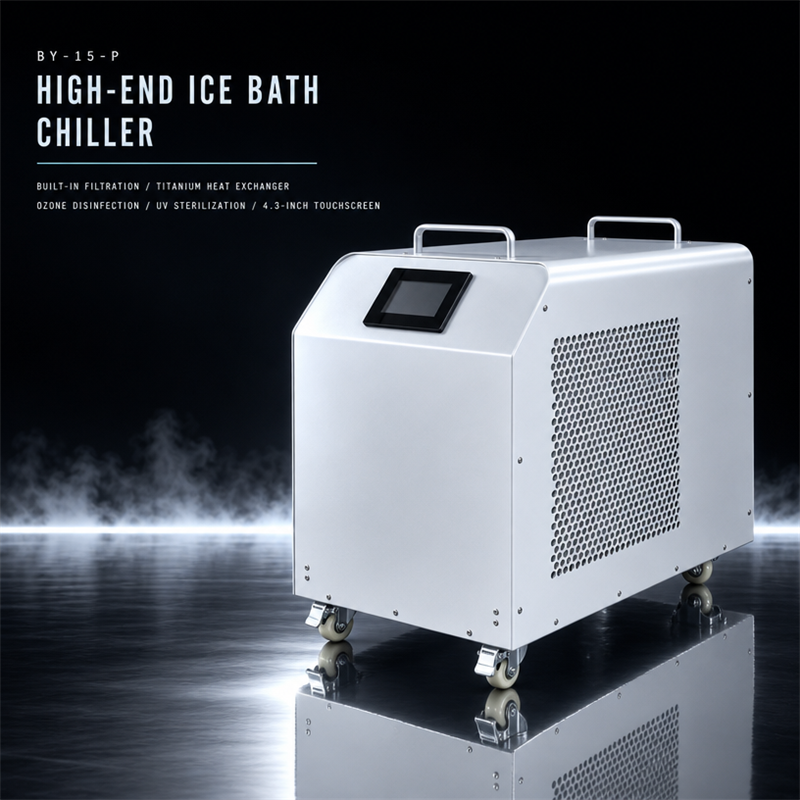
The difference between a device that merely cools and one that delivers stable cooling is the distinction between a toy and a serious wellness tool. Stable cooling ensures that every plunge session provides identical thermal conditions, allowing your body to adapt predictably and safely. This reliability forms the foundation of any effective cold water immersion program, whether you're an athlete seeking faster recovery, someone managing inflammation, or a biohacker optimizing cellular resilience.
Understanding Stable Cooling and Temperature Control
What Defines Stable Cooling Performance
Stable cooling refers to a chiller's ability to hold water within a narrow temperature band without significant fluctuation throughout your plunge session. Unlike basic refrigeration units that cycle on and off dramatically, advanced temperature control systems monitor water temperature in real time and make micro-adjustments to maintain consistency. When a cold plunge chiller achieves true stability, the water remains within plus or minus 0.5 degrees Celsius of your target, ensuring that every minute of immersion delivers the same thermal stimulus.
Temperature control precision matters because your body's response to cold exposure depends on consistency. When temperatures drift upward mid-session, your nervous system begins to downregulate its stress response, reducing the adaptation benefit. Conversely, unexpected temperature drops can shock your system and compromise comfort. The stability of your cooling system directly determines whether you experience the intended physiological adaptation or merely endure discomfort without the corresponding benefit.
Why Fluctuations Undermine Performance
Temperature swings in an unstable cold plunge chiller create several performance problems. First, they prevent your body from reaching homeostatic adaptation, the metabolic state where recovery benefits actually occur. Second, fluctuations force you to focus on discomfort rather than the controlled breathing and mindfulness that enhance the cold exposure experience. Third, unpredictable temperatures make it impossible to track your actual cold tolerance progression, since you cannot distinguish between genuine adaptation and variation caused by equipment unreliability.
Athletes and serious users depend on stable cooling to establish baseline cold exposure protocols. When your cold plunge chiller's temperature control drifts, your training becomes meaningless because you're not reproducing the same stimulus session after session. This inconsistency frustrates progress tracking and prevents you from building the adaptive capacity that makes regular cold immersion worthwhile.
The Physiological Impact of Stable vs. Unstable Cooling
How Stable Cooling Optimizes Recovery
The body adapts to cold exposure through a process called cold-induced thermogenesis and hormonal cascading. When your cold plunge chiller maintains stable cooling, your system engages these mechanisms predictably. Consistent exposure stimulates the release of norepinephrine, a neurotransmitter that reduces inflammation, enhances alertness, and supports mood regulation. Over weeks of regular sessions with stable temperature control, your nervous system becomes more efficient at managing cold stress, and recovery benefits accumulate.
Stable cooling also protects your cardiovascular system. When water temperature remains constant, your heart rate and blood pressure respond in a measured, predictable way. Your body's vagal tone improves through controlled exposure, enhancing parasympathetic function and overall stress resilience. Without stable cooling, your cardiovascular system faces unexpected thermal shocks that can create unnecessary strain rather than beneficial adaptation.
Performance Degradation with Unstable Systems
An unstable cold plunge chiller forces your body into reactive mode rather than adaptive mode. Temperature swings trigger repeated activation of your fight-or-flight response without the corresponding recovery phase your nervous system needs. This creates low-grade chronic stress rather than controlled cold exposure, potentially compromising immune function and increasing inflammation over time. Athletes and wellness-focused individuals who use unstable equipment often report diminishing returns and growing frustration rather than improved results.
Unstable temperature control also introduces safety concerns. Sudden temperature drops can cause blood pressure spikes in vulnerable individuals, while unexpected warming reduces the stimulus your body expects. Users cannot establish safe exposure durations because they cannot trust that the thermal conditions will remain consistent. This uncertainty often leads people to abandon cold plunge practice entirely, blaming the therapy rather than recognizing that their equipment lacked adequate temperature control systems.
Practical Benefits of Investing in Stable Cooling Technology
Consistency Enables Protocol Adherence
When your cold plunge chiller delivers stable cooling, you can commit to a reproducible immersion protocol with confidence. Coaches, trainers, and biohackers all depend on this consistency to design effective cold exposure programs. Temperature control precision means that the second, third, and twentieth session of your cold water immersion protocol create the same physiological stimulus, allowing your adaptation to build systematically. This consistency is why professional athletes and serious performance enthusiasts specifically demand stable cooling from their equipment.
Stable cooling also simplifies user decision-making. Instead of constantly adjusting times, durations, and breathing patterns to compensate for temperature drift, you focus on the actual cold immersion experience. You can follow established protocols from experts, track your own progress accurately, and avoid the frustration that comes from unpredictable equipment behavior. When your cold plunge chiller maintains stable cooling, the therapy becomes reliable enough to integrate into your weekly routine without surprises.
Long-Term Cost Efficiency and Equipment Longevity
Advanced temperature control systems in modern chillers reduce compressor cycling, which extends the lifespan of refrigeration components. When a cold plunge chiller relies on stable cooling technology rather than aggressive on-off cycling, the compressor faces less thermal stress and maintains efficiency over years of use. This means your investment in a quality chiller with stable cooling actually costs less per session over time than cheaper alternatives that burn out quickly or lose cooling capacity after months of use.
Stable cooling also reduces water treatment costs and maintenance complexity. Consistent temperatures prevent bacterial growth variations and reduce the fluctuations that stress filtration and ozone systems. Users report that chillers with superior temperature control require fewer chemical adjustments and maintain water clarity longer. The operational efficiency of stable cooling directly translates to lower total cost of ownership, making precision temperature control a financial advantage as well as a performance one.
FAQ
Can a cold plunge chiller work without stable cooling?
Yes, basic immersion chillers function without advanced temperature control, but they deliver inconsistent results. Without stable cooling, water temperature drifts constantly, creating unpredictable sessions that undermine adaptation and frustrate users. While technically functional, these systems fail to deliver the physiological benefits that make cold plunge therapy worthwhile. Serious practitioners avoid unstable systems because the unreliability makes progress tracking and protocol adherence impossible.
How does temperature control affect cold plunge session quality?
Temperature control precision determines whether your body enters genuine adaptation mode or merely reacts to thermal stress. Stable cooling creates the consistent stimulus your nervous system needs to build cold tolerance progressively. When your cold plunge chiller maintains tight temperature control, every session reinforces your adaptation, while temperature fluctuations create confusion that prevents this benefit. Quality is measured by consistency, not by the lowest possible temperature alone.
What temperature range should a stable cooling system maintain?
Most effective cold plunge protocols use water temperatures between 10 and 15 degrees Celsius, with individual preferences varying based on experience level. A cold plunge chiller with genuine stable cooling should hold your target temperature within plus or minus 0.5 degrees throughout your session. Beginners may start warmer around 15 degrees, while experienced users often plunge at 10 degrees or lower. The key is that your specific cold plunge chiller maintains whatever target temperature you set without significant drift.
 EN