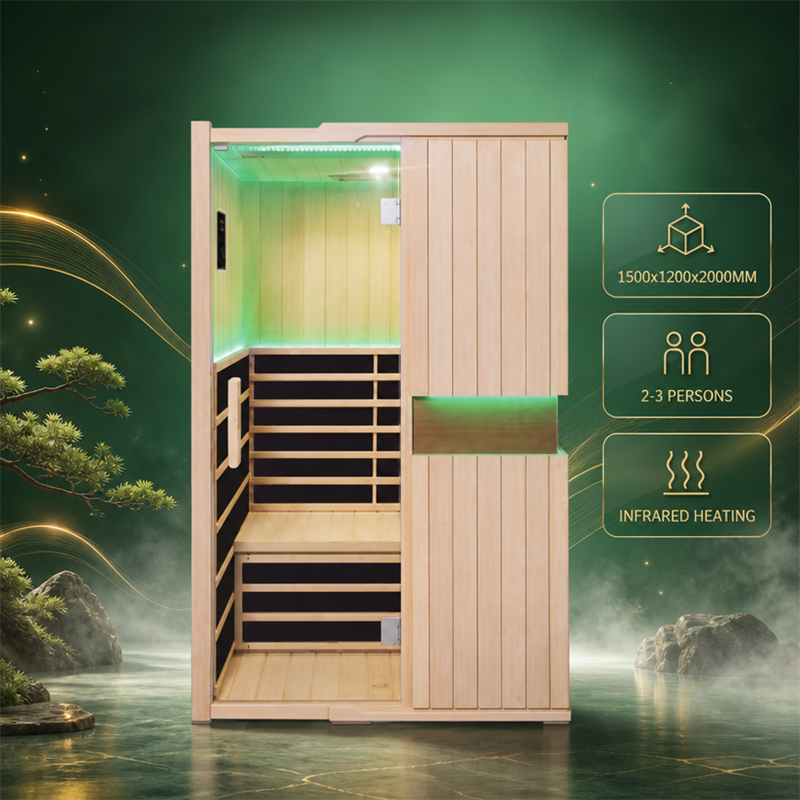
The quality of a guest's experience in a sauna extends far beyond the heat itself. When visitors step into a thoughtfully designed sauna, they enter an environment that communicates care, attention to detail, and a commitment to their wellness journey. A well-executed sauna design transforms a simple room into a sanctuary where guests feel welcomed, comfortable, and genuinely rejuvenated. This matters because first impressions shape how guests perceive your entire facility, and the sauna experience often becomes a memorable highlight that influences their return visits and recommendations to others.
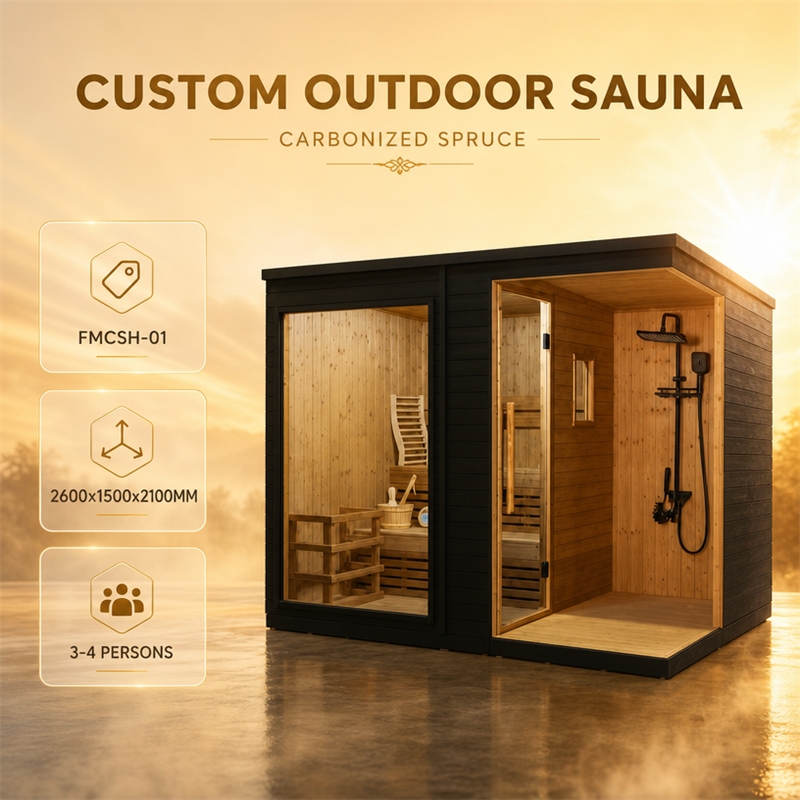
The connection between design and guest experience is direct and measurable. When a sauna lacks intentional design—poor ventilation, cramped seating, inadequate lighting, or uncomfortable materials—guests leave dissatisfied and are unlikely to return. Conversely, guests who enter a sauna with excellent design elements report higher satisfaction, longer session times, and stronger loyalty to your facility. This article explores how sauna design directly influences the guest experience and why investing in proper design is essential for any wellness-focused hospitality or fitness business.
The Role of Layout and Spatial Design in Guest Comfort
Creating an Intuitive and Welcoming Entry
The first element of sauna design that impacts guest experience is the layout and entry experience. Guests should be able to find the sauna easily, enter without confusion, and immediately feel at home. A well-designed sauna entrance includes clear signage, adequate space for changing, and an intuitive transition from the entry area into the main chamber. The layout should allow guests to move naturally without bottlenecks or awkward passages. When guests encounter poor spatial design, they feel rushed and uncomfortable before they even sit down, which negatively frames their entire wellness experience.
Optimizing Seating Configuration for Relaxation
The arrangement of benches within a sauna is fundamental to guest comfort and experience. A thoughtful design positions benches at varying heights to accommodate different preferences and body sizes, allowing guests to choose their ideal heat intensity and comfort level. Adequate spacing between benches prevents feelings of overcrowding and invasion of privacy, even when multiple guests are present. The width and depth of seating areas should support proper posture and allow guests to relax fully without tension. When sauna design includes ergonomic seating arrangements, guests naturally stay longer, experience deeper relaxation, and report higher satisfaction with their wellness visit.
Material Selection and Ambient Elements That Enhance Wellness
Choosing Materials That Support the Wellness Experience
The materials used in sauna construction directly influence how guests perceive quality and experience the environment. Natural wood, particularly heat-resistant varieties like cedar or spruce, creates warmth and authenticity that synthetic materials cannot replicate. Wood also provides superior thermal properties, maintains comfortable surface temperatures, and emits subtle, pleasant aromas that enhance the wellness atmosphere. When sauna design incorporates quality materials, guests feel the difference immediately—their hands touch smooth, warm wood rather than cold tile or plastic, and their olfactory senses engage with the natural environment. This sensory completeness deepens the guest experience and justifies premium positioning.
Lighting and Temperature Control as Design Elements
Ambient design in a sauna includes thoughtful lighting and temperature consistency. Soft, warm lighting creates a calming atmosphere and helps guests transition mentally into a relaxation state. Poor or harsh lighting disrupts this transition and creates an industrial rather than wellness-focused environment. Equally important is maintaining consistent, controllable temperature throughout the chamber. When sauna design includes quality temperature management and adjustable lighting, guests feel that every detail has been considered for their benefit. This attention to environmental details reinforces the perception that the facility truly prioritizes their wellness and guest experience, encouraging repeat visits and positive referrals.
Ventilation, Humidity Control, and Health-Focused Design
How Proper Ventilation Impacts Perceived Air Quality
A critical but often overlooked aspect of sauna design is ventilation and air quality management. Guests quickly become uncomfortable and anxious if they perceive the air as stale, stuffy, or poorly managed. Proper sauna design includes well-engineered ventilation systems that maintain air freshness without creating drafts or temperature fluctuations that disrupt the experience. When air quality is excellent, guests relax more deeply and remain longer in the sauna, naturally extending their wellness session. Conversely, poor ventilation is immediately noticed and attributed to negligent facility management, damaging guest experience and creating negative word-of-mouth.
Humidity Levels and Their Psychological Effect
The balance between temperature and humidity is another design element that significantly shapes guest experience. A sauna with well-calibrated humidity levels feels luxurious and deeply therapeutic, while one with excessive or insufficient humidity creates discomfort and self-consciousness. When design includes proper humidity control systems, guests experience the sauna as a professional wellness environment rather than an uncomfortable experiment. This distinction is psychologically powerful—guests who experience balanced humidity report that the sauna felt 'designed for their comfort' rather than 'I just tolerated it.' This perception directly translates to higher satisfaction scores and increased facility utilization. Strategic sauna design therefore includes investing in quality humidity regulation that creates the optimal wellness atmosphere.
Accessibility, Inclusivity, and Universal Design Principles
Designing for Diverse Guest Populations
A sauna that truly enhances guest experience considers the needs of diverse visitors, including elderly guests, individuals with mobility limitations, and guests of varying body types. Universal design principles in sauna construction include grab bars positioned strategically, non-slip flooring surfaces, benches at multiple heights, and clear visual contrasts that aid navigation. When a sauna is designed with accessibility as a core principle, all guests feel included and valued, which profoundly improves their perception of the facility. Guests who might otherwise avoid saunas due to accessibility concerns report that thoughtful design made them feel welcome and safe, expanding their engagement with your wellness offerings.
Inclusive Design as a Business and Brand Asset
Inclusive sauna design is not merely a courtesy—it is a strategic business advantage. Facilities that prioritize accessibility and diverse guest needs expand their market reach, increase average facility engagement, and build stronger community loyalty. When your sauna design demonstrates genuine commitment to serving all guests, you create word-of-mouth advocates who appreciate that commitment. This inclusive approach to design directly enhances the overall guest experience across your entire facility, positioning you as a wellness leader that understands human-centered design.
FAQ
How does sauna design affect guest satisfaction scores?
Sauna design directly correlates with guest satisfaction because every element—from spatial layout to material selection to ventilation—contributes to how comfortable and valued guests feel. Facilities that invest in thoughtful design report measurably higher satisfaction ratings, longer sauna session times, and increased repeat visits compared to facilities with standard or neglected sauna environments.
What are the most important design elements for guest experience in a sauna?
The most impactful design elements include intuitive spatial layout, quality natural materials like cedar or spruce, adequate ventilation and humidity control, appropriate lighting, ergonomic seating arrangements, and accessibility features. These elements work together to create an environment where guests feel comfortable, valued, and genuinely relaxed, which is the core of positive guest experience.
Can poor sauna design damage a facility's reputation?
Yes, poor sauna design can significantly harm a facility's reputation because the sauna experience is often the most intimate and personal part of a wellness visit. When guests encounter issues like inadequate ventilation, uncomfortable seating, cold materials, or poor lighting, they attribute these problems to facility negligence, and they share negative experiences more readily than positive ones, making design quality essential to brand protection.
 EN