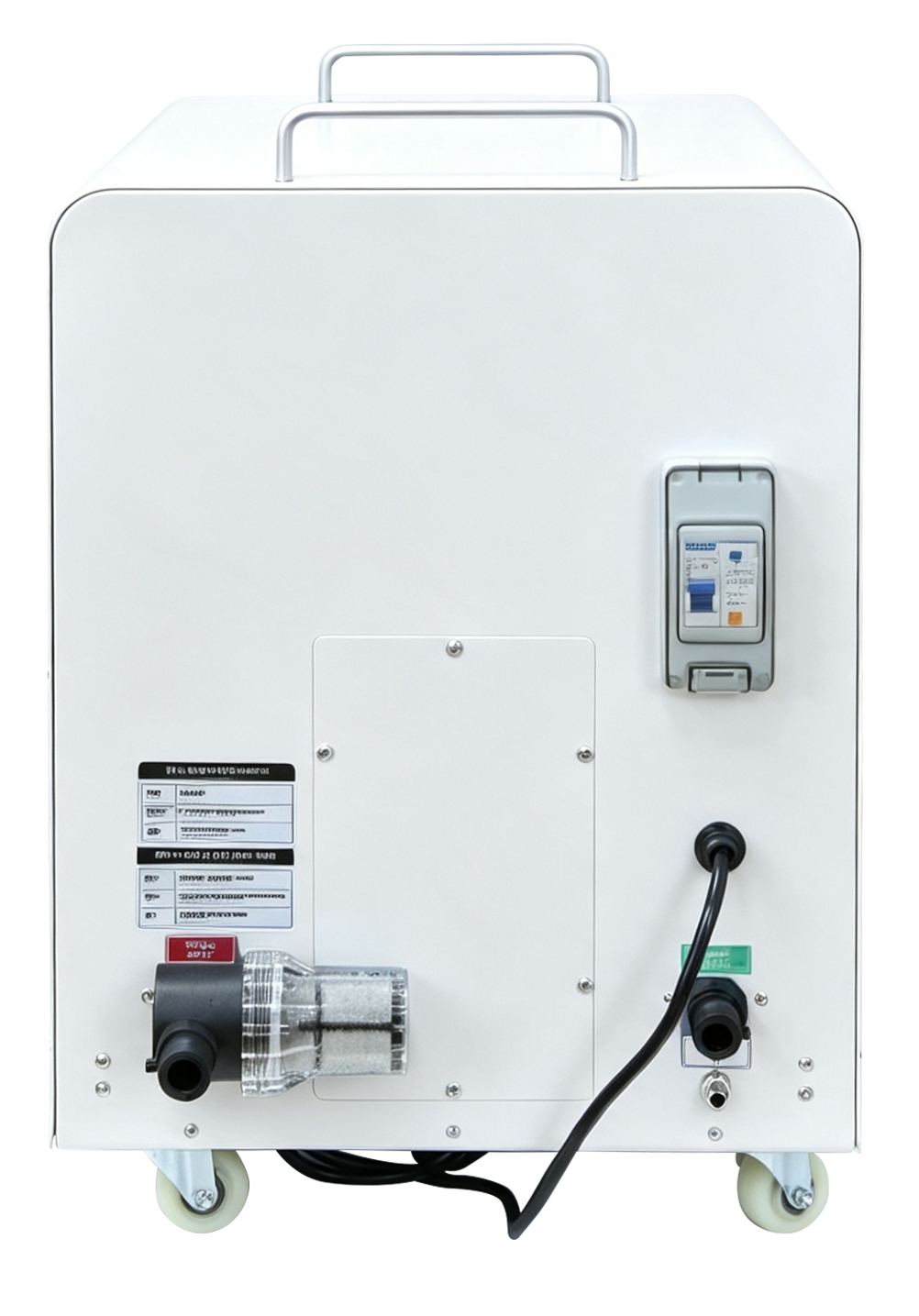
Quality control stands as the backbone of modern manufacturing, particularly in specialized equipment like the cold plunge chiller industry. When B2B buyers invest in production equipment, they expect more than basic functionality; they demand consistency, durability, and reliable performance under demanding operational conditions. Quality control systems ensure that every cold plunge chiller meets strict specifications before reaching the market, protecting both manufacturer reputation and end-user satisfaction.

The production of cold plunge chiller systems involves precision engineering, thermal management, and integration of multiple subsystems. From refrigeration components to water circulation pumps and control electronics, each element must function flawlessly in concert. Without rigorous quality control during production, defects propagate through the supply chain, resulting in costly field failures, warranty claims, and damaged business relationships. For B2B enterprises sourcing industrial cooling equipment, understanding the quality control framework separates reliable manufacturers from inconsistent suppliers.
The Critical Role of Quality Control in Production
Ensuring Performance Specifications
Every cold plunge chiller must deliver precise temperature control, consistent cooling capacity, and reliable operation across extended duty cycles. Quality control protocols during production verify that refrigerant charge levels, compressor displacement, and heat exchanger efficiency match design specifications. Technicians conduct baseline performance testing under controlled laboratory conditions, measuring cooling rate, temperature stability, and power consumption. This data becomes the benchmark against which field performance is evaluated, ensuring that B2B customers receive equipment that performs as promised.
Preventing Manufacturing Defects
Production environments introduce numerous opportunities for defects: improper welding of pressure vessels, loose electrical connections, contaminated refrigerant lines, and assembly errors. Quality control inspection stations catch these issues before units leave the factory. Pressure leak tests confirm system integrity, electrical safety tests verify component grounding and insulation, and visual inspections identify workmanship problems. By implementing statistical process control and automated defect detection, manufacturers reduce scrap rates, rework costs, and the risk of field failures that damage B2B customer confidence.
Safety and Regulatory Compliance
Meeting Industrial Standards
Cold plunge chiller production must comply with international standards including ISO 5149 for refrigerant containment, PED directives for pressure equipment, and electrical safety certifications. Quality control ensures that every unit meets these regulatory requirements before shipment. Documentation trails capture test results, material certifications, and compliance confirmations. For B2B customers operating in regulated industries or global markets, verified compliance reduces liability exposure and simplifies deployment across multiple jurisdictions.
Protecting Equipment Longevity
Rigorous quality control during production extends equipment lifespan and minimizes premature wear. Proper refrigerant charge prevents compressor damage, correct electrical calibration avoids component overload, and precision assembly ensures smooth mechanical operation. When a cold plunge chiller receives comprehensive quality inspection before delivery, B2B users experience fewer maintenance interventions, lower lifetime operating costs, and extended service intervals. This translates directly to improved return on investment for industrial and commercial wellness applications.
Building Trust Through Quality Control in Production
Reducing Total Cost of Ownership
From a B2B perspective, quality control during production represents preventive investment rather than expense. A cold plunge chiller that passes rigorous testing generates fewer warranty claims, requires less technical support, and operates reliably for years. Manufacturers who prioritize quality control earn customer loyalty, reduce customer acquisition costs through referrals, and maintain premium pricing power. B2B purchasers recognize that upfront quality investment reduces downtime, service disruption, and replacement cycles.
Differentiation in Competitive Markets
The cold plunge chiller market increasingly emphasizes quality and reliability as primary purchase criteria. Manufacturers implementing advanced quality control systems distinguish themselves through documented performance data, extended warranties, and verifiable compliance records. B2B customers compare not only price and features but also manufacturer quality reputation, technical support responsiveness, and field reliability metrics. Production quality control directly influences perceived value and competitive positioning.
FAQ
What specific tests are performed during cold plunge chiller quality control in production?
Standard quality control testing includes pressure leak detection, refrigerant charge verification, temperature sensor calibration, compressor functionality assessment, electrical safety testing, and vibration analysis. Some manufacturers add environmental chamber testing to verify performance across temperature extremes, and extended runtime testing to confirm sustained operation under load. Each test generates documentation that supports warranty coverage and regulatory compliance claims.
How does quality control during production impact B2B purchase decisions?
B2B buyers evaluate manufacturer quality control credentials through certifications, documented test protocols, field performance data, and customer references. Manufacturers who transparently share quality control procedures and provide detailed test reports build confidence among industrial customers. For production facilities and commercial wellness centers, evidence of rigorous quality control reduces perceived risk and justifies investment in premium-tier cold plunge chiller solutions that deliver reliable performance.
Can quality control prevent all field failures in cold plunge chiller systems?
While comprehensive quality control significantly reduces manufacturing defects and improves reliability, field failures can still occur due to installation errors, improper maintenance, or extreme operating conditions beyond design parameters. However, quality control catches systemic production problems early, preventing widespread field issues. A well-executed quality control program ensures that the vast majority of cold plunge chiller units reach customers in excellent condition and perform as specified throughout their operational lifetime.
 EN