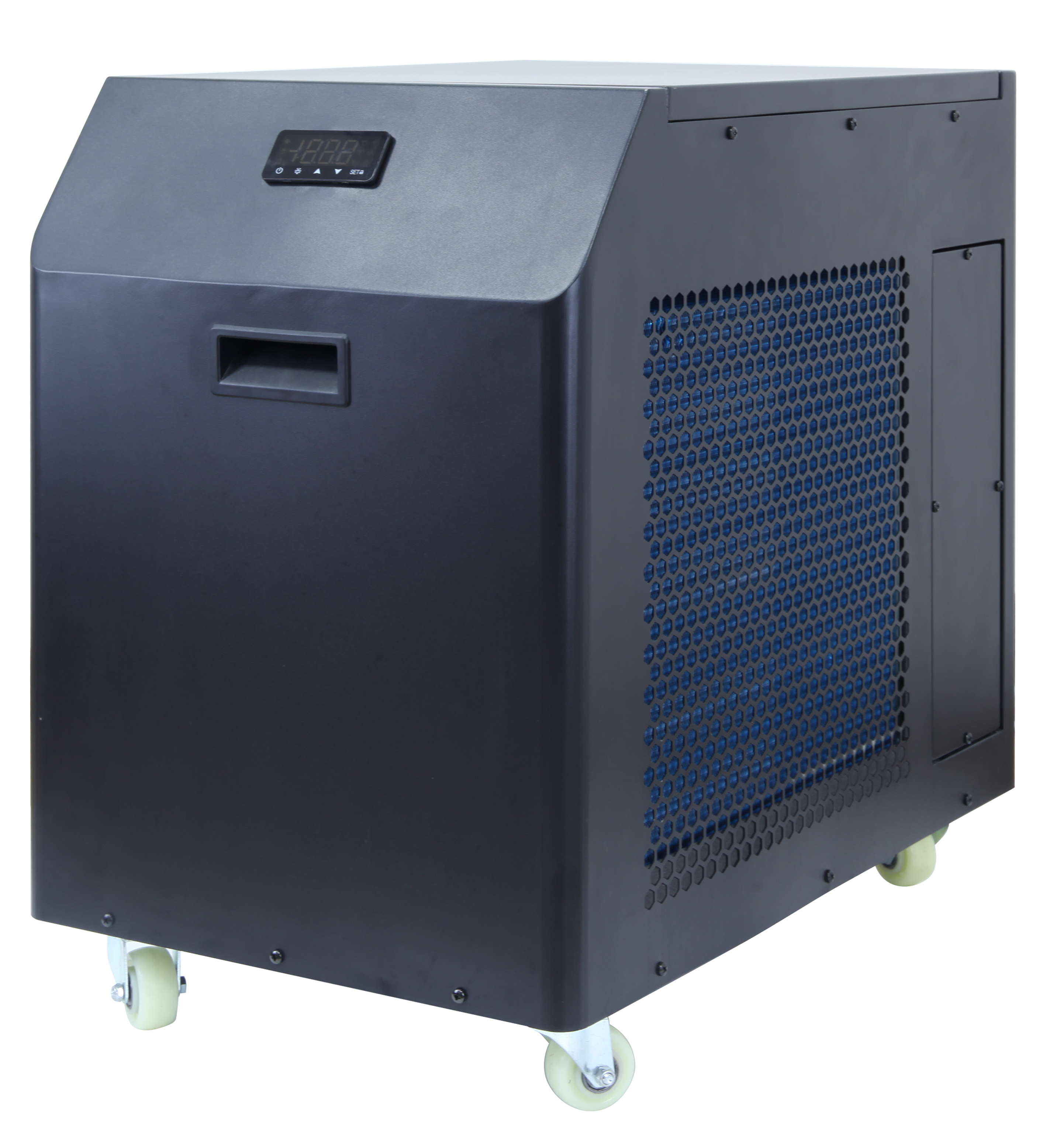
Operational workflow is the backbone of any successful commercial ice bath service, yet many facility managers underestimate its critical role in daily operations. An effective workflow ensures that your ice bath services run smoothly, maintain consistent quality, and deliver the therapeutic benefits that clients expect. Whether you manage a resort, spa, or multi-tub facility, understanding how workflow impacts service delivery, client satisfaction, and operational efficiency is essential to staying competitive in the wellness industry.
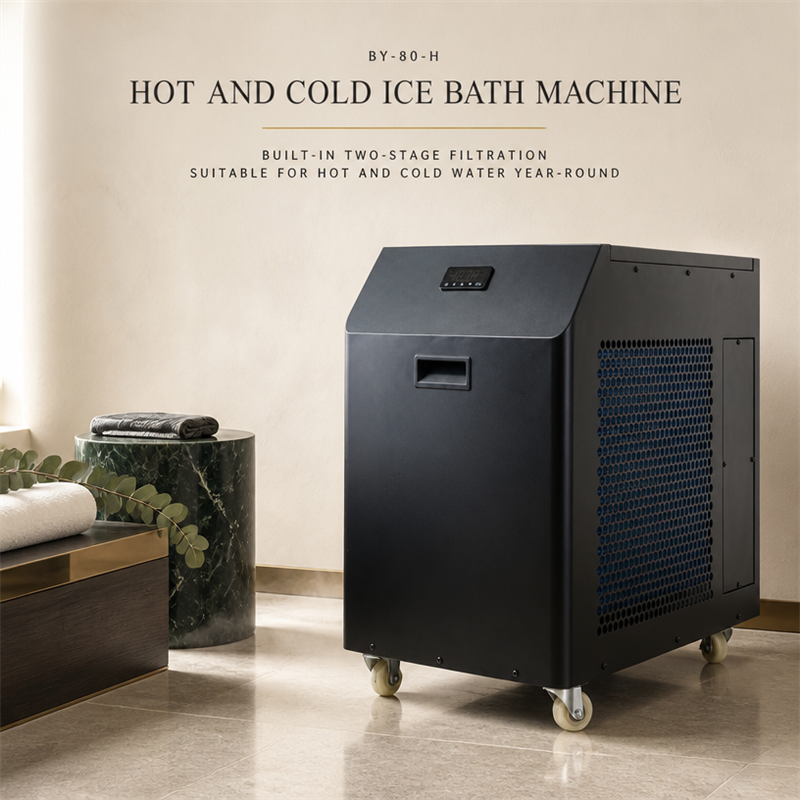
The success of your commercial operation depends on how well your team coordinates equipment maintenance, scheduling, temperature control, and client safety protocols. When workflow is poorly designed, operational bottlenecks emerge, leading to downtime, frustrated clients, and increased costs. A structured workflow in your facility management approach prevents these issues and creates a seamless experience that keeps clients returning and builds long-term revenue stability for your commercial ice bath services.
How Workflow Impacts Equipment Performance and Facility Operations
The operational workflow surrounding your ice bath directly affects equipment performance and longevity. A well-organized workflow ensures that temperature monitoring, water quality testing, and preventive maintenance occur on a consistent schedule, reducing unexpected breakdowns. Each step in your workflow, from startup procedures to shutdown protocols, must be clearly documented and followed by all team members to maintain equipment integrity and client safety.
Temperature Management and Operational Standards
Maintaining precise temperature control is central to any ice bath service. Your workflow must include regular calibration checks, real-time monitoring systems, and documented procedures for responding to temperature deviations. When your commercial operation establishes a reliable workflow for temperature management, clients receive the consistent therapeutic experience they expect. Inconsistent temperatures create client dissatisfaction and damage your facility's reputation, making workflow discipline non-negotiable.
Scheduling and Resource Allocation
An optimized workflow streamlines how your commercial operation allocates staff, equipment access, and cleaning time. Scheduling conflicts, overlapping bookings, and missed maintenance windows occur when workflow lacks structure. By implementing clear scheduling protocols within your operational workflow, you maximize facility utilization while ensuring adequate time for equipment care. This balance directly impacts revenue per hour and client throughput at your facility.
Building Workflow Systems That Enhance Client Experience and Safety
Client safety is paramount in any commercial ice bath service, and workflow systems are the mechanism through which safety standards are implemented consistently. A robust workflow includes health screening procedures, intake documentation, supervision protocols, and emergency response guidelines. When your facility embeds these safety measures into daily operational procedures, you demonstrate professionalism and reduce liability risks. ice bath service excellence relies on the rigor of your underlying workflow infrastructure.
Standard Operating Procedures and Training
Every team member in your commercial operation must understand and follow identical procedures for client check-in, session preparation, monitoring, and post-session care. When workflow documentation is unclear or inconsistent, training becomes ineffective and safety gaps emerge. Your facility's workflow should include detailed training checklists, competency verification, and regular refresher sessions to ensure all staff members deliver the same high standard of service regardless of shift or season.
Hygiene and Facility Maintenance Integration
Workflow in your facility must integrate water sanitation, tub cleaning, and environmental hygiene into daily operations. Clients expect pristine conditions, and regulatory compliance depends on consistent adherence to cleaning protocols. By embedding hygiene checkpoints into your operational workflow, you protect client health and maintain the professional image that justifies premium pricing for your commercial ice bath services.
Measuring Workflow Efficiency and Continuous Improvement
Effective workflow management requires ongoing measurement and refinement. Your commercial operation should track key metrics such as client turnover time, equipment uptime percentage, maintenance response times, and client satisfaction scores. These metrics reveal workflow bottlenecks and opportunities for streamlining your facility operations. By establishing baseline performance data and reviewing it regularly, you can identify whether your workflow adjustments are producing real improvements or creating unintended complications.
Data Collection and Performance Tracking
Implementing a workflow that includes systematic data collection enables informed decision-making for your commercial operation. Track time spent on each operational task, identify peak and off-peak usage patterns, and monitor equipment performance trends. This data reveals which aspects of your workflow are working well and which require attention. A facility that measures workflow performance can justify investments in new equipment or staffing, and optimize scheduling based on real demand patterns rather than assumptions.
Iterative Refinement and Team Feedback
Your commercial operation's workflow should evolve based on frontline feedback from staff members who execute daily procedures. Team members operating the ice bath chiller, managing client interactions, and performing maintenance can identify friction points that data alone may not reveal. Regular team debriefings, anonymous feedback channels, and suggestion systems create a culture where workflow improvements emerge from practical experience. This iterative approach keeps your facility management proactive rather than reactive, staying ahead of operational challenges before they affect client satisfaction.
FAQ
What happens if workflow procedures are not clearly documented in a commercial ice bath facility?
Undocumented or inconsistent workflow leads to variations in service quality, safety compliance gaps, and inefficient resource use. Different team members may perform the same task differently, creating confusion and increasing the risk of errors or accidents. Your commercial operation loses the ability to train new staff effectively, troubleshoot problems systematically, or maintain quality standards across different shifts. Clients notice inconsistencies, and liability exposure increases significantly.
How can a commercial operation improve workflow without disrupting daily ice bath services?
Workflow improvements should be phased in gradually rather than implemented all at once. Start by documenting current procedures, identifying the highest-impact bottlenecks, and piloting changes during slower periods or off-peak hours. Test changes with willing team members who can provide constructive feedback before rolling out changes facility-wide. This approach minimizes disruption while allowing your ice bath service to continue operating smoothly during the transition to an improved workflow.
What role does technology play in optimizing workflow for commercial ice bath operations?
Technology such as automated scheduling systems, real-time temperature monitoring, and digital checklists can significantly enhance your facility's operational workflow. These tools reduce manual tasks, minimize errors, and provide data visibility that supports decision-making. However, technology should support and strengthen your workflow, not replace the importance of clear procedures and team accountability. The best results come from combining reliable technology with a well-designed workflow and trained, engaged staff members who execute procedures consistently.
 EN