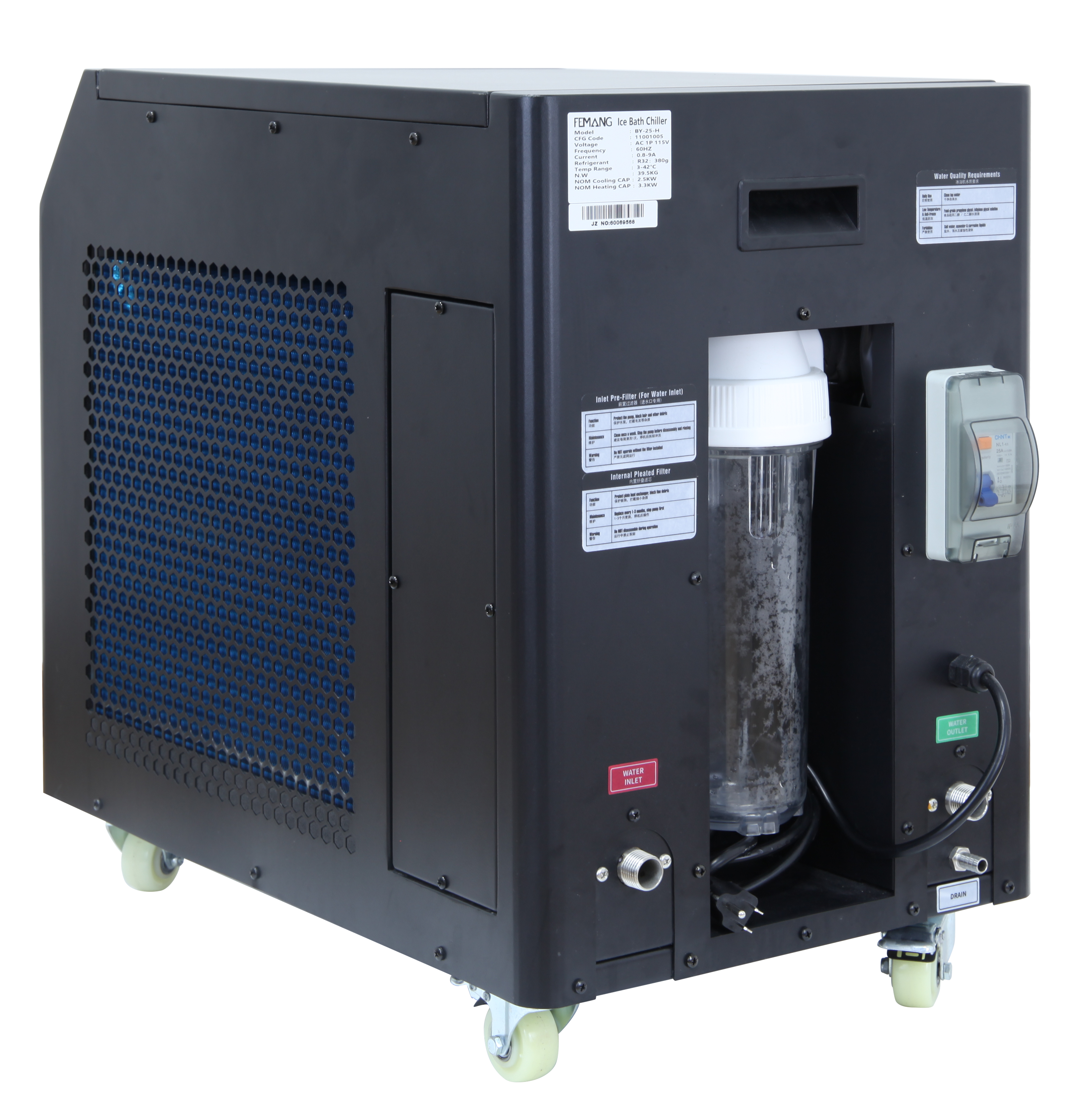
Facility managers often focus on the initial purchase price when investing in an ice bath chiller, viewing it as the primary cost driver for their acquisition decision. However, this approach overlooks the true financial picture, which extends far beyond the sticker price. The purchase price represents only the beginning of your investment journey, while lifecycle cost encompasses every expense you will incur throughout the equipment's operational lifetime. Understanding this distinction can transform how facility leadership evaluates equipment investments and ultimately improve financial outcomes.
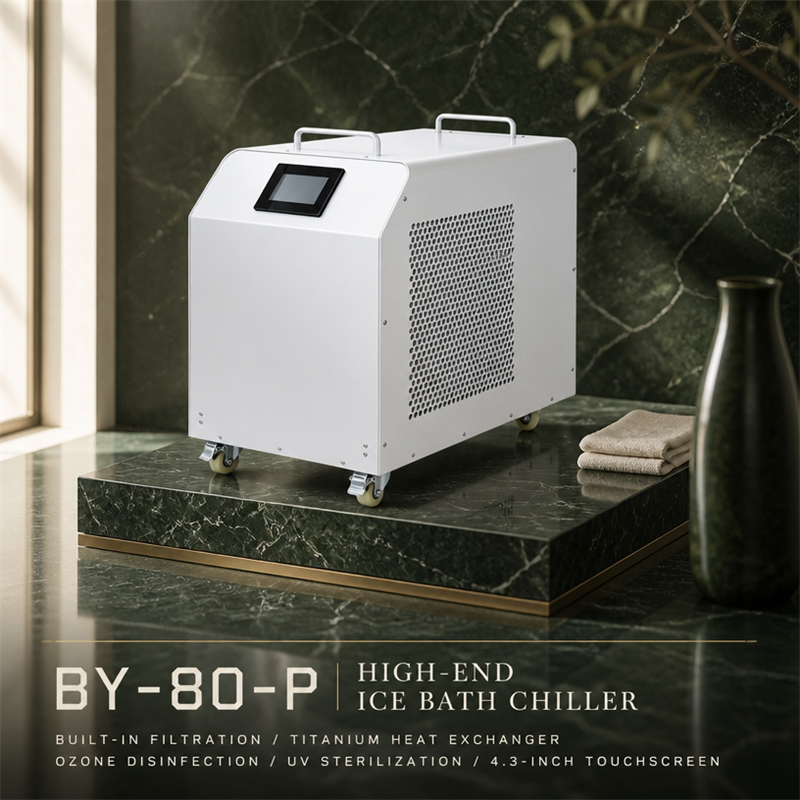
The total value of an ice bath chiller reflects its complete economic impact over time, including energy consumption, maintenance expenses, repair costs, downtime implications, and eventual disposal or resale value. Facilities that anchor their decisions solely to purchase price frequently discover unexpected costs emerging years into operation, eroding profitability and straining budgets. By adopting a lifecycle cost framework, facility decision-makers can make informed choices that balance upfront investment with long-term operational efficiency and true financial performance.
Understanding Lifecycle Cost Beyond Purchase Price
The Hidden Costs of Budget Decisions
Choosing the cheapest ice bath chiller without examining its specifications can be costly. Lower prices may reflect compromises in energy efficiency, component quality, or manufacturing standards, increasing electricity and operating expenses over time. A chiller selected purely on purchase price might operate at 15 to 25 percent lower efficiency than a premium alternative, resulting in thousands of dollars in excess energy costs annually.
Maintenance needs vary by design and build quality. Budget models may require more frequent servicing and replacements, while premium systems can extend service intervals through better materials and refrigeration components. Over ten years, these expenses may outweigh the initial purchase savings.
Quantifying True Total Value
Lifecycle cost calculations should include purchase price, annual energy use, scheduled maintenance, repairs, service labor, and major component replacements. Historical maintenance records and manufacturer cost estimates help improve projections. The total value equation reveals that an ice bath chiller commanding a 20 percent premium at purchase may deliver equivalent or superior economic performance when lifecycle cost analysis is applied.
Energy Efficiency and Operational Economics
Energy Consumption as a Primary Lifecycle Driver
Energy represents the single largest recurring expense in ice bath chiller operation, often comprising 40 to 60 percent of total lifecycle cost depending on facility location and electricity rates. An ice bath chiller operating continuously consumes electricity at substantial rates, and even small differences in efficiency compound into significant expense over years of operation. Modern high-efficiency models achieve coefficient of performance metrics 25 to 35 percent superior to standard equipment, translating directly into lower energy bills and reduced facility carbon footprint. Facilities in regions with elevated electricity rates experience amplified benefits from efficiency investments, as energy savings accumulate more rapidly and payback periods shorten substantially.
Premium chillers may use efficient compressors, refrigerant circuits, and heat exchangers. Budget models may sacrifice efficiency to reduce manufacturing costs. Over ten years, electricity savings can outweigh initial price differences.
Maintenance Cost Structures and Lifecycle Impact
Maintenance expenses follow predictable patterns that facility managers can forecast as part of lifecycle cost modeling. Routine maintenance typically includes refrigerant system inspections, compressor lubrication verification, condenser coil cleaning, and electrical component checks. These scheduled interventions prevent catastrophic failures and extend equipment life when performed consistently. Budget ice bath chiller designs often require more frequent maintenance due to component wear patterns and material limitations, while premium systems engineered for durability permit longer intervals between service visits. Unplanned repairs represent the unpredictable element of lifecycle cost, and equipment reliability significantly influences whether downtime disrupts facility operations and creates additional expense.
Reliability, Downtime, and Facility Impact
Operational Disruption Costs in Facilities
Chiller failures can disrupt athletic recovery, medical, research, and industrial operations. Lifecycle calculations should include downtime, emergency repairs, temporary equipment rental, and lost productivity alongside direct repair expenses. Premium ice bath chiller designs engineered for reliability reduce the probability of catastrophic failures, directly protecting facility revenue and operational continuity.
Build quality and component selection directly influence equipment reliability across the full operational lifecycle. Facilities investing in robust ice bath chiller systems experience fewer emergency repairs, shorter mean-time-between-failures, and extended equipment life compared to budget alternatives. The cumulative impact of reliability differences results in superior total value for premium equipment despite higher initial purchase price, particularly in mission-critical facility applications where downtime creates significant economic impact.
Component Longevity and Replacement Cycles
An ice bath chiller's major components face predictable aging patterns that influence lifecycle cost and total value calculations. Compressors, refrigerant systems, and heat exchange equipment degrade over time, requiring eventual replacement to maintain operational efficiency and reliability. Premium systems constructed with durable materials and advanced engineering often extend component service life by 30 to 50 percent compared to budget alternatives, reducing replacement frequency and associated expenses. Facilities should factor realistic component replacement timelines into their lifecycle cost models, recognizing that premium equipment typically delivers more economical long-term performance through extended component longevity.
Strategic Decision Framework for Ice Bath Chiller Investment
Evaluating Lifecycle Cost in Capital Planning
Facility leadership should adopt systematic approaches to ice bath chiller evaluation that emphasize lifecycle cost rather than limiting analysis to purchase price comparisons. Request detailed operating cost projections from multiple manufacturers, including energy consumption estimates, recommended maintenance schedules, and projected component replacement intervals. Compare total cost of ownership across equipment options using consistent time horizons, electricity rate assumptions, and maintenance cost estimates. This structured approach reveals which ice bath chiller truly delivers superior total value for your facility's specific operational context and financial parameters.
Purchase price represents the smallest financial component in many equipment lifecycle decisions, particularly for energy-intensive systems operating continuously. By shifting evaluation focus from acquisition cost to comprehensive lifecycle cost analysis, facility managers make strategic investments that optimize financial performance across entire operational lifecycles. The apparent premium associated with higher-quality ice bath chiller equipment frequently becomes cost-justified when lifecycle cost frameworks replace pure purchase price comparisons as the primary decision criterion.
Building Long-Term Facility Value
Lifecycle cost analysis helps facilities reduce energy expenses, avoid disruptions, and extend equipment service life. These benefits preserve budgets and protect operations, making total ownership cost more useful than purchase price alone.
FAQ
How much does lifecycle cost typically exceed purchase price for ice bath chillers?
Lifecycle cost for ice bath chiller systems typically ranges from five to ten times the initial purchase price when calculated across ten-year operational horizons. Energy consumption, maintenance, and repairs accumulate substantial expenses that dramatically exceed the original equipment cost. In facilities with high electricity rates or continuous operation requirements, lifecycle cost can reach fifteen times the purchase price, making energy efficiency and reliability critically important factors in equipment selection decisions.
What specific factors should I include in lifecycle cost calculations for ice bath chillers?
Comprehensive lifecycle cost models should include purchase price, installation expenses, average annual energy consumption at local electricity rates, routine maintenance costs, anticipated repair expenses based on historical data, major component replacement costs and timing, labor for service calls, and potential salvage value at end of life. Many facilities also incorporate risk factors accounting for unplanned downtime impacts or emergency repair premiums. Obtaining detailed operating cost projections from manufacturers significantly improves calculation accuracy and decision quality.
How can facility managers reduce total lifecycle cost for ice bath chillers?
Facilities reduce lifecycle cost through multiple strategies including selecting energy-efficient models engineered for operational economy, implementing rigorous preventive maintenance programs that extend component life and prevent failures, monitoring system performance to identify efficiency degradation early, training staff on proper operation protocols, and selecting equipment designed for the specific facility application rather than purchasing oversized or inadequate systems. Investing in slightly higher-cost equipment offering superior efficiency and reliability frequently delivers the most dramatic lifecycle cost reduction compared to optimizing facility operations alone.
 EN