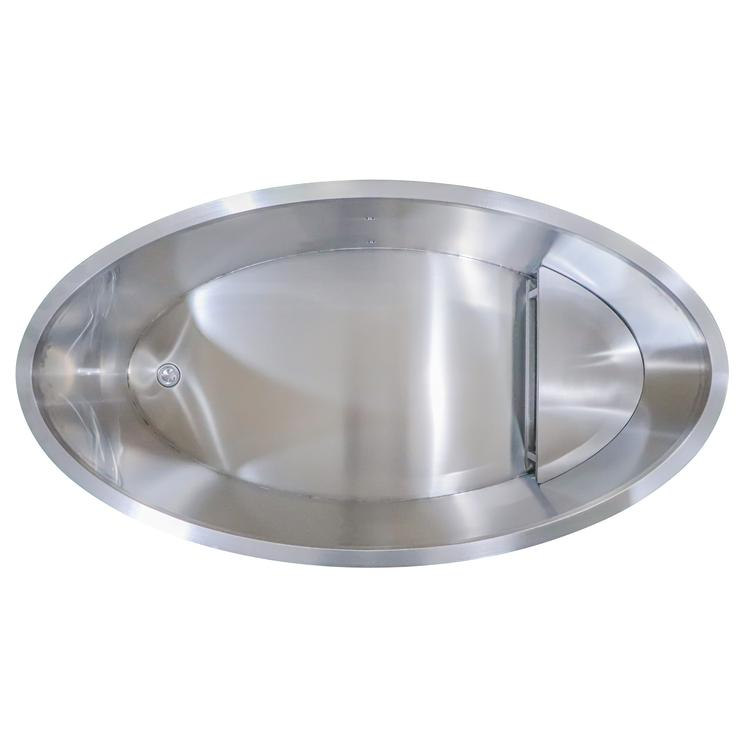
Many facility managers and procurement professionals make a critical mistake: they purchase a stainless steel bathtub without considering installation requirements first. This approach often leads to costly delays, project overruns, and operational disruptions. The reality is that installation planning must start before procurement to ensure smooth execution and optimal facility performance. By understanding the interplay between your space, infrastructure, and equipment specifications, you can avoid expensive retrofitting and ensure the bathtub meets your facility's actual needs.
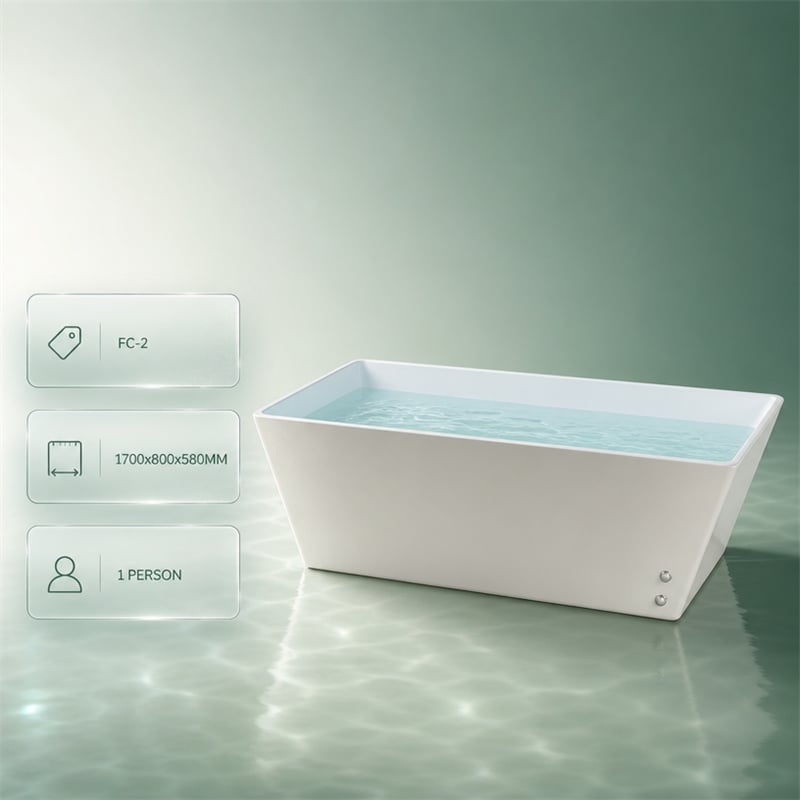
Installation planning encompasses site assessment, infrastructure evaluation, utility requirements, and space constraints that directly influence procurement decisions. When installation planning is conducted upfront, it becomes the foundation for successful facility integration. This proactive approach reduces risk, improves budget accuracy, and ensures that your facility procurement aligns with actual operational capacity and compliance standards.
Understanding Why Installation Planning Comes First
The Cost Impact of Skipping Planning
Purchasing a stainless steel bathtub without installation planning often results in hidden costs that exceed the original equipment price. Facility managers may discover that plumbing modifications, electrical upgrades, structural reinforcement, or drainage system enhancements are necessary after purchase. These post-procurement changes force expensive rework, extend project timelines, and disrupt facility operations. Installation planning identifies these requirements upfront, allowing accurate budget allocation and vendor coordination before any equipment arrives on-site.
Alignment Between Facility Requirements and Equipment Specs
Your facility has unique characteristics that define the specifications of any bathtub you procure. Installation planning evaluates floor load capacity, water supply pressure, drainage infrastructure, ventilation systems, and electrical access. A stainless steel bathtub must match these existing conditions, not force your facility to accommodate the equipment. This alignment ensures the bathtub performs as intended, extends equipment lifespan, and maintains facility safety and compliance standards.
Key Aspects of Pre-Procurement Installation Planning
Site Assessment and Space Verification
Installation planning begins with detailed site assessment to verify available space, floor dimensions, doorway widths, and ceiling heights. A stainless steel bathtub requires adequate clearance for installation, maintenance, and future replacement. Your facility planning should confirm that the chosen model fits through corridors, elevators, and doorways during delivery. Space assessment also identifies whether floor reinforcement is needed to support the bathtub's weight when filled with water and users. This facility evaluation prevents procurement delays when equipment arrives and cannot physically access the designated installation area.
Utility Infrastructure Requirements
Water supply, drainage, and electrical systems must be evaluated before procurement to ensure compatibility with your stainless steel bathtub selection. Installation planning identifies existing pressure ratings, pipe diameters, drain configurations, and electrical capacity. Some bathtub models require specific water temperatures, flow rates, or pressure ranges that your facility may not currently support. Facility infrastructure assessment determines whether upgrades are necessary and whether they are economically viable before you commit to procurement. This prevents scenarios where a high-performance bathtub cannot operate effectively due to inadequate facility utilities.
Compliance and Safety Considerations
Installation planning ensures your facility procurement complies with local building codes, health regulations, accessibility standards, and safety requirements. Different jurisdictions have specific mandates for bathtub installation, user safety, drainage capacity, and water temperature controls. Your installation planning should verify these requirements early to confirm that your chosen stainless steel bathtub model meets all regulatory standards. This proactive approach prevents costly compliance failures post-installation and protects your facility from regulatory penalties or safety liabilities.
Integration of Planning Into the Procurement Process
Creating a Comprehensive Pre-Procurement Checklist
Effective installation planning produces a detailed checklist that drives procurement specifications and vendor selection. This checklist documents facility dimensions, utility requirements, load capacities, compliance standards, timeline constraints, and budget parameters. Each item on the installation planning checklist becomes a procurement requirement that vendors must satisfy. A comprehensive approach ensures that your facility procurement decision is data-driven, not assumption-based. This checklist also serves as a quality control tool, confirming that delivered equipment matches pre-verified facility conditions and performance requirements.
Vendor Coordination and Site Preparation
Installation planning enables coordination between your procurement team and installation vendors before contracts are finalized. Vendors can provide expert input on facility modifications, equipment delivery logistics, and installation sequencing. Early coordination identifies potential conflicts and allows your facility team to schedule necessary preparatory work before equipment arrival. Site preparation activities—such as plumbing modifications, electrical upgrades, or floor reinforcement—can begin during the procurement lead time rather than after delivery. This parallel workflow accelerates overall project completion and reduces facility operational disruption.
FAQ
Why should facility installation planning start before I procure a stainless steel bathtub?
Installation planning conducted before procurement prevents costly surprises, budget overruns, and timeline delays. It verifies that your facility infrastructure can support the selected equipment, ensures regulatory compliance, and identifies necessary modifications early. This approach eliminates post-purchase retrofitting, coordinates vendor activities efficiently, and ensures seamless facility integration.
What specific facility aspects should I evaluate during installation planning?
Your installation planning should assess space dimensions and clearance, water supply pressure and capacity, drainage system compatibility, electrical availability and capacity, floor load capacity, compliance requirements, ventilation adequacy, and accessibility standards. These facility evaluations directly determine which stainless steel bathtub models are suitable for procurement and what infrastructure modifications may be necessary before installation.
How does installation planning affect my overall procurement budget and timeline?
Installation planning improves budget accuracy by identifying all costs upfront, including facility modifications and infrastructure upgrades. It enables parallel workflows where site preparation occurs during procurement lead times, reducing overall project duration. This comprehensive planning prevents emergency expenditures, vendor delays, and facility disruptions that would occur if installation requirements were discovered after equipment delivery.
 EN