Installation planning stands as one of the most overlooked yet critical phases in any ice bath tub project. Many facilities rush into purchasing and deploying cold plunge equipment without adequately preparing their environment, leading to costly delays, suboptimal performance, and frustrated teams. The difference between a successful ice bath tub deployment and a problematic one often comes down to how thoroughly the installation planning process was executed before the equipment ever arrives at your facility.
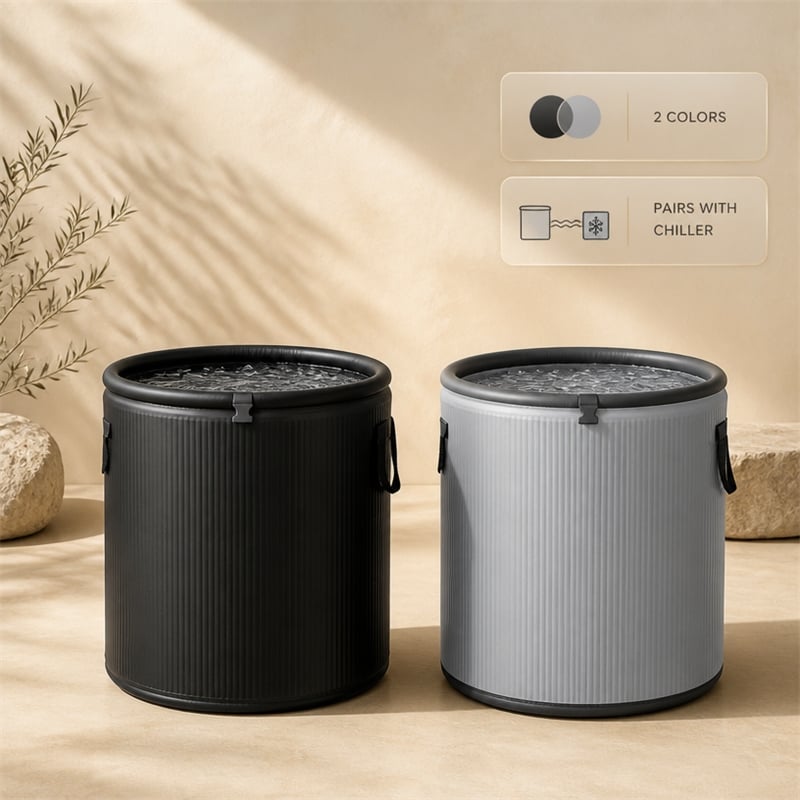
Understanding the scope of your ice bath tub project requires examining multiple interconnected factors: electrical infrastructure, water supply systems, drainage capacity, space constraints, climate control, and long-term operational needs. Each element demands attention during the planning phase, not after installation begins. The installation planning process transforms what could be a chaotic equipment rollout into a coordinated, efficient deployment that sets the foundation for reliable performance and user satisfaction.
Assessing Your Facility Requirements
Space and Environmental Conditions
Your facility must provide adequate space for the ice bath tub, surrounding clearance, and operational access. Installation planning begins by measuring the exact location where the unit will be positioned, accounting for service pathways, viewing areas, and emergency egress routes. Beyond dimensions, the installation planning process requires evaluating environmental conditions including ambient temperature ranges, humidity levels, and ventilation capacity. These factors directly impact the efficiency of chiller systems and the longevity of the ice bath tub components.
Infrastructure and Utility Connections
Every ice bath tub project depends on robust electrical, water, and drainage infrastructure. Installation planning must confirm that your facility can supply the required electrical capacity, typically three-phase power for larger units, without overloading existing circuits. Water supply requirements vary by model, but installation planning should document gallons-per-minute availability, water quality parameters, and whether filtration upgrades are necessary. Drainage specifications are equally important—most ice bath tub installations require adequate floor drainage or sump capabilities to handle both routine water changes and emergency discharge scenarios.
Coordinating Project Timelines and Resources
Pre-Installation Preparation Activities
Installation planning extends weeks before the ice bath tub arrives at your facility. This phase includes construction work such as electrical upgrades, plumbing modifications, flooring preparation, and environmental controls setup. Skilled technicians must inspect the final installation site, test all utility connections, and verify that the facility meets manufacturer specifications. Scheduling these activities requires careful project management to prevent bottlenecks, conflicts with existing operations, and unexpected costs. A detailed installation planning timeline prevents crews from sitting idle while waiting for prerequisite work to complete.
Stakeholder Communication and Training Readiness
Installation planning must account for internal stakeholder communication, equipment training schedules, and operational protocols before the ice bath tub becomes active. Facilities managers, maintenance staff, athletes, coaches, and medical personnel all require clear understanding of operational procedures, safety guidelines, and troubleshooting protocols. Installation planning should include dedicated time for hands-on training sessions with authorized personnel before the equipment is released for general use. This coordinated approach ensures that your facility is not only physically prepared but also operationally and procedurally ready for deployment.
Risk Mitigation and Performance Optimization
Identifying Potential Complications Early
Effective installation planning identifies complications before they become expensive problems during the actual ice bath tub deployment. Common issues such as inadequate electrical supply, water pressure inconsistencies, unexpected floor loading constraints, or HVAC conflicts are discovered during the planning phase through site surveys and utility assessments. When installation planning is thorough, contingency measures can be implemented, budgets can be adjusted, and timelines can be realistic. Without this foresight, an ice bath tub project can experience unexpected shutdowns, equipment failures, or incomplete functionality shortly after commissioning.
Establishing Long-Term Performance Benchmarks
Installation planning for an ice bath tub extends beyond the initial setup—it establishes baseline performance metrics, maintenance schedules, and operational parameters that support long-term reliability. Pre-installation documentation of facility conditions, utility performance, and environmental baselines creates a reference point for troubleshooting and optimization. This forward-looking installation planning ensures that your facility can systematically monitor performance over time, identify degradation trends, and implement preventive maintenance before users experience service interruptions or temperature control failures.
FAQ
What specific facility requirements must I assess before purchasing an ice bath tub?
Before purchasing, your facility must verify electrical capacity (typically 20–30 amps for standard units), water supply (minimum 5–10 gallons per minute), adequate drainage, sufficient space with clearance around the unit, proper ventilation to manage humidity, and compliance with local building codes. Installation planning should include a professional site survey that documents these specifications and identifies any necessary upgrades.
How long should the installation planning process take for an ice bath tub project?
Installation planning typically requires 4–8 weeks depending on facility complexity. Simple installations with adequate existing infrastructure may complete faster, while projects requiring electrical upgrades, plumbing modifications, or environmental control installations need extended timelines. A detailed project schedule developed during installation planning prevents rushed work and ensures all preparatory steps are completed before the ice bath tub arrives.
What happens if installation planning is skipped or done poorly?
Poor installation planning frequently results in delayed deployment, unexpected infrastructure upgrades during installation, performance issues after commissioning, equipment damage from incompatible utility conditions, and frustrated stakeholders. An ice bath tub project without adequate installation planning often experiences cost overruns, extended downtime, and suboptimal operational performance that could have been prevented through proper preparation.
 EN