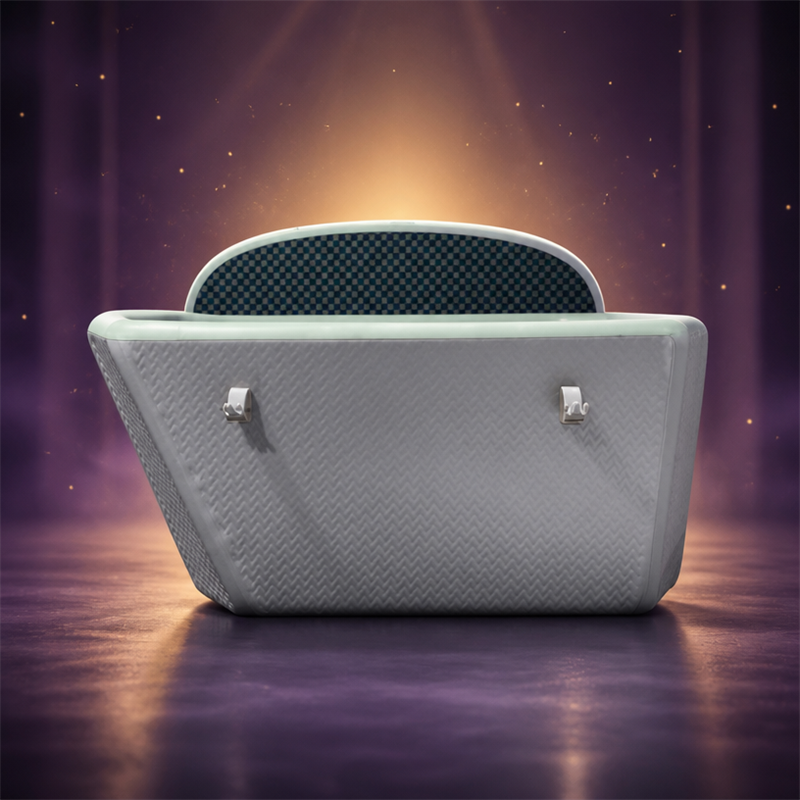
The success of commercial spa and wellness facilities increasingly depends on one fundamental factor: the quality and thoughtfulness of your ice bath tub design. Commercial operators managing resorts, athletic facilities, or multi-tub installations face mounting pressure to deliver consistent, reliable cold water immersion experiences while maintaining operational efficiency and safety compliance. The difference between a well-designed ice bath tub system and a poorly conceived one can determine whether clients return or seek competitors elsewhere.
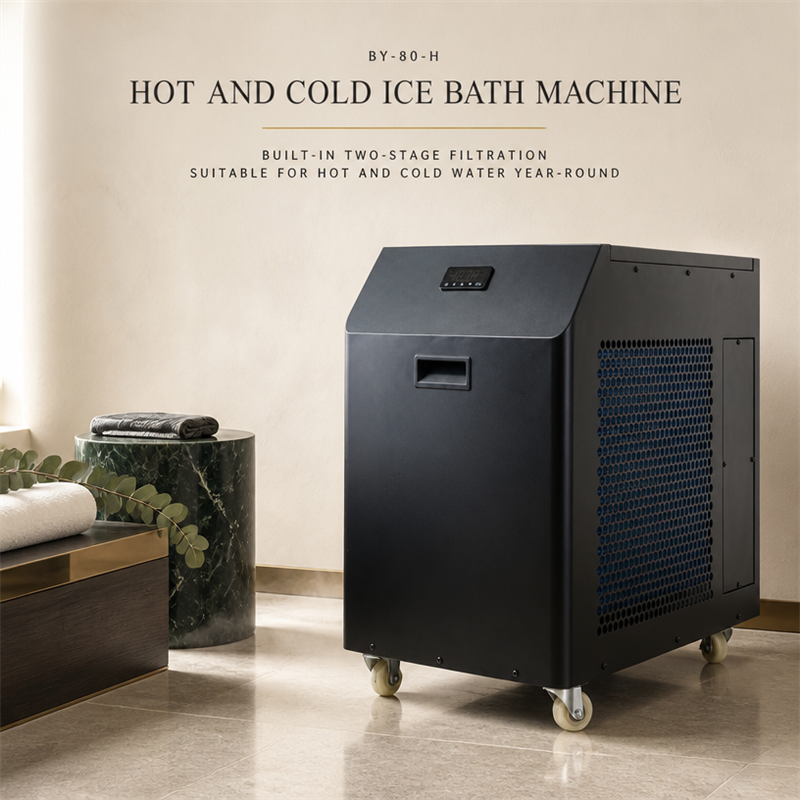
Every element of ice bath tub product design directly influences your commercial operation's daily workflow, client satisfaction, and long-term profitability. From water circulation and temperature precision to aesthetic appeal and accessibility, intentional design choices shape the entire user experience. Understanding why these design considerations matter helps operators make informed investment decisions and maximize their return on capital equipment purchases.
Product Design Fundamentals in Commercial Ice Bath Systems
Temperature Control and Consistency
Effective product design in commercial ice bath tubs begins with reliable temperature management. Clients expect consistent water temperatures between 45 and 60 degrees Fahrenheit during each session, regardless of ambient conditions or usage frequency. A properly engineered ice bath tub maintains this precision through advanced chilling systems, insulation strategies, and digital monitoring interfaces. Poor design in this area leads to frustrated customers, shortened session durations, and reduced facility utilization rates.
Commercial operators understand that temperature fluctuations damage the perceived value of their service offering. An ice bath tub featuring inadequate insulation or undersized cooling capacity will struggle during peak usage hours, forcing operators to either reduce client volume or accept compromised water temperatures. This directly impacts the user experience and creates operational bottlenecks that erode business margins.
Durability and Material Selection
The materials chosen for ice bath tub construction determine how long your equipment functions reliably and cost-effectively. Commercial-grade stainless steel, reinforced fiberglass, and specialized acrylic formulations each offer different advantages in terms of longevity, aesthetic appeal, and maintenance requirements. Poor product design often relies on compromised materials that corrode quickly, develop structural weaknesses, or require frequent repairs that disrupt commercial operation scheduling.
Durable ice bath tub design incorporates protective finishes, corrosion-resistant components, and materials specifically selected to withstand constant exposure to chlorinated water, regular cleaning cycles, and temperature extremes. When operators invest in poorly designed tubs, they face escalating maintenance costs, unexpected downtime, and premature replacement cycles that significantly increase total cost of ownership across their commercial operation.
User Experience as a Core Design Priority
Accessibility and Comfort Features
The user experience of an ice bath tub extends far beyond water temperature into ergonomic design, entry and exit accessibility, and safety features that protect clients during their immersion sessions. Commercial operators serving diverse client populations—including athletes, elderly wellness seekers, and rehabilitation patients—need ice bath tub designs that accommodate varying mobility levels and physical requirements. Poorly designed systems create barriers to usage, potential liability exposure, and reduced customer satisfaction.
Thoughtful product design incorporates handrails positioned at ergonomic heights, non-slip surfaces with adequate traction, gradual entry steps or ramps, and comfortable seating configurations that reduce entry strain. An ice bath tub designed without these considerations places clients at increased injury risk while simultaneously limiting your addressable market to only the most physically capable customers. This design oversight directly reduces revenue potential for commercial operations.
Client Perception and Facility Aesthetics
First impressions matter significantly in commercial wellness settings where clients choose between competing facilities. Ice bath tub product design influences whether your facility appears modern, well-maintained, and professionally operated or outdated and neglectful. An aesthetically appealing ice bath tub with polished finishes, clean lines, and integrated ambient lighting enhances the perceived value of your user experience and justifies premium pricing in commercial markets.
Conversely, poorly designed ice bath tub systems that appear institutional, deteriorated, or uncomfortable actively deter new clients and encourage existing customers to explore alternative facilities. The visual and tactile impression created during the first five minutes of a client's visit heavily influences their likelihood of returning. Product design directly shapes this critical perception, making aesthetic considerations inseparable from business performance metrics.
Operational Efficiency and Commercial Sustainability
Energy Consumption and Operating Costs
Commercial operators must carefully evaluate how ice bath tub product design impacts ongoing energy expenditure and operational sustainability. An inefficiently designed system with poor insulation, oversized compressors, or inadequate thermal management requires substantially more electricity than optimized alternatives. For facilities operating multiple ice bath tubs throughout extended hours, these energy inefficiencies compound into significant monthly utility costs that directly reduce operational profitability.
Superior ice bath tub design minimizes energy waste through superior insulation materials, variable-speed compressor systems, and smart scheduling capabilities that reduce cooling during low-usage periods. Commercial operations selecting well-designed ice bath tub systems typically achieve 30 to 40 percent energy savings compared to poorly optimized alternatives, representing substantial competitive advantages in facilities with thin operating margins.
Maintenance Requirements and Downtime Management
The internal architecture and component selection in ice bath tub product design directly determines maintenance frequency and severity of required repairs. Systems designed with easily accessible filtration components, modular construction, and standardized parts reduce maintenance time and associated labor costs. Poor product design incorporates complex, non-modular systems where simple maintenance tasks require extended downtime or expensive specialized technician visits.
Commercial operators running continuous-use facilities cannot tolerate frequent equipment failures or extended maintenance windows. Well-designed ice bath tub systems incorporate redundancy, remote monitoring capabilities, and preventive maintenance protocols that keep equipment operational and minimize unexpected closures. This operational reliability directly translates to consistent revenue generation and enhanced client satisfaction, making product design a critical business consideration for commercial operation success.
FAQ
How does ice bath tub design impact water quality maintenance?
Quality ice bath tub product design incorporates advanced filtration systems, circulation patterns that minimize dead zones, and chemical treatment compatibility that simplifies water quality management. Superior user experience requires consistent water clarity, balanced pH levels, and sanitary conditions that only occur with thoughtfully engineered systems. Poor design creates stagnant areas, uneven chemical distribution, and accelerated bacterial growth that compromise commercial operation hygiene standards and client health.
What product design features should commercial operators prioritize when selecting an ice bath tub?
Commercial operators should evaluate insulation thickness and material quality, compressor size and energy efficiency ratings, component accessibility for maintenance, aesthetic finishes appropriate for premium facility settings, and safety features including handrails and non-slip surfaces. These product design elements collectively determine long-term operational success, user experience quality, and financial performance. Requesting detailed specifications for each category helps operators compare alternatives and make informed investment decisions aligned with their commercial operation goals.
How can ice bath tub design affect client retention in commercial wellness facilities?
The user experience created by ice bath tub product design directly influences whether clients perceive value and return for repeat visits. Consistent temperature control, comfortable access, safe immersion conditions, and visually appealing aesthetics all contribute to positive client perceptions. Facilities with poorly designed systems experience lower client retention rates, negative reviews, and reduced referral activity. Commercial operations investing in superior ice bath tub design typically achieve 25 to 35 percent higher client satisfaction scores and significantly improved lifetime customer value metrics.
 EN