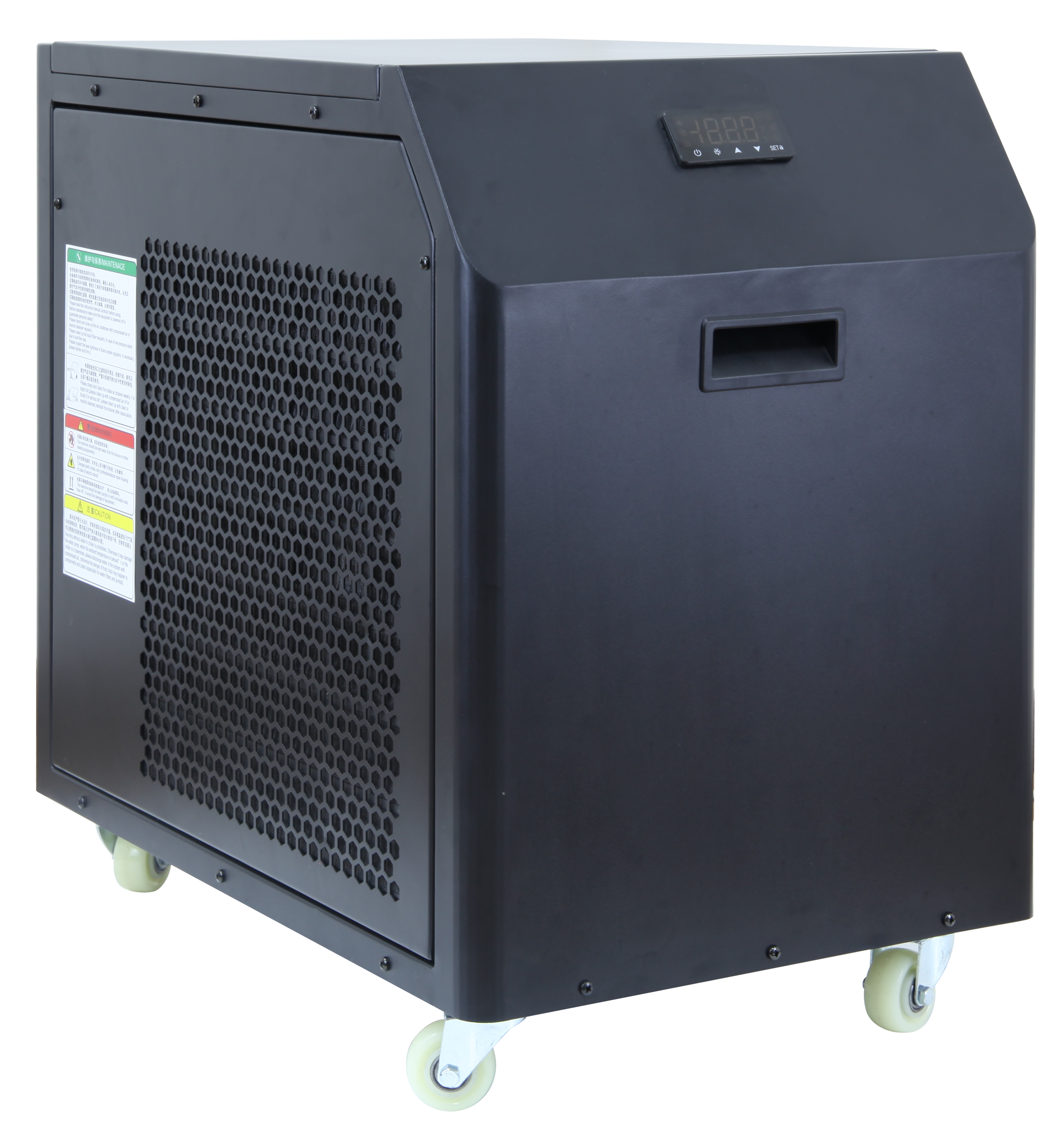
An ice bath chiller system represents a significant investment in recovery technology, but its performance and lifespan depend entirely on one often-overlooked element: filtration. Without proper filtration, even the most advanced ice bath chiller will accumulate debris, experience reduced cooling efficiency, and face costly repairs. Understanding why filtration matters is essential for anyone operating or considering this wellness equipment.
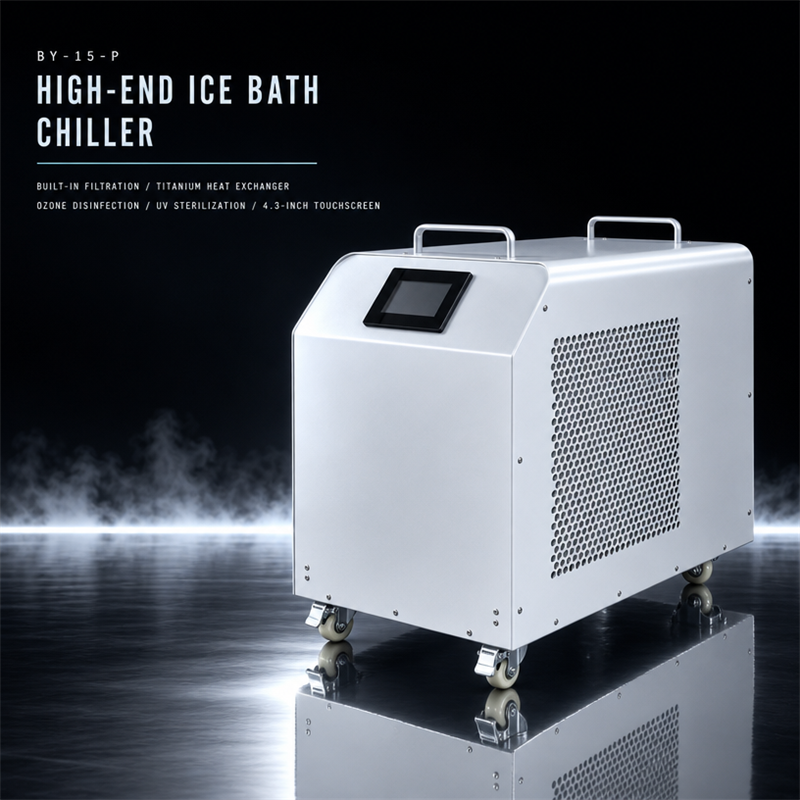
The health and efficiency of your ice bath chiller depends directly on water quality. When filtration fails, contaminants accumulate, compromising both system performance and user safety. Proper filtration protects your investment while ensuring consistent, reliable operation year after year.
The Role of Filtration in System Performance
Preventing Debris Accumulation
Filtration removes particles, dust, and organic matter that enter the water over time. Without effective filtration, these contaminants settle on heat exchanger surfaces, reducing thermal transfer efficiency. Your ice bath chiller works harder, consuming more energy and struggling to maintain target temperatures. Sediment buildup also narrows water passages, restricting flow and creating pressure imbalances throughout the cooling circuit. Regular filtration keeps water pathways clear and ensures your chiller operates at peak performance.
Extending Equipment Lifespan
Contaminated water accelerates wear on internal components. Pump bearings, valves, and heat exchanger tubes degrade faster when exposed to particulates and microorganisms. Proper filtration minimizes this wear, protecting critical components and preventing premature failure. An ice bath chiller with consistent filtration maintenance can operate reliably for years longer than one without adequate water treatment. The cost of regular filter replacement is negligible compared to component repairs or full system replacement.
Water Quality Standards for Ice Bath Chillers
Understanding Contamination Types
Water quality deteriorates through multiple pathways. Mechanical debris enters from external sources, mineral deposits accumulate through evaporation, and biological growth occurs in stagnant or warm zones. Algae, bacteria, and biofilm thrive in cooling systems, creating unpleasant odors and reducing water clarity. Filtration addresses mechanical debris directly, while advanced filtration methods target biological contamination. Maintaining optimal water quality requires understanding these contamination sources and selecting appropriate filtration strategies for your specific environment.
Measuring and Monitoring Water Conditions
Your ice bath chiller performs best when water meets specific quality standards. Clarity, pH balance, and microbial load all affect system function. Regular water testing identifies problems before they impact performance. Turbidity measurement reveals particle concentration, while microbial testing detects biological growth. Temperature consistency also indicates whether filtration is working effectively, as contaminated water often shows unstable temperature control. Establishing a monitoring routine ensures your filtration system maintains water quality within optimal ranges.
Maintenance Practices for Long-Term System Health
Filter Replacement and Cleaning Schedules
Filtration effectiveness depends on regular maintenance. Most ice bath chiller systems benefit from monthly filter inspections and seasonal replacements, though frequency depends on water conditions and usage intensity. A clogged filter restricts flow and forces the system to work inefficiently, defeating the purpose of having filtration installed. Documenting filter replacement dates helps establish patterns for your specific environment. Some advanced systems include visual indicators that signal when filters need attention, simplifying maintenance oversight.
Integrated Water Treatment Solutions
Modern ice bath chiller design often incorporates multiple filtration layers alongside complementary systems. UV sterilization eliminates bacteria and algae without chemicals, while ozone treatment breaks down organic compounds. These technologies work synergistically with mechanical filtration to maintain superior water quality. When combined, mechanical filtration, UV treatment, and ozone create a comprehensive approach to keeping your ice bath chiller operating safely and efficiently. Regular maintenance of these integrated systems ensures each component performs optimally and extends overall equipment reliability.
FAQ
How often should I replace the filtration system in my ice bath chiller?
Filter replacement frequency depends on water quality, usage intensity, and environmental conditions. Most manufacturers recommend checking filters monthly and replacing them seasonally or when visual inspection shows significant debris accumulation. If your ice bath chiller sits in a dusty environment or sees heavy use, filters may need replacement every 4-6 weeks. Refer to your equipment manual for specific guidance, and adjust maintenance schedules based on actual water conditions and system performance.
Can poor water quality damage my ice bath chiller permanently?
Yes, neglected water quality can cause permanent damage to your ice bath chiller components. Corrosion from mineral deposits, microorganism-induced biofilm, and sediment scratching on moving parts all create irreversible wear. While regular filtration and maintenance can prevent most damage, severely contaminated systems may require component replacement. Investing in proper filtration from the start is far more cost-effective than repairing or replacing a chiller damaged by poor water quality.
What type of filtration is best for my ice bath chiller?
The ideal filtration approach combines mechanical filtration with additional water treatment methods suited to your specific needs. Mechanical filters remove particles, while UV sterilization and ozone treatment address biological contamination. Your ice bath chiller manufacturer provides recommended filtration specifications based on system design. Consider your environment's dust levels, climate conditions, and usage patterns when selecting filtration components. Professional consultation can help determine the most effective filtration strategy for your particular installation.
 EN