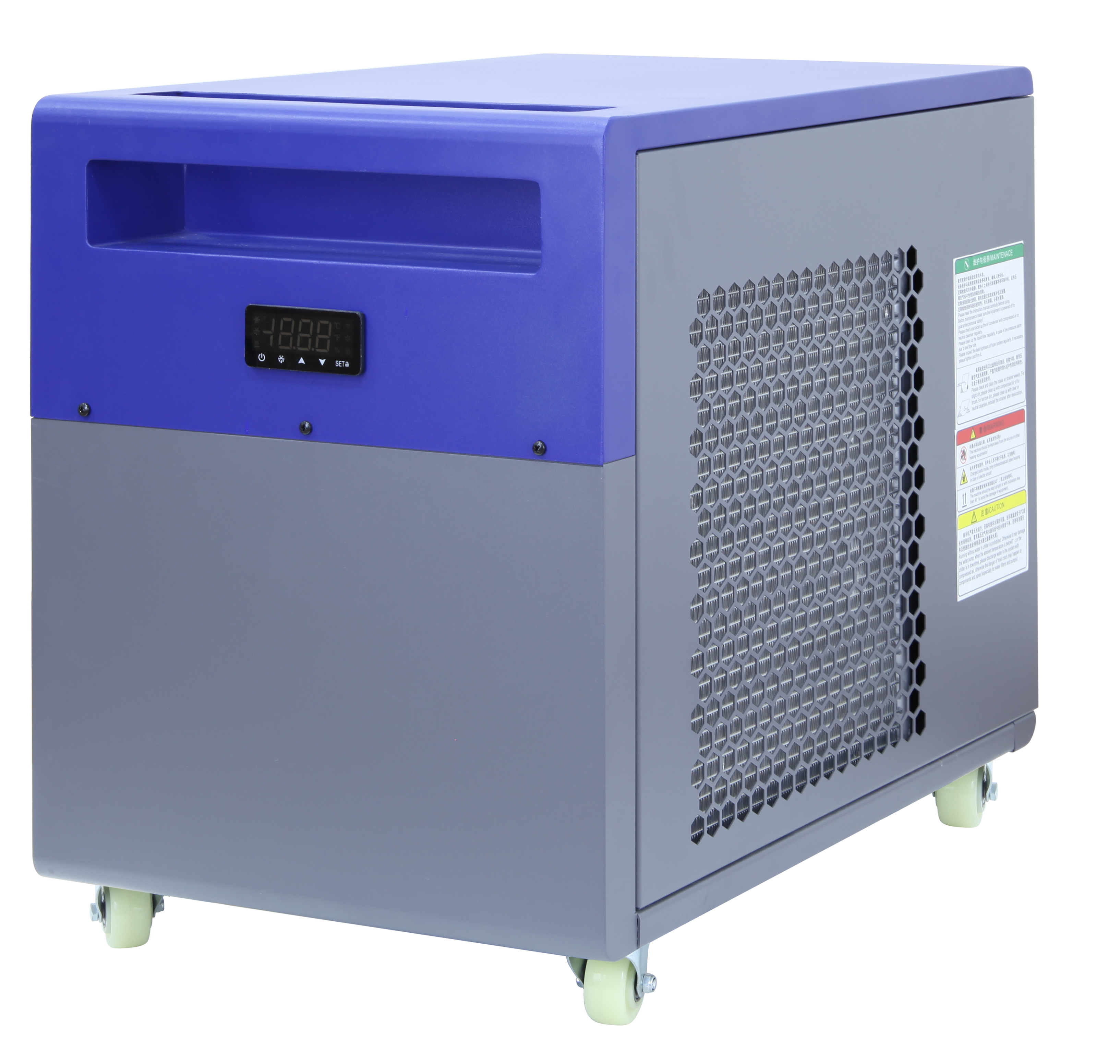
When designing or maintaining a cold plunge system, many operators treat filtration and cooling as separate concerns. However, integrating these two systems creates a more efficient, reliable, and effective water management solution. A well-designed cold plunge chiller system depends on both proper cooling performance and consistent filtration to maintain water clarity, hygiene, and equipment longevity. Understanding how filtration and cooling work together reveals why a holistic approach delivers superior results in wellness and recovery applications.

The synergy between filtration and cooling fundamentally shapes the performance of any immersion therapy setup. When these systems operate independently without strategic integration, water quality degrades faster, energy efficiency drops, and maintenance becomes more labor-intensive. This article explores why combining filtration and cooling strategies into a unified framework delivers cleaner water, lower operational costs, and longer equipment life.
Understanding the Interconnection Between Cooling and Filtration
How Temperature Affects Filtration Performance
Water temperature directly influences how effectively filtration removes contaminants. Cold water has different viscosity and particle behavior than warmer water, affecting how substances suspend and settle within the system. A cold plunge chiller maintains lower temperatures, which can help certain contaminants remain suspended longer, requiring more aggressive filtration to capture them. Conversely, without proper cooling, water warms and particles may accumulate faster on filter media, reducing filtration efficiency and requiring more frequent cartridge replacement.
The relationship between cooling and filtration means that optimizing one without the other creates bottlenecks. If cooling performance lags, filtration must work harder to manage increased organic growth and particle suspension. If filtration is inadequate, the cooling system must compensate by processing dirtier water, which accelerates wear on heat exchangers and reduces thermal efficiency. Strategic alignment prevents these cascading inefficiencies.
Microbial Activity and Temperature Control
Microorganism growth is directly temperature-dependent. A properly functioning cold plunge chiller suppresses bacterial and algae proliferation by maintaining water at inhibitory temperatures. However, cold temperatures alone do not eliminate all pathogens or organic matter already present in the water. Filtration removes existing microbes and their metabolic byproducts before they can multiply, while cooling prevents new growth. Together, they create a hostile environment for contamination while maintaining water quality through mechanical removal.
When cooling is insufficient, even robust filtration cannot fully compensate because warmer water promotes rapid microbial regrowth. This forces operators to rely on chemical treatments or UV sterilization as crutches. A comprehensive approach combines cooling as the foundation with filtration as the primary barrier, resulting in naturally cleaner water that requires fewer supplementary treatments.
Optimizing System Design for Combined Filtration and Cooling
Water Flow and Circulation Patterns
System design must account for how filtration and cooling interact during water circulation. In a well-designed cold plunge chiller setup, water flows through the filter before reaching the cooling circuit, ensuring that particulates do not clog heat exchangers or reduce cooling efficiency. This sequence protects the chiller's efficiency and extends its operational lifespan. Reverse flow patterns or poorly planned circulation can introduce unfiltered water into cooling zones, compromising both systems simultaneously.
Flow rate selection balances filtration capture rates with cooling capacity. If water moves too quickly through the filter, contaminants pass through untrapped. If flow is too slow, the cold plunge chiller cannot maintain target temperatures during heavy use. Operators must select filter media grades and chiller capacity that work harmoniously, ensuring adequate dwell time in both systems without creating pressure losses that waste energy.
Filter Media Selection and Chiller Integration
Different filter media grades interact differently with cold water systems. Finer media captures smaller particles but increases pressure drop, demanding more powerful circulation pumps and potentially conflicting with cooling efficiency. Coarser media allows faster flow but passes more contaminants. The choice depends on how aggressive your cooling system needs to be. When a cold plunge chiller maintains very low temperatures, supplementary filtration media can be more aggressive without overwhelming pump capacity, since cold water viscosity supports better particle capture at similar flow rates.
Integration also involves selecting materials compatible with both the cooling circuit and filtration system. Corrosion-resistant components in the chiller ensure longevity, while filter housings must withstand temperature fluctuations without degradation. Choosing equipment rated for the full operational range prevents premature failure where filtration and cooling systems meet physically or through shared circulation.
Operational Benefits of Unified Filtration and Cooling Strategy
Energy Efficiency and Reduced Maintenance
Systems where filtration and cooling are intentionally synchronized consume less energy overall. A cold plunge chiller operating with pre-filtered water experiences less strain, uses smaller compressors, and cycles less frequently. This reduces electricity consumption significantly compared to systems where inadequate filtration forces the chiller to work harder. Similarly, filtration systems that prevent water contamination avoid premature cartridge replacement and emergency cleanings, lowering labor and material costs.
Maintenance schedules become more predictable and manageable. When both systems receive proper attention as an integrated unit, technicians can plan service intervals based on actual water condition rather than responding to failures. Filter replacement and chiller servicing can be coordinated, minimizing downtime and allowing batch purchasing of replacement components at better economies.
Water Quality and User Experience
The combined effect of proper cooling and filtration delivers visibly cleaner, clearer water that enhances user confidence and satisfaction. Particles remain suspended in poorly cooled or inadequately filtered water, creating cloudiness and visible deposits. A cold plunge chiller paired with appropriate filtration maintains crystal-clear water that looks and feels premium. This clarity directly influences perceived quality and justifies pricing for premium wellness facilities.
Beyond appearance, integrated filtration and cooling maintains safer water chemistry. Lower temperatures reduce chemical degradation rates, meaning sanitizers remain effective longer. This allows facilities to operate with lower chemical concentrations while achieving the same safety standards, reducing irritation to skin and eyes during immersion therapy sessions.
FAQ
Can a cold plunge chiller function without a filtration system?
Technically, yes, but performance and longevity suffer significantly. Without filtration, organic matter and particles accumulate in the chiller's heat exchanger, reducing cooling efficiency and eventually causing failure. Water quality deteriorates rapidly, and users experience cloudy, contaminated water. A cold plunge chiller should always include filtration as an essential component for safe, reliable operation and extended equipment life.
How often should I replace filter media in a cooling system?
Replacement frequency depends on water quality and system usage. In systems where filtration and cooling are well-integrated, filter cartridges typically need replacement every 4-8 weeks during active use. Systems with inadequate filtration or cooling require more frequent changes. Monitoring pressure differential across the filter provides the most reliable indicator—when it reaches the manufacturer's maximum rating, replacement is necessary to maintain both filtration effectiveness and water quality.
Does better cooling reduce the need for filtration?
No. While cold water suppresses microbial growth, it does not remove existing particles or contaminants already in suspension. Both cooling and filtration serve distinct purposes that complement each other. Reducing either system will degrade water quality and equipment performance. The most effective approach treats filtration and cooling as equally essential, integrated components of comprehensive water management in a cold plunge chiller environment.
 EN