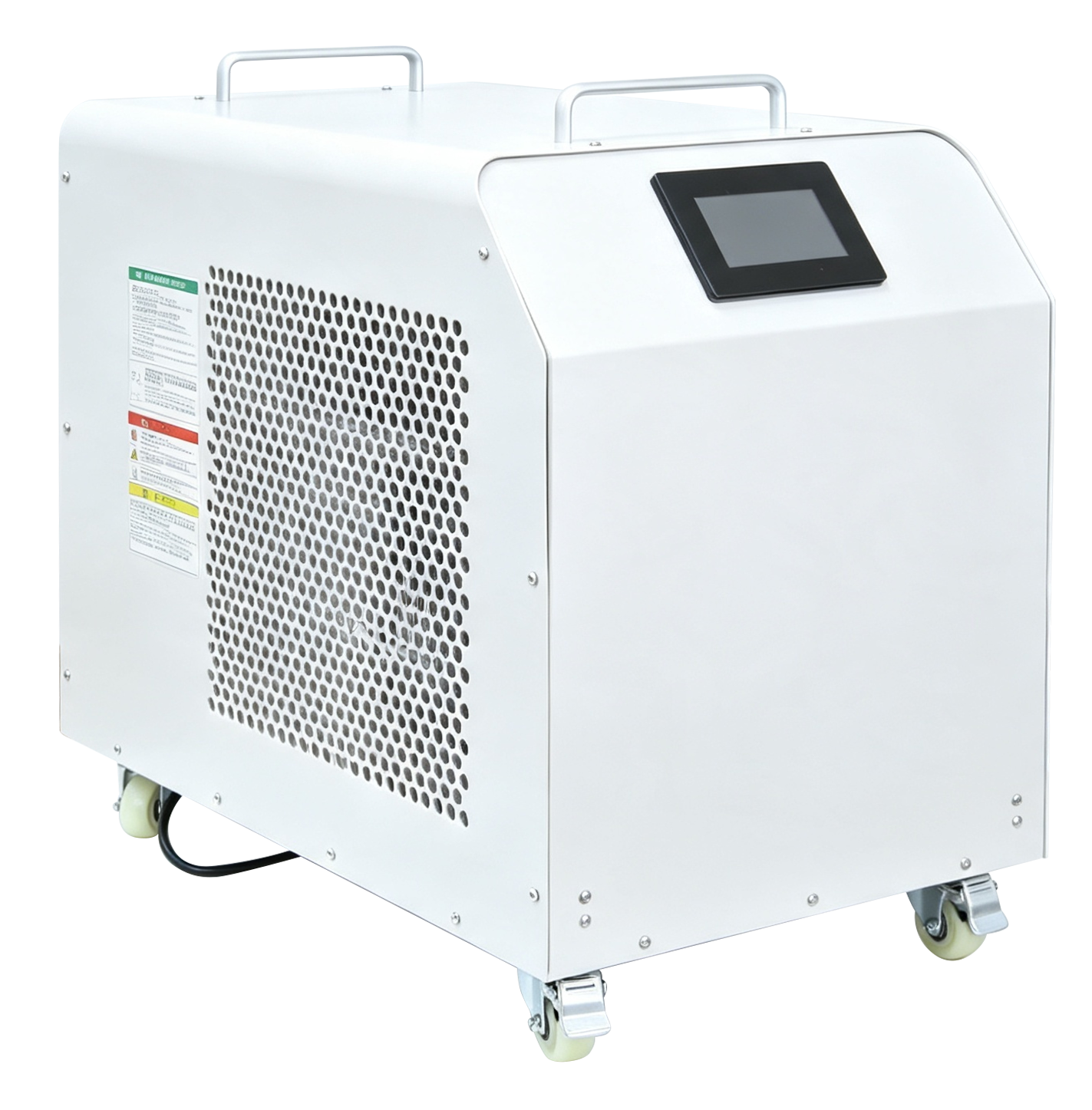
When organizations invest in cold plunge systems, many focus narrowly on immediate facility needs without considering what comes next. The decision to procure cold plunge equipment represents a significant capital commitment, yet procurement teams frequently overlook the strategic importance of anticipating growth trajectories. Organizations that neglect scalability during the procurement phase often face expensive upgrades, operational disruptions, or complete system replacements when expansion demands arrive. This approach contradicts modern facility management principles, where strategic foresight drives cost efficiency and operational resilience.

The intersection of procurement strategy and future expansion planning creates a foundation for sustainable facility infrastructure. By embedding scalability considerations into the initial cold plunge procurement process, organizations unlock flexibility, reduce lifecycle costs, and position themselves to capture growth opportunities without technology-driven constraints. Strategic procurement isn't merely about purchasing equipment today—it's about architecting systems that evolve with your organization's ambitions and operational scale.
Scalability as a Core Procurement Requirement
Defining Scalability in Cold Plunge Procurement
Scalability in cold plunge procurement refers to the system's capacity to expand capacity, add units, or upgrade functionality without requiring complete infrastructure replacement. A scalable cold plunge design accommodates increased user volume, longer operational hours, multiple recovery stations, or enhanced therapeutic features as facility demand grows. Procurement teams must evaluate whether selected systems support modular expansion, whether electrical and plumbing infrastructure can handle additional units, and whether the vendor ecosystem supports future upgrades. Scalable procurement decisions eliminate the false choice between buying minimal capacity today and oversizing unnecessarily.
Why Scalability Matters During Initial Procurement
Organizations underestimate how quickly cold plunge adoption grows within facilities. Athletics departments, corporate wellness programs, and recovery clinics frequently experience 20-40% annual usage increases once systems become operational. Procurement decisions made without scalability considerations force painful choices: deny access to growing user populations, defer expansion indefinitely, or undertake costly mid-life retrofits. Selecting cold plunge equipment that supports future expansion during the initial procurement phase sidesteps these dilemmas entirely. Scalable procurement strategy transforms expansion from a crisis into a planned business decision aligned with facility roadmaps.
Integrating Future Expansion Planning Into Procurement Strategy
Assessing Growth Scenarios During Selection
Procurement teams should develop realistic growth scenarios before evaluating cold plunge systems. What percentage of facility users might adopt cold plunge recovery within 12, 24, and 36 months? Will the facility expand to new locations requiring additional systems? Are there seasonal demand fluctuations that suggest peak capacity needs? These questions frame procurement decisions around tangible future expansion trajectories rather than abstract scalability concepts. Organizations that quantify expected usage growth can specify cold plunge systems with appropriate baseline capacity, electrical infrastructure, water connectivity, and vendor support ecosystems that align with realistic expansion timelines.
Evaluating Vendor Support for Expansion Pathways
Procurement decisions should prioritize vendors who explicitly support future expansion alongside initial deployment. This means evaluating whether vendors offer modular system architectures, provide upgrade pathways that preserve initial investments, supply compatible equipment for multi-unit installations, and maintain ongoing service relationships through growth phases. Vendors committed to customer scalability typically document expansion capabilities during procurement conversations, offer transparent pricing for future additions, and design systems that integrate seamlessly with upgrades. Procurement teams conducting vendor evaluation should directly ask: 'How do you support customers who need to add cold plunge capacity in years two and three?' Evasive or generic responses signal misalignment with future expansion priorities.
Technical and Infrastructure Considerations for Growth
Planning Infrastructure Capacity for Future Cold Plunge Additions
Cold plunge systems require robust electrical supply, dedicated water access, drainage capacity, and climate-controlled mechanical space. Procurement teams must assess whether existing facility infrastructure can support not only current cold plunge specifications but also reasonable future expansion scenarios. This means evaluating electrical panel capacity for additional units, confirming water supply pressure and flow rates can accommodate scaled-up systems, ensuring drainage systems won't bottleneck under increased usage, and verifying mechanical room space allows equipment additions. Forward-looking procurement incorporates infrastructure assessments that anticipate 50-100% increases in cold plunge capacity. Facilities that install narrow-margin infrastructure discover too late that future expansion requires expensive structural upgrades, electrical rewiring, or complete system redesigns.
Documentation and Flexibility Preservation
During cold plunge procurement, organizations should require vendors to provide comprehensive technical documentation that supports future scaling decisions. This includes system architecture diagrams, electrical specifications with headroom calculations, water system performance curves showing capacity at various flow rates, and integration protocols for connecting multiple units. Documentation should clearly identify which components are proprietary versus compatible with third-party equipment, which aspects can be upgraded versus replaced, and what refresh cycles vendors anticipate. Organizations that preserve this documentation and maintain flexibility in component specifications position themselves to expand cold plunge capacity cost-effectively when growth demands arise, rather than discovering they're locked into inflexible vendor architectures.
FAQ
How much capacity should cold plunge procurement plan for if future expansion is uncertain?
Procurement should size systems for current demand plus 40-60% expected growth over the next three years based on realistic facility projections. This buffer provides confidence that systems won't immediately constrain operations while avoiding excessive oversizing that wastes resources. If uncertainty remains, prioritize modular cold plunge designs that add capacity incrementally rather than purchasing maximum capacity upfront. Scalable procurement architecture gives organizations optionality—the ability to expand when demand signals become clearer rather than committing prematurely.
What vendor characteristics indicate strong future expansion support?
Vendors committed to scalable cold plunge solutions typically offer modular component designs, transparent upgrade pricing documented at procurement time, multi-unit installation experience, and documented expansion support for existing customers. Look for vendors who provide infrastructure planning assistance during initial procurement, maintain long-term service relationships, and design systems where future units integrate seamlessly with legacy equipment. Vendors who hesitate to discuss expansion pathways or structure pricing opaquely for future additions signal misalignment with long-term partnership models.
Can cold plunge systems installed without future expansion planning ever be upgraded cost-effectively?
Retrofitting non-scalable cold plunge systems typically costs 30-50% more than incorporating scalability during initial procurement because infrastructure upgrades, electrical rewiring, or complete system replacements become necessary. While some systems support late-stage upgrades, these situations force difficult trade-offs between cost, operational disruption, and capability limitations. Procurement teams that embed future expansion planning from day one avoid these expensive retrofit scenarios entirely, making scalability a smart financial investment rather than an optional consideration.
 EN