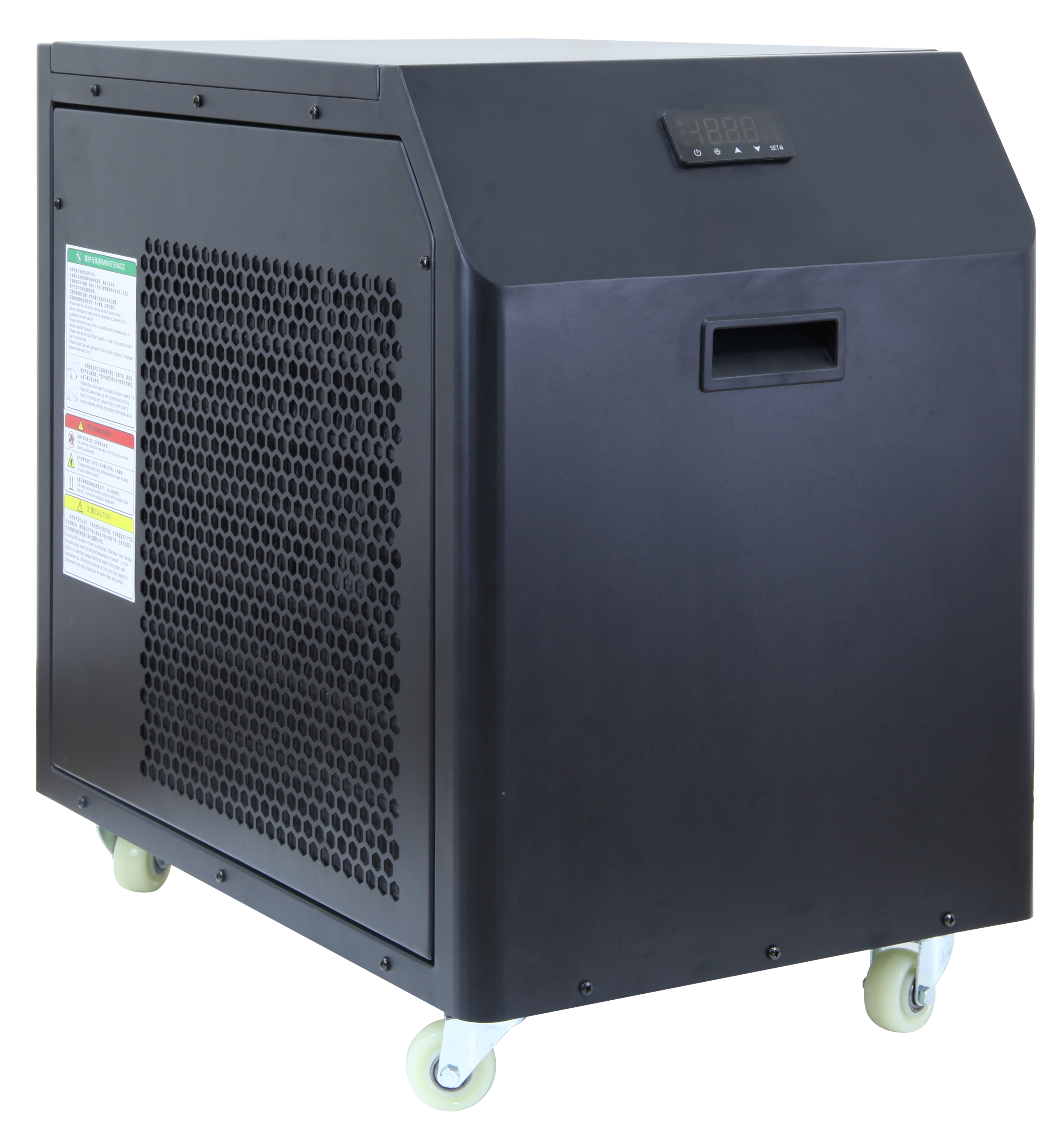
The fitness and athletics world is witnessing a remarkable shift in how professional and amateur athletes approach recovery. Cold plunge therapy has emerged as one of the most talked-about recovery methods, attracting elite performers and fitness enthusiasts alike. This ancient practice, backed by modern science, is reshaping how athletes think about rest, adaptation, and peak performance. Understanding why cold plunge has become so popular reveals important insights into contemporary sports recovery methodology and the physiological mechanisms driving athlete wellness strategies.
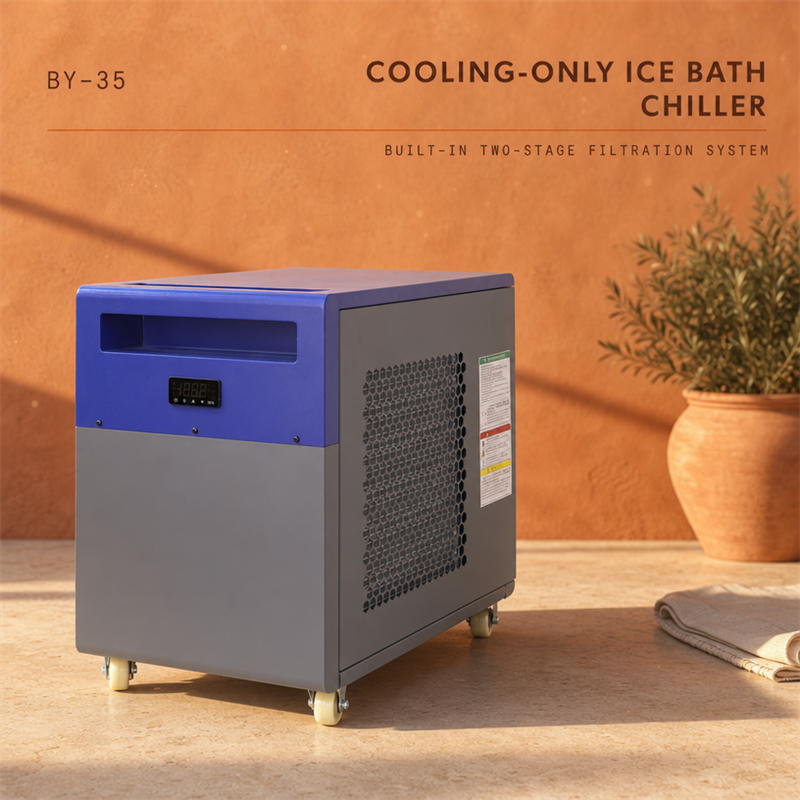
Athletes across diverse disciplines—from professional football and basketball to endurance sports and CrossFit—are investing in cold plunge therapy as a core component of their training regimen. The trend reflects a broader evolution in sports recovery culture, where recovery is now recognized as equally important as training itself. Wellness programs that integrate cold immersion alongside traditional methods report measurable improvements in athlete performance metrics and subjective recovery experiences. This adoption signals a fundamental change in how the sports industry views recovery optimization.
The Physiological Benefits Behind Cold Plunge Popularity
Inflammation Reduction and Muscle Recovery
Cold plunge therapy works by triggering the body's natural anti-inflammatory response through controlled exposure to cold water. When athletes immerse themselves in cold water, vasoconstriction occurs—blood vessels narrow, reducing blood flow to affected muscles. This process slows metabolic activity and decreases the production of inflammatory cytokines that accumulate during intense training. For athletes recovering from strenuous workouts or competition, this inflammation reduction directly translates to faster recovery timelines and reduced delayed-onset muscle soreness.
The mechanism behind sports recovery has evolved significantly with neuroscience research demonstrating how cold exposure influences cellular adaptation. Athletes using cold plunge consistently report reduced soreness within 24 to 48 hours post-training. Research in sports performance monitoring shows that cold water immersion accelerates the clearance of metabolic waste products and reduces muscle fiber damage markers. This physiological response makes cold plunge an attractive recovery modality for athletes managing high training volumes or competing frequently.
Cardiovascular and Nervous System Adaptation
Beyond inflammation management, cold plunge stimulates cardiovascular and autonomic nervous system adaptations. Regular exposure strengthens the parasympathetic nervous system, which governs the body's recovery response. Athletes who practice cold plunge training report improved stress resilience and better sleep quality—two critical factors in comprehensive sports recovery protocols. The cardiovascular challenge posed by cold water immersion also builds vascular resilience, improving oxygen delivery efficiency during subsequent athletic performance.
Wellness professionals recognize that cold plunge triggers hormonal adjustments that support recovery. Enhanced norepinephrine circulation and improved heart rate variability metrics indicate better nervous system balance. Athletes competing at elite levels leverage these adaptations to maintain consistent performance across demanding training blocks. This neurophysiological component explains why cold plunge has become foundational rather than supplementary in modern sports recovery frameworks.
Why Athletes and Teams Are Adopting Cold Plunge Systems
Accessibility and Integration Into Training Environments
The surge in cold plunge popularity stems partly from improved accessibility. Professional teams and sports facilities now install dedicated cold plunge systems, making the therapy convenient and standardized. Athletes no longer rely on inconsistent ice baths or travel to specialized recovery centers. This infrastructure investment by sports organizations signals confidence in cold plunge efficacy and commitment to evidence-based recovery protocols. Facility managers recognize that integrated cold plunge stations reduce downtime and enhance overall athletic performance metrics across their rosters.
Wellness teams appreciate the time efficiency of cold plunge compared to other recovery modalities. A 10-minute immersion fits seamlessly into post-training protocols without extending overall facility time demands. This practical advantage, combined with measurable performance benefits, explains why athletic directors increasingly prioritize cold plunge installation in training complexes. The standardization of cold plunge usage also enables better comparative analysis of recovery outcomes across different athletes and training phases.
Competitive Performance Expectations
In elite sports environments, competitive advantage drives adoption of emerging recovery technologies. Athletes recognize that opponents are likely using cold plunge, creating psychological and practical pressure to include it in personal recovery strategies. This competitive dynamic accelerates mainstream adoption across less elite levels. Coaching staff and sports medicine professionals understand that athletes performing at comparable levels often differ in recovery efficiency. Cold plunge represents a tangible method to optimize that efficiency gap, supporting overall sports recovery excellence and competitive positioning.
The visibility of professional athletes and teams publicly discussing cold plunge has normalized the practice across amateur and collegiate athletics. Social media documentation of recovery routines featuring cold plunge has influenced youth and amateur athletes to seek similar wellness interventions. This cultural shift demonstrates how visible high-performance adoption drives broader market demand and accessibility development. Athletes now view cold plunge participation as standard practice rather than experimental treatment, fundamentally changing recovery culture across all performance levels.
Scientific Evidence and Long-Term Athletic Wellness Impact
Research Supporting Cold Plunge Effectiveness
Peer-reviewed sports science literature increasingly supports cold plunge benefits for athletes. Studies demonstrate consistent improvements in recovery markers, reduced muscle damage indicators, and enhanced performance metrics in subsequent training sessions. Research comparing athletes using cold plunge versus control groups shows measurable advantages in power output recovery and subjective fatigue ratings. This scientific foundation provides confidence to athletes and organizations considering cold plunge integration into comprehensive sports recovery programs, distinguishing it from unproven wellness trends.
The body of evidence supporting cold plunge has grown substantially over the past decade. Longitudinal studies tracking athletes across full training seasons reveal sustained benefits when cold plunge is incorporated systematically. Sports medicine practitioners now reference this research when developing personalized athlete recovery protocols. The combination of immediate physiological responses and documented long-term performance improvements explains why cold plunge has transcended novelty status to become standard practice in elite sports recovery.
Integration With Comprehensive Wellness Strategies
Progressive sports recovery programs recognize that cold plunge works optimally within integrated wellness frameworks. Athletes combining cold plunge with sleep optimization, nutrition timing, mobility work, and psychological recovery protocols report superior outcomes. Wellness coaches structure cold plunge sessions strategically around training intensity and competition schedules to maximize effectiveness. This holistic approach prevents cold plunge from becoming an isolated intervention, instead positioning it as a synergistic component within broader sports recovery ecosystems.
The sophistication of modern sports recovery reflects how athletes increasingly view wellness as multifactorial. Cold plunge popularity demonstrates athlete willingness to adopt evidence-based recovery methods that complement traditional approaches. Organizations investing in cold plunge infrastructure simultaneously strengthen other recovery pillars, creating compounding benefits. This integrated strategy explains sustainable performance improvements observed in teams and athletes prioritizing comprehensive sports recovery excellence alongside training optimization.
FAQ
How often should athletes use cold plunge for optimal sports recovery?
Most athletes benefit from cold plunge immersion 2-4 times weekly, typically after high-intensity training sessions. Optimal frequency depends on training volume, competition schedule, and individual recovery needs. Sports medicine professionals recommend starting with lower frequency and monitoring subjective and objective recovery markers before adjusting. Cold plunge is most effective when integrated into a periodized recovery plan rather than used randomly, allowing athletes to assess cumulative benefits over 3-4 week training blocks.
What temperature and duration are considered safe and effective for cold plunge therapy?
Most athletic cold plunge protocols use water temperatures between 50-59°F (10-15°C) for durations of 5-15 minutes. New users typically begin with shorter exposures at warmer temperatures, progressively adapting as their body acclimates. Safety guidelines recommend monitoring core temperature and individual stress responses. Athletes with cardiovascular conditions should consult medical professionals before starting cold plunge programs. Proper supervision and individualized progression ensure athletes maximize wellness benefits while minimizing adverse risks associated with cold water immersion.
Can cold plunge improve sports recovery for both elite and recreational athletes?
Yes, cold plunge benefits athletes across performance levels when applied appropriately. Elite athletes use cold plunge as part of comprehensive recovery strategies, while recreational athletes can leverage the same physiological mechanisms to enhance wellness and training adaptation. The principles of inflammation reduction and nervous system activation apply regardless of athlete caliber. Recreational athletes typically need less frequent cold plunge sessions than elite competitors but still experience meaningful sports recovery improvements. Customizing cold plunge protocols to individual training demands ensures effectiveness and accessibility across diverse athlete populations.
 EN