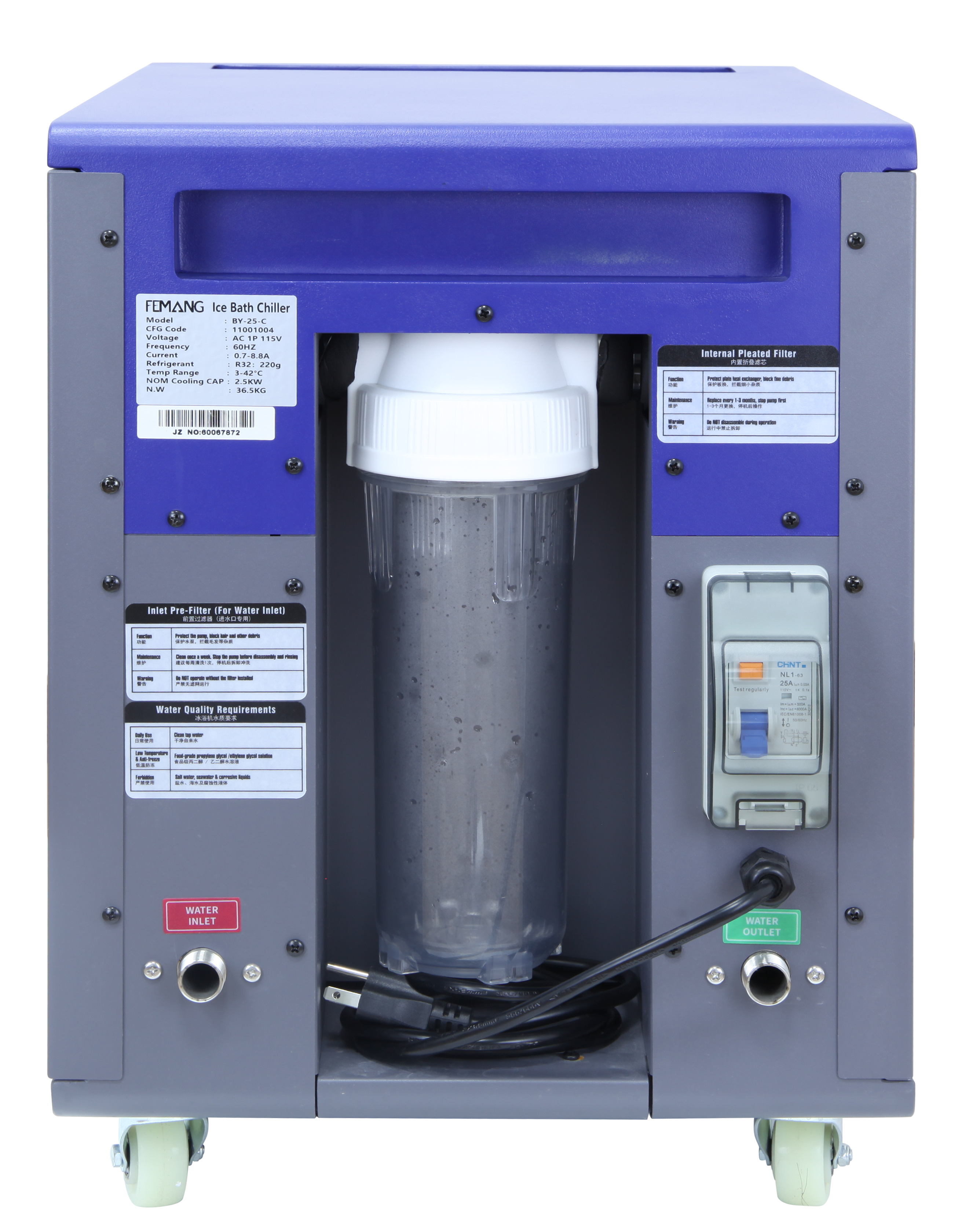
Operational consistency is the backbone of any successful high-traffic facility, whether it's a resort, spa, recovery center, or athletic training complex. The cold plunge chiller has become a critical asset in facilities that offer ice bath therapies, hydrotherapy protocols, and wellness recovery services. However, many facility managers underestimate just how much the reliability of this equipment impacts their bottom line, guest satisfaction, and operational continuity.
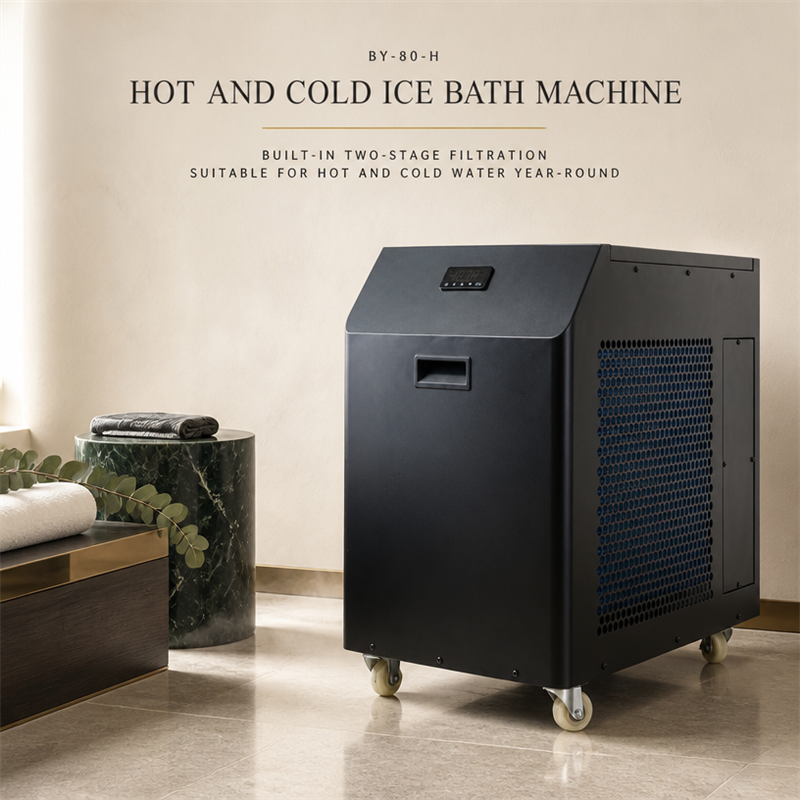
When a cold plunge chiller fails unexpectedly, the consequences ripple across multiple operational dimensions. Guests and members lose access to a premium service they've come to rely on, staff must manage disappointment and reschedule sessions, and revenue streams are interrupted. For commercial use environments that depend on consistent ice bath availability, equipment downtime isn't just an inconvenience—it's a business liability. This is why understanding the critical importance of reliability in commercial use settings is essential for any facility planning or upgrading their hydrotherapy infrastructure.
The Impact of Equipment Downtime on High-Traffic Operations
Revenue Loss and Guest Retention
High-traffic facilities generate revenue through member subscriptions, daily passes, and premium therapy packages. When the cold plunge chiller becomes unavailable due to mechanical failure or performance degradation, these revenue streams stop immediately. Members expecting ice bath access find locked therapy rooms, and staff must turn away potential customers or offer refunds. Over time, repeated downtime erodes guest trust and pushes retention metrics downward, particularly in competitive wellness markets.
The financial impact extends beyond immediate lost sessions. A facility that cannot reliably deliver its advertised services faces reduced membership renewal rates, negative online reviews, and damage to its reputation. For commercial use providers competing with other facilities, reliability becomes a direct competitive advantage. Guest experience hinges on whether promised services are actually available when members show up to use them.
Operational Stress and Staff Burden
Unreliable equipment creates operational chaos. Staff must manage guest disappointment, reschedule appointments, coordinate emergency maintenance calls, and often work extended hours to mitigate service gaps. This additional stress reduces employee satisfaction and increases turnover in already tight labor markets. When a cold plunge chiller fails repeatedly, staff confidence in the facility's operational infrastructure declines, affecting morale and service quality across all departments.
Core Reliability Factors for Commercial Use Equipment
Durable Component Design and Materials
Commercial use cold plunge chillers must be engineered for continuous operation and frequent cycling. High-quality compressors, reinforced pump systems, and corrosion-resistant internal components are foundational to long-term reliability. Industrial-grade materials withstand chemical exposure from sanitizers, mineral buildup from repeated water changes, and thermal stress from rapid temperature fluctuations. A cold plunge chiller designed specifically for high-traffic applications uses heavy-duty construction that absorbs the demands of daily multi-user operation without premature failure.
The cooling capacity and efficiency of the system directly influence how well it maintains target temperatures under peak demand. Undersized or poorly specified equipment struggles to recover temperature after high-volume use, leading to performance drift and mechanical strain. Commercial use facilities handling multiple daily sessions require chillers with adequate thermal margin and redundant safety systems to prevent catastrophic failure.
Preventive Maintenance Requirements and Monitoring
Reliability isn't passive—it requires proactive maintenance protocols. Cold plunge chiller systems benefit enormously from scheduled inspections, filter replacements, refrigerant checks, and electrical system verification. Facilities with robust maintenance programs experience dramatically fewer emergency breakdowns than those relying on reactive repairs. For high-traffic environments, implementing a documented maintenance calendar is as important as the equipment itself.
Modern cold plunge chiller systems increasingly include diagnostic sensors and monitoring capabilities that alert facility managers to emerging issues before they cause complete failure. These alert systems track temperature stability, compressor cycle patterns, and system pressure to catch problems early. In commercial use settings, this visibility transforms maintenance from guesswork into data-driven decision-making, extending equipment life and preventing unscheduled downtime.
Choosing and Maintaining Reliable Cold Plunge Chiller Systems
Evaluating Equipment Specifications for High-Traffic Demands
When selecting a cold plunge chiller for commercial use, facility managers must assess cooling capacity relative to expected daily sessions and facility size. A system that can handle peak cooling demands while maintaining efficiency ensures consistent performance under stress. Specifications to evaluate include compressor horsepower, chilling speed (time to reach target temperature from ambient), temperature hold accuracy, and emergency fail-safe features.
Warranty terms and manufacturer support are additional indicators of reliability confidence. Reputable commercial use equipment manufacturers typically offer extended warranties, field service availability, and technical support resources. A cold plunge chiller backed by strong warranty coverage signals that the manufacturer stands behind the product's durability and performance in high-traffic applications.
Long-Term Ownership and Support Strategy
True reliability extends beyond the initial purchase. Facilities should establish partnerships with equipment suppliers who offer preventive maintenance services, spare parts availability, and knowledgeable technical support. For commercial use environments, having a trusted service provider reduces response time during emergencies and ensures that repairs are handled by specialists who understand the specific system architecture.
Documentation, training, and staff familiarization are equally important. Staff members should understand basic system operation, routine monitoring tasks, and when to escalate concerns to maintenance professionals. In high-traffic facilities, this knowledge prevents operator errors that can damage equipment and improves the likelihood that emerging problems are caught early before they become critical failures affecting service delivery.
FAQ
What are the signs that a cold plunge chiller is losing reliability?
Warning signs include difficulty reaching target temperature, temperature fluctuations during use, unusual compressor noise or vibration, water leaks, and error codes on display panels. If a cold plunge chiller takes noticeably longer than normal to chill the water or cannot hold temperature for extended periods, the system is likely experiencing mechanical stress that will worsen without intervention. In commercial use environments, addressing these symptoms immediately through professional service prevents catastrophic failure and protects facility operations.
How often should a commercial cold plunge chiller system be serviced?
For high-traffic facilities, quarterly preventive maintenance is a standard best practice, though some commercial use installations benefit from more frequent inspections during peak seasons. Annual professional inspections at minimum should include compressor evaluation, refrigerant level verification, electrical system testing, and filter assessment. Facilities with heavy daily use may need maintenance every 6–8 weeks to ensure optimal reliability and prevent unexpected downtime.
Can facility managers extend cold plunge chiller lifespan through operation practices?
Yes. Proper water chemistry management, regular filter maintenance, avoiding extreme temperature adjustments, and keeping the equipment clean significantly extend cold plunge chiller reliability. High-traffic facilities should also maintain consistent ambient room temperatures and ensure adequate ventilation around the chiller unit. These operational discipline measures, combined with professional maintenance protocols, help commercial use systems maintain peak performance and durability throughout their service life.
 EN