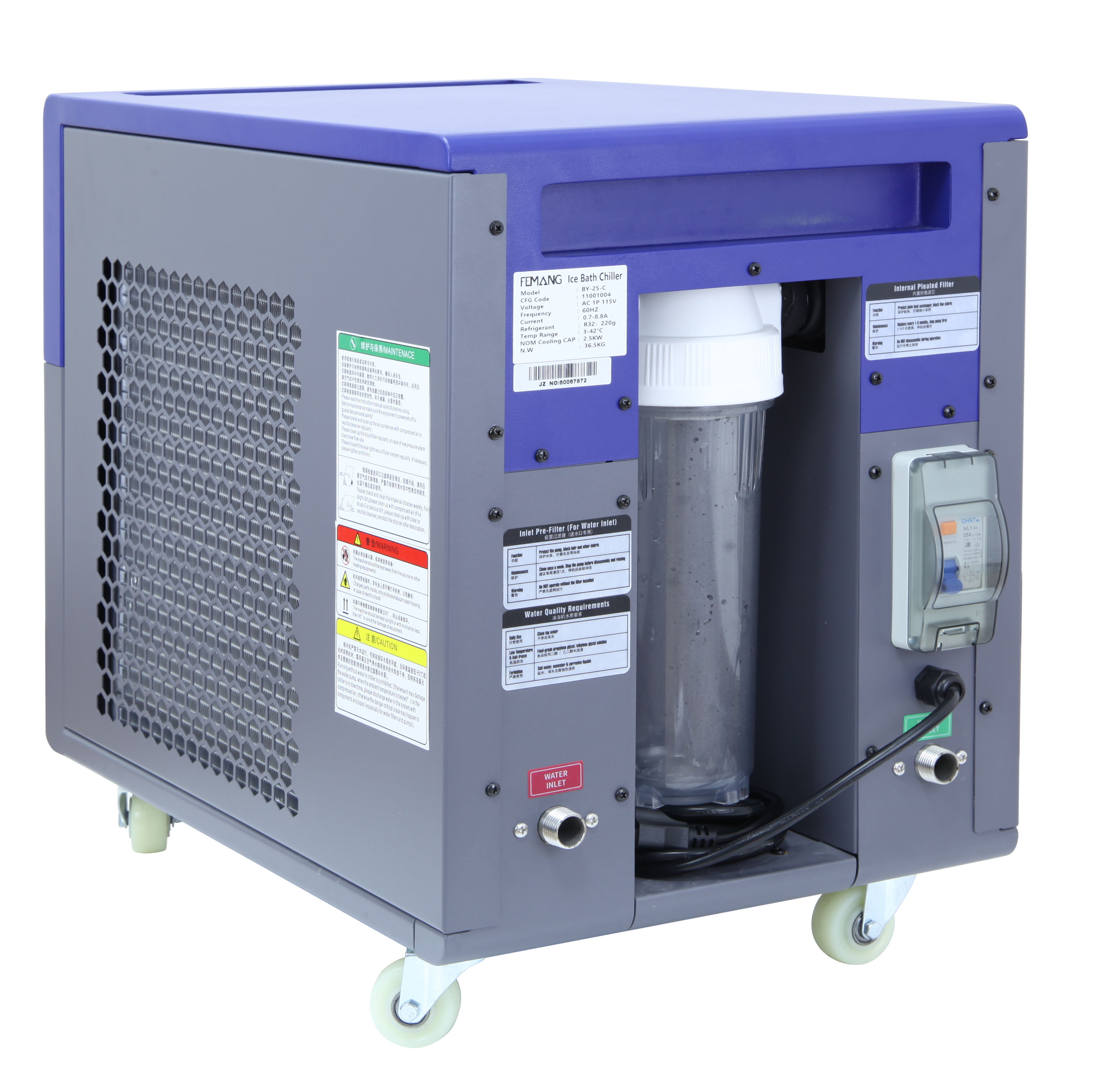
Purchasing a cold plunge chiller represents a significant capital investment for wellness facilities, athletic training centers, and luxury home installations. However, many decision-makers focus exclusively on the upfront purchase price while overlooking a critical factor that directly impacts long-term operational success: comprehensive maintenance planning. A cold plunge chiller that appears cost-effective at purchase may become financially burdensome if maintenance requirements, spare parts availability, and service access are not thoroughly evaluated during the procurement process. This oversight can result in unexpected downtime, escalating repair costs, and ultimately a much higher total cost of ownership than initially projected.
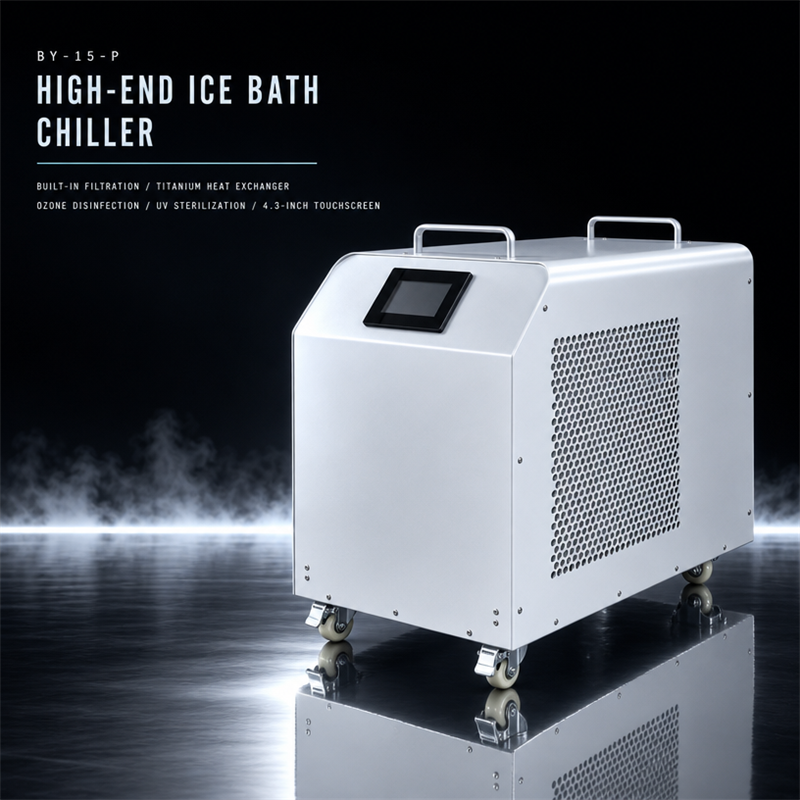
Effective procurement strategy requires evaluating the full lifecycle cost of a cold plunge chiller system, not just the price tag. Organizations that integrate maintenance planning into their procurement process gain competitive advantages through predictable budgeting, reduced emergency repairs, improved system reliability, and extended equipment lifespan. This article examines why maintenance planning must be a cornerstone of cold plunge chiller procurement and how to build a comprehensive evaluation framework that protects your investment.
Understanding Total Cost in Cold Plunge Chiller Procurement
Beyond Purchase Price: The Full Cost Picture
The total cost associated with cold plunge chiller ownership extends far beyond the initial procurement expense. When evaluating procurement options, decision-makers must account for installation costs, ongoing maintenance, routine servicing, spare parts inventory, potential repair expenses, energy consumption, and system replacement timelines. A competitively priced cold plunge chiller that requires frequent repairs or expensive maintenance can ultimately cost 40 to 60 percent more over its operational lifetime than a higher-priced alternative with lower maintenance demands. This principle underscores why procurement strategy must incorporate detailed maintenance cost projections and service availability assessments before making a purchase decision.
Calculating Total Cost of Ownership
Calculating total cost requires gathering specific data during the procurement evaluation phase. Organizations should request detailed maintenance schedules from manufacturers, obtain quotes for routine servicing, identify spare parts pricing, determine service response times, and evaluate preventive maintenance program options. These figures must then be projected across the anticipated equipment lifespan, typically five to ten years for a quality cold plunge chiller system. Procurement teams that perform this analysis discover that maintenance planning represents 30 to 50 percent of the total cost, making it impossible to ignore during vendor selection. A transparent vendor who provides comprehensive maintenance documentation and cost breakdowns during procurement demonstrates professional standards and reduces buyer uncertainty.
Maintenance Planning as a Procurement Priority
Preventive Maintenance Integration Into Procurement Decisions
Preventive maintenance planning directly impacts the reliability and longevity of any cold plunge chiller system. During procurement, organizations should assess whether manufacturers provide detailed preventive maintenance protocols, recommended service intervals, and transparent cost estimates for routine work. A well-designed preventive maintenance program reduces emergency repairs by 70 to 80 percent and extends equipment lifespan significantly. Procurement teams should require vendors to document their preventive maintenance offerings, including filter replacement schedules, refrigerant system checks, electrical inspections, and water quality management protocols. This information becomes a critical evaluation criterion that directly influences total cost calculations and operational reliability projections.
Spare Parts Availability and Supply Chain Reliability
Spare parts availability is a often-overlooked procurement consideration that can create severe operational challenges after purchase. If a cold plunge chiller requires specialized components and the manufacturer maintains limited inventory or long lead times, facility downtime can extend from days to weeks. Effective procurement strategy includes verifying that common wear items are readily available, establishing whether the vendor maintains regional parts warehouses, and understanding the average delivery timeline for urgent repairs. Organizations should request a list of critical spare parts, their typical replacement frequency, and current stock status before finalizing procurement decisions. Vendors demonstrating robust spare parts networks and rapid delivery capabilities provide significant protection against costly operational interruptions.
Building Maintenance into Your Procurement Framework
Structured Vendor Evaluation for Maintenance Readiness
A comprehensive procurement evaluation framework must include specific questions and criteria related to maintenance capabilities and costs. Procurement teams should create a standardized questionnaire asking vendors about their service organization structure, technician certification requirements, response time guarantees, preventive maintenance program options, and willingness to train facility staff on basic troubleshooting and routine maintenance tasks. The cold plunge chiller procurement decision should weight maintenance responsiveness equally with technical specifications and purchase price. Vendors who invest in technician training, maintain detailed service documentation, and offer transparent maintenance cost structures demonstrate commitment to long-term customer success and deserve priority consideration during procurement evaluation.
Service Agreements and Long-Term Support Structures
Service agreements negotiated during procurement can substantially reduce operational risk and budget uncertainty. Organizations should explore service packages that include scheduled preventive maintenance visits, emergency response guarantees, spare parts inclusions, and extended warranties. These agreements transform maintenance costs from unpredictable emergencies into predictable line items within annual operating budgets. Procurement teams should compare multi-year service contracts offered by different vendors, evaluate their coverage comprehensiveness, and determine whether they deliver genuine cost savings compared to pay-per-service models. A cold plunge chiller backed by a robust long-term service agreement provides peace of mind and financial protection that justifies potentially higher initial procurement costs.
Practical Implications for Facility Operations
Downtime Prevention and Operational Continuity
Effective maintenance planning integrated into procurement directly prevents facility downtime and preserves revenue generation. Wellness facilities and athletic training centers depend on continuous cold plunge chiller availability to serve members and generate revenue. When procurement decisions fail to account for maintenance needs, systems fail unexpectedly and facility operations suffer. Organizations that prioritize maintenance planning during procurement ensure rapid problem resolution through established service relationships, readily available spare parts, and knowledgeable technicians. This operational continuity directly protects revenue streams and maintains member satisfaction, demonstrating that maintenance-focused procurement strategy delivers business value extending far beyond cost control.
Staff Training and Capability Building
Procurement decisions that include access to training resources and clear operational documentation empower facility staff to perform basic maintenance tasks and identify problems early. Organizations should negotiate training provisions as part of their cold plunge chiller procurement, ensuring staff understand system operation, recognize early warning signs of component degradation, and know when to contact service professionals. This capability reduces emergency service calls, extends equipment lifespan, and creates accountability for proper system care. Vendors who include comprehensive training and clear documentation as part of procurement packages support long-term customer success and demonstrate professional standards that reflect positively on the equipment itself.
FAQ
What maintenance costs should be included in cold plunge chiller procurement evaluation?
Maintenance costs include routine filter and water treatment replacements, refrigerant system servicing, electrical component inspections, corrosion prevention treatments, and emergency repair labor. Organizations should request detailed pricing for each service type and calculate annual maintenance expenses based on manufacturer-recommended intervals. Additional costs may include spare parts inventory, technician travel time, and extended warranty coverage. Comprehensive procurement evaluation incorporates all these elements to generate accurate total cost projections.
How often should a cold plunge chiller receive preventive maintenance?
Most quality cold plunge chiller systems require preventive maintenance every three to six months, depending on usage intensity and environmental conditions. Procurement teams should clarify manufacturer recommendations for their specific installation environment and verify that service providers can meet these schedules reliably. Regular maintenance intervals prevent component degradation, catch problems before they become emergencies, and significantly extend equipment lifespan. Organizations should verify maintenance scheduling feasibility before completing procurement decisions to ensure they can commit to recommended service intervals.
Should procurement include a service agreement or pay-per-service maintenance model?
Service agreements typically provide better long-term value for most organizations by converting variable maintenance costs into predictable annual expenses. Multi-year agreements also prioritize emergency response, often including faster technician response times and spare parts availability. Pay-per-service models appeal to facilities with extremely low usage or uncertain budgets, but create vulnerability to unexpected costs if problems arise. Procurement teams should compare both models using their projected maintenance schedules and facility budget constraints to determine which approach delivers superior financial protection and operational reliability.
 EN