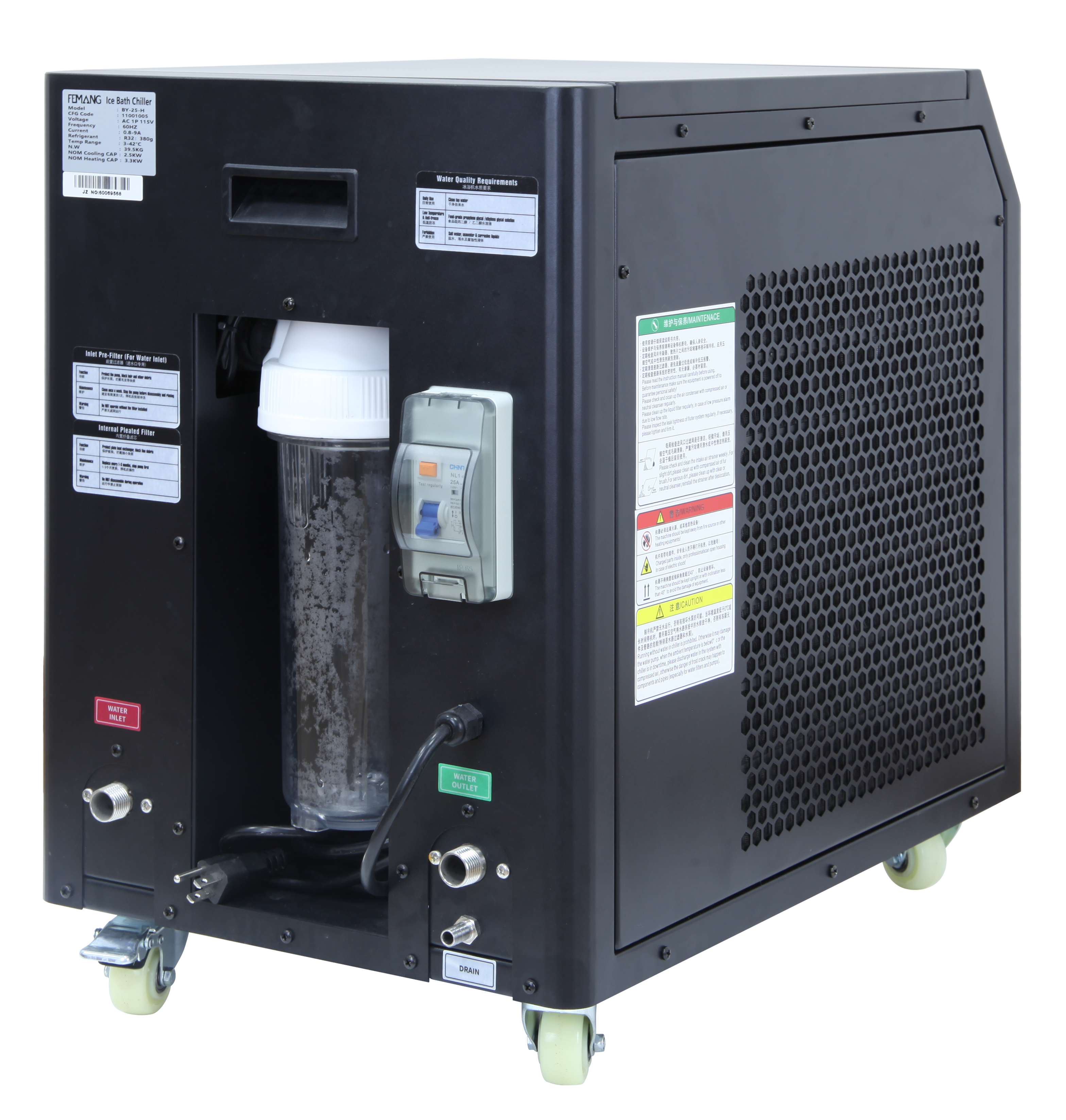
Determining when to replace or upgrade a cold plunge chiller is a critical decision for anyone serious about ice bath therapy and recovery protocols. Unlike consumer fitness equipment with obvious failure points, a cold plunge chiller operates quietly in the background, making it easy to overlook gradual performance degradation. Understanding the key indicators that signal replacement or upgrade needs helps you maintain consistent water temperature, optimal sterilization, and the recovery benefits you depend on.
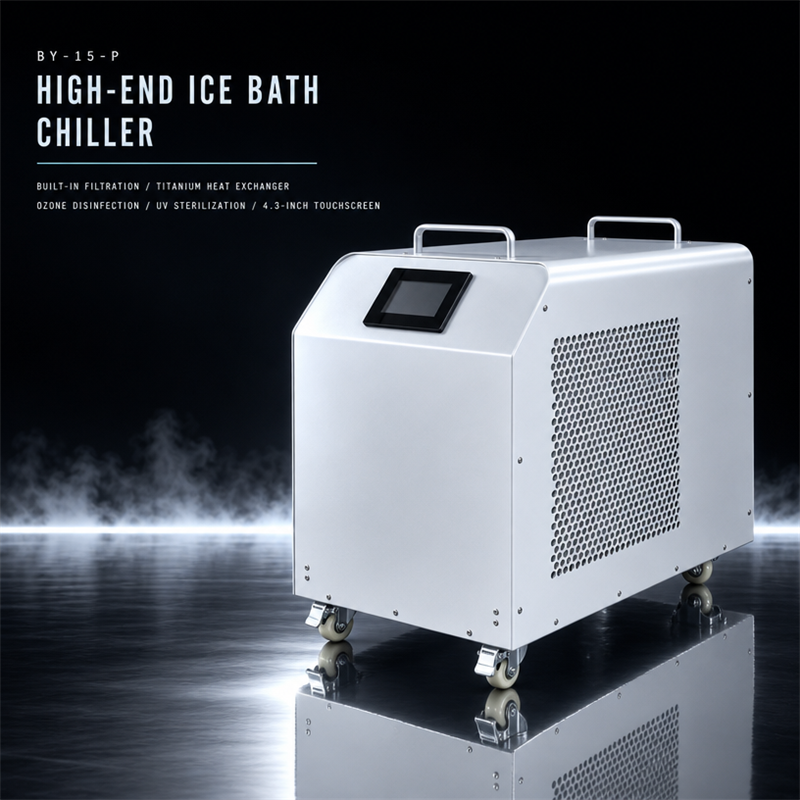
Whether you operate a home wellness setup, athletic facility, or recovery spa, your cold plunge chiller represents a significant investment in performance and health outcomes. The decision to pursue cold plunge chiller replacement or upgrade should be grounded in data, not just age or convenience. This guide walks you through the signs, performance metrics, and strategic considerations that inform the right timing for your equipment investment.
Performance Decline and Temperature Control Issues
Inability to Maintain Target Temperature
One of the most obvious signals for cold plunge chiller replacement is when your unit struggles to maintain your target water temperature. If you notice the water temperature fluctuates beyond your desired range or takes significantly longer to cool to your preferred setting, the compressor or refrigeration circuit may be losing efficiency. This degradation typically happens gradually, making it easy to adjust your expectations rather than recognizing a maintenance or replacement need. However, persistent temperature drift indicates the system is working harder to achieve the same result, consuming more energy and reducing its lifespan further.
Increased Energy Consumption Without Performance Gain
As a cold plunge chiller ages, the refrigeration components lose thermal efficiency. Your electricity bills may climb noticeably while cooling performance stays flat or declines. Modern cold plunge chiller upgrade models incorporate advanced compressor technology and improved insulation, often reducing energy draw by 20–30% compared to aging systems. Calculating the payback period between your current operating costs and a newer unit can make the upgrade decision straightforward from a business efficiency standpoint. If your current chiller consumes substantially more power per degree of temperature reduction than industry benchmarks, replacement becomes financially justified.
Water Quality and Sterilization System Degradation
Reduced Effectiveness of Ozone or UV Sterilization
Many premium cold plunge chiller systems integrate ozone or UV sterilization to maintain water purity and reduce chemical additives. Over time, UV bulbs lose intensity, ozone generators decline in output, and filtration components become clogged or less effective. If you notice water clarity issues, odor problems, or algae growth despite regular maintenance protocols, your sterilization subsystem may need replacement or upgrade. Upgrading to a cold plunge chiller with newer ozone-UV hybrid technology can restore water quality, extend drain intervals, and improve user experience without requiring complete system overhaul.
Filter Cartridge Replacement and Cost Escalation
Aging cold plunge chiller units often require increasingly frequent filter changes and maintenance interventions. If you find yourself replacing cartridges every few weeks instead of every few months, or if filter costs are climbing due to obsolescence or scarcity, an upgrade to a newer model with improved filtration efficiency becomes practical. Modern systems are engineered for easier maintenance access and use standardized, cost-effective filter components. The cumulative cost of spare parts, service calls, and extended downtime often justifies moving to a fresh maintenance contract with current equipment.
Mechanical Reliability and Repair Frequency
Escalating Repair Costs and Downtime
When cold plunge chiller repair bills begin to approach 50–60% of the cost of a new unit, replacement becomes the smarter financial choice. Common failing components include compressors, pump assemblies, thermostats, and electronic control boards. Each repair delays your access to recovery therapy and disrupts user schedules. If you experience multiple failures across different subsystems within 12 months, the unit is likely reaching the end of its economic service life. Replacing an unreliable cold plunge chiller with a modern, manufacturer-backed system includes warranty coverage and predictable maintenance, reducing operational risk.
Availability of Replacement Parts and Technical Support
Older cold plunge chiller models eventually reach obsolescence, and manufacturers discontinue parts production or end technical support. If your vendor quotes extended lead times for components or stops stocking replacement items, an upgrade to current-generation equipment ensures long-term supply chain stability. Newer cold plunge chiller units leverage common industrial components, making parts readily available and service options competitive. This accessibility advantage alone can justify upgrading from legacy systems that depend on increasingly scarce proprietary components.
Strategic Upgrade Opportunities and Feature Enhancement
Advanced Control Systems and Smart Monitoring
Modern cold plunge chiller units often feature digital dashboards, app-based temperature control, automated maintenance alerts, and data logging capabilities. If your current system lacks these conveniences or if you manage multiple units across a facility, upgrading to smart-enabled equipment improves operational efficiency and user satisfaction. These features provide early warning signs of potential failures, enabling preventive maintenance rather than emergency replacement. An upgrade path that includes remote monitoring can reduce service response times and optimize utility costs across your wellness infrastructure.
Capacity and Performance Scaling
If your facility has grown and your existing cold plunge chiller no longer meets peak demand, upgrading to a higher-capacity or dual-unit configuration ensures consistent service delivery. Undersized equipment forces longer cool-down times, higher energy consumption, and user dissatisfaction. Modern replacement or upgrade options include modular designs that scale with your business growth. This proactive expansion prevents bottlenecks and maintains the therapeutic benefits that users expect from a properly maintained cold plunge chiller system.
FAQ
How long does a cold plunge chiller typically last before replacement becomes necessary?
A well-maintained cold plunge chiller generally operates reliably for 7–10 years, depending on usage intensity, water quality management, and maintenance consistency. Heavy-use facilities may see decline sooner, while residential systems with moderate usage can extend beyond a decade. However, performance degradation often begins after 5–6 years, making upgrade consideration a proactive choice rather than a reactive emergency response.
What are the main advantages of upgrading to a newer cold plunge chiller model?
Newer cold plunge chiller models typically offer 20–30% better energy efficiency, advanced sterilization systems, smarter temperature controls, and easier maintenance. They often include warranties and manufacturer support, reducing downtime and repair costs. Upgrading also provides access to current technology innovations, such as ozone-UV hybrid systems, noise reduction, and remote monitoring capabilities that older units cannot match.
Can maintenance alone extend the life of an aging cold plunge chiller?
Regular maintenance significantly extends cold plunge chiller lifespan and delays replacement, but it cannot reverse fundamental component wear like compressor degradation or refrigerant loss. Preventive maintenance includes filter changes, water quality monitoring, and system inspections. However, once major components begin failing or energy efficiency drops noticeably, maintenance becomes increasingly costly and replacement becomes the more economical choice.
 EN