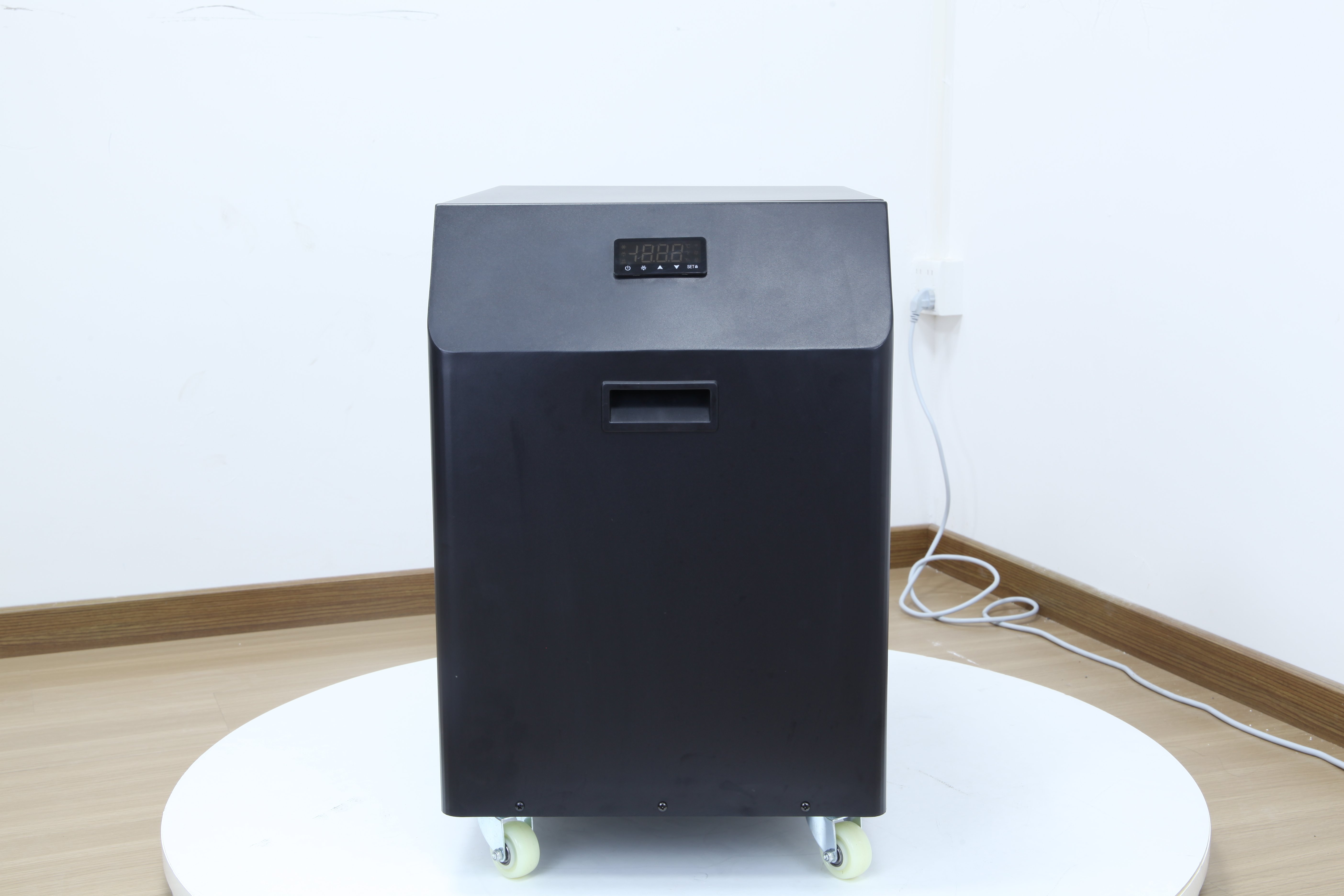
Before a cold plunge chiller reaches your facility, it undergoes rigorous testing to verify performance, safety, and durability. These pre-shipment tests are not optional formalities—they are critical safeguards that determine whether your cold plunge chiller will deliver consistent, reliable ice bath therapy from day one. Understanding what tests matter helps you verify that your investment meets industry standards and your specific wellness requirements.
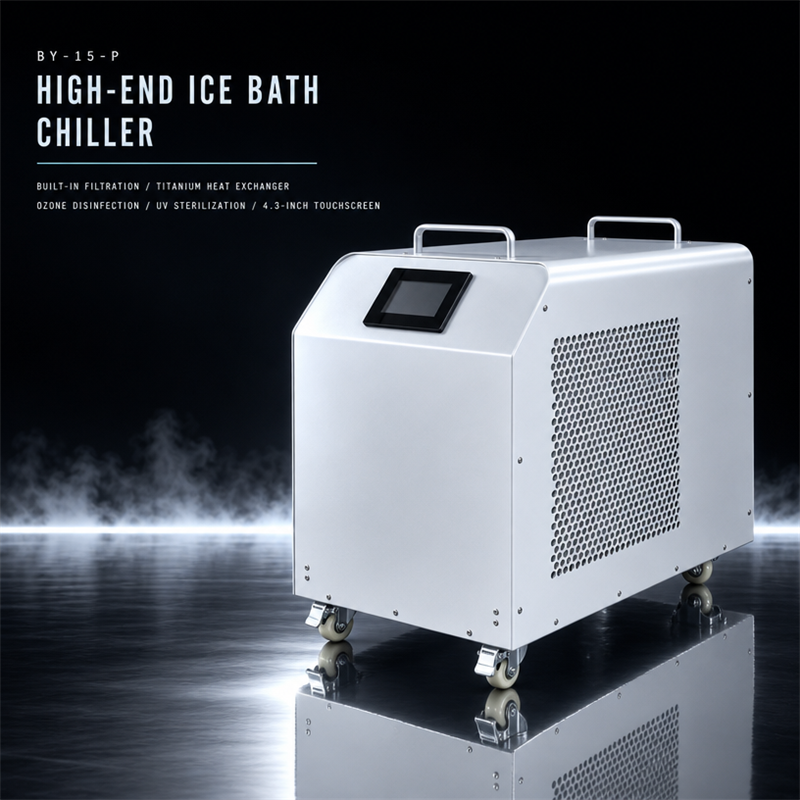
Manufacturers implement comprehensive quality assurance protocols during production to catch defects early and ensure every unit functions as specified. The testing process spans refrigeration performance, electrical safety, structural integrity, and sterilization system effectiveness. Each test phase eliminates potential issues before shipment, reducing the risk of malfunction after delivery and protecting both the manufacturer's reputation and your operational continuity.
Refrigeration Performance Testing
Cooling Capacity and Temperature Stability
The most fundamental test for any cold plunge chiller verifies its ability to reach and maintain target temperatures. Technicians fill the chiller with water and measure cooling speed, final temperature achievement, and temperature fluctuation over extended operation. This testing confirms that the compressor, condenser, and evaporator work in harmony to deliver consistent ice bath conditions. A cold plunge chiller that cannot maintain stable temperatures fails its primary function, making this test non-negotiable before shipment.
Quality assurance teams document temperature data across multiple cycles to identify thermal inconsistencies that might indicate refrigerant leaks, compressor inefficiency, or sensor errors. Real-world performance variability of even two to three degrees can significantly impact user experience and therapeutic consistency. This data becomes part of the unit's quality documentation and serves as a baseline for future service comparisons.
Refrigerant Leak Detection
Refrigerant leaks compromise cooling performance and pose environmental and safety risks, making leak detection an essential testing phase. Technicians pressurize the refrigeration circuit and use ultrasonic detectors or dye-based methods to identify microscopic leaks at seals, joints, and connection points. A cold plunge chiller with refrigerant leakage cannot maintain performance over time and will require costly repairs shortly after shipment, making this test critical for both buyer and seller protection.
Proper pressure testing also ensures the system can safely contain refrigerant under operating loads without structural failure. Any unit that fails leak detection is reconditioned or rejected before reaching shipment logistics, preventing defective equipment from reaching end users.
Electrical Safety and Component Testing
Voltage and Grounding Verification
Every cold plunge chiller undergoes electrical safety testing to verify proper voltage supply compatibility, grounding integrity, and circuit breaker functionality. Technicians apply the specified voltage and confirm the unit operates safely without electrical faults. Faulty grounding or voltage incompatibility creates shock hazards and fire risks, making electrical testing fundamental to user safety and regulatory compliance before shipment.
Testing also verifies that power protection devices respond correctly to electrical overloads or faults. These safety mechanisms prevent equipment damage and protect facility infrastructure, so their proper function must be confirmed during quality assurance phases.
Control System and Display Functionality
Modern cold plunge chillers include digital controllers, temperature displays, and automated safety shutoffs. Testing confirms that all control interfaces respond correctly to user input, display accurate temperature readings, and trigger emergency shutdowns when needed. A malfunctioning control system compromises both usability and safety, so this testing is mandatory for every unit before shipment.
Technicians simulate various operating scenarios and error conditions to verify that the chiller responds appropriately to alarms, temperature anomalies, and low water level conditions. This comprehensive control system testing ensures end users receive fully functional, intuitive equipment.
Water Quality and Sterilization System Testing
Filtration and Circulation Performance
A cold plunge chiller's water quality system directly impacts hygiene and device longevity. Testing verifies that filtration cartridges remove particulates effectively and that water circulation maintains consistent flow rates. Sediment accumulation and poor circulation compromise both water clarity and cooling efficiency, so this testing confirms the entire water management system functions correctly before shipment.
Quality assurance teams measure pressure drop across filters and verify circulation pump performance against specification. Any filtration deficiency is corrected immediately, ensuring buyers receive equipment that maintains clean, safe water for therapeutic use.
UV and Ozone Sterilization Validation
UV and ozone sterilization systems eliminate bacteria and maintain water purity, making their effectiveness critical for health and safety. Pre-shipment testing verifies that UV lamps emit adequate radiation intensity and that ozone generation operates at specified output levels. Non-functional or underperforming sterilization systems allow microbial growth, creating health risks that become apparent only after extended use, so this testing must occur before shipment.
Technicians measure UV light output and ozone concentration to confirm both systems meet performance standards. Any sterilization component falling below specification is replaced or recalibrated before the cold plunge chiller leaves the facility.
Structural Integrity and Durability Testing
Beyond functional systems, testing also verifies the cabinet's structural integrity and assembly quality. Technicians inspect welds, seals, and fasteners for defects that could cause leaks, collapse, or component failure during operation. A cold plunge chiller's cabinet must withstand water weight, thermal stress, and daily use without degradation, making structural testing essential for long-term reliability.
Pressure testing of the basin confirms it holds water safely without cracks or seepage. Any structural deficiency is addressed through rework or unit rejection, ensuring only sound equipment reaches shipment docks.
FAQ
What happens if a cold plunge chiller fails pre-shipment testing?
Units that fail testing are removed from the shipment queue for repair or recondition work. Defective components are replaced, systems are recalibrated, and the chiller undergoes retesting until it meets all quality standards. Only equipment that passes all testing phases is approved for shipment to buyers.
How long does the complete testing process take for a cold plunge chiller?
Comprehensive quality testing typically requires several days per unit, including cooling stabilization, electrical verification, control system validation, and sterilization system confirmation. This timeframe ensures thorough detection of defects before the chiller leaves the manufacturing facility.
Can buyers request additional testing documentation for their cold plunge chiller?
Most manufacturers provide test reports documenting temperature performance, electrical compliance, and component functionality. Requesting detailed testing documentation during purchase protects your interests and confirms the unit met factory standards before shipment.
 EN