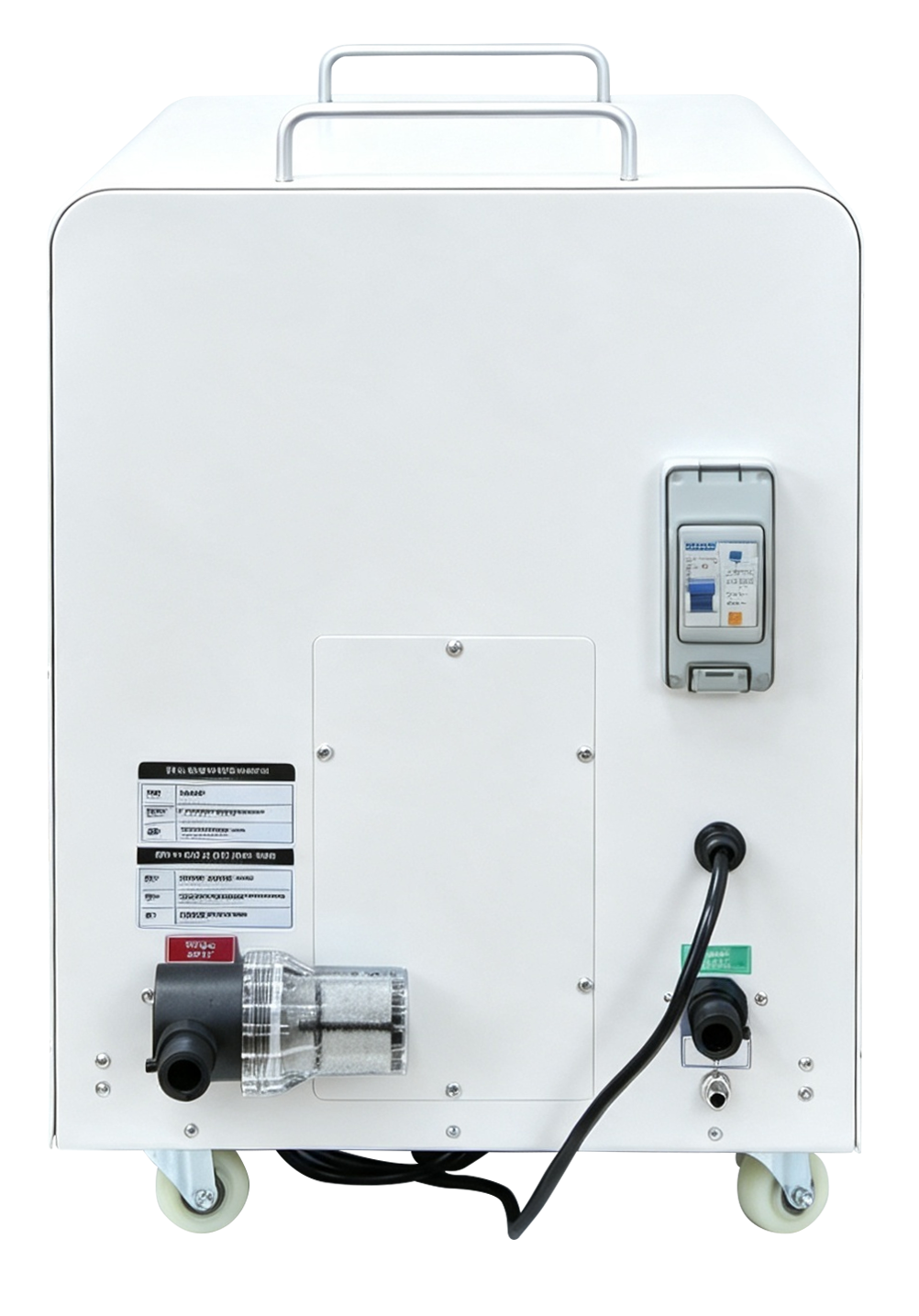
Shipping an ice bath chiller without comprehensive pre-shipment verification exposes manufacturers and distributors to significant liability, performance failures, and customer dissatisfaction. Product testing before shipment is not optional—it is a fundamental operational requirement that protects brand reputation and ensures end-user safety. Every ice bath chiller must undergo rigorous quality control protocols to confirm that cooling capacity, temperature precision, safety mechanisms, and build durability meet specification standards.

The stakes of inadequate product testing are substantial in the wellness and therapeutic equipment industry. Defective ice bath chillers can fail during customer use, cause water damage, create electrical hazards, or deliver unreliable temperature performance that undermines the therapeutic experience. A systematic approach to quality control during the manufacturing stage, combined with validation testing before shipment, ensures that every unit leaving the facility meets performance benchmarks and regulatory standards. This article outlines the critical testing protocols that responsible manufacturers implement.
Functional Performance Testing
Temperature Accuracy and Stability Testing
The core function of an ice bath chiller is precise temperature delivery, making this the primary focus of product testing protocols. Before shipment, each unit must demonstrate consistent temperature control within the manufacturer's specified tolerance range, typically ±1°C or tighter. Testing involves running the chiller through a full cycle—starting from ambient temperature, cooling to target, maintaining that temperature over extended periods, and cycling through multiple on-off sequences to verify temperature stability.
Quality control teams use calibrated thermometers and data logging equipment to document temperature performance in real time. The ice bath chiller must reach target temperature within the expected timeframe and maintain it without excessive fluctuation. Testing also includes stress scenarios such as rapid ambient temperature changes or extended runtime to ensure the cooling system responds predictably. Any deviation beyond tolerance triggers equipment recalibration or component replacement before shipment.
Cooling Capacity Verification
Product testing must verify that the ice bath chiller delivers the rated cooling capacity under load. This involves filling the reservoir with water at a known starting temperature and measuring how quickly the chiller reduces it to target temperature. The test accounts for the chiller's horsepower rating and expected performance under standard operating conditions. Undersized or degraded cooling capacity indicates compressor failure, refrigerant leakage, or circulation pump malfunction—all of which must be resolved before shipment.
Safety System Verification
Electrical Safety and Insulation Testing
Quality control procedures must include comprehensive electrical safety testing before any ice bath chiller leaves the facility. This includes insulation resistance testing to verify that electrical components are properly isolated from water exposure and conductive surfaces. Ground continuity testing confirms that all metal components are properly grounded to prevent electrical shock hazards. Power supply stability testing ensures the chiller operates safely across the specified voltage range without triggering circuit breakers or damage.
Leakage current testing detects unintended electrical current flow that could create shock hazards. For an ice bath chiller used in wellness settings, electrical safety is non-negotiable because users often have wet hands or damp skin during operation. Rigorous product testing in this category protects end-users and shields manufacturers from liability claims related to electrical injury.
Water Containment and Leak Testing
An ice bath chiller operates in a wet environment, making water containment reliability essential. Quality control testing includes pressurized water tests to verify that all seals, connections, and tank welds withstand operational pressures without leaking. The reservoir is filled to capacity and cycled through multiple heating and cooling phases to stress test all connection points. Any visible moisture or drips trigger immediate inspection and repair before shipment.
Vibration and stress testing simulates real-world transportation and installation, ensuring that seals do not fail or shift during handling. The ice bath chiller's pump circulation system is tested at various flow rates to confirm that pressure spikes do not exceed safe limits or damage internal components. This rigorous product testing prevents customer site flooding and equipment damage after delivery.
Overflow and Drain System Testing
Quality control must verify that overflow protection and drain systems function correctly under all operating conditions. The ice bath chiller is tested with water levels at or above maximum capacity to confirm that excess water drains safely without backing up into electrical or mechanical components. Float switches and overflow outlets are tested multiple times to ensure reliable activation and proper water discharge paths.
Component Durability and Structural Integrity
Compressor and Refrigeration Cycle Testing
The compressor is the heart of an ice bath chiller, making it the focus of intensive product testing and quality control procedures. Before shipment, compressors are run under load for extended periods—typically 4 to 8 hours—to detect early signs of failure, unusual vibration, or noise that indicates bearing wear or internal damage. Refrigerant pressure and flow rates are continuously monitored to ensure the compressor is functioning within normal operating parameters.
Acoustic testing detects abnormal sounds that signal compressor distress. Vibration analysis identifies imbalance or mechanical defects before they catastrophically fail during customer use. The ice bath chiller's refrigeration cycle is tested in multiple temperature conditions to verify performance across seasonal variations. Any compressor showing borderline performance is replaced entirely rather than shipped, ensuring reliability after delivery.
Pump and Circulation System Testing
The circulation pump in an ice bath chiller must reliably move water through the cooling loop without cavitation, leakage, or performance degradation. Quality control testing runs the pump at various speeds and flow rates while monitoring outlet pressure, motor current draw, and noise levels. Vibration sensors confirm the pump is properly balanced and mounted. Any deviation from normal operating signature triggers pump replacement or mechanical realignment before shipment.
Build Quality and Material Verification
Visual inspection and destructive testing protocols verify that every ice bath chiller meets material standards and build quality specifications. Welds on the refrigeration loop and tank are inspected using ultrasonic and visual methods to confirm structural integrity. Plastic and rubber components are tested for chemical compatibility with coolant and water to prevent degradation or leaching over time. Fasteners are verified for correct torque and corrosion resistance, particularly in areas exposed to moisture.
Environmental and Operational Stress Testing
Temperature Extremes and Cycling
Product testing includes environmental chamber testing where the ice bath chiller operates in temperature extremes simulating worst-case shipping and storage conditions. Units are cycled between low and high temperatures to stress all components and verify no cracking, seal separation, or performance loss occurs. Thermal cycling also reveals solder joint failures and component fatigue that might emerge during the customer's first season of use.
Vibration and Transportation Simulation
Before shipment, an ice bath chiller must survive the mechanical stresses of transportation. Quality control includes vibration table testing that simulates truck transport conditions, reproducing the frequencies and amplitudes encountered during logistics. The chiller is run through full thermal cycles while mounted on the vibration table to confirm that no connections loosen, no leaks develop, and no component failures occur. This shipment-focused testing significantly reduces field failure rates after delivery.
Documentation and Traceability
Test Records and Compliance Documentation
Responsible product testing requires complete documentation of every quality control test performed on each ice bath chiller unit before shipment. Serial numbers link individual units to test data, creating traceability that supports warranty claims and failure investigations. Test records include temperature logs, electrical safety measurements, pressure readings, and visual inspection photos. This quality control documentation proves compliance with industry standards and protects manufacturers in liability disputes.
FAQ
What are the minimum product testing requirements before ice bath chiller shipment?
Minimum product testing includes temperature accuracy verification, cooling capacity confirmation, electrical safety testing, water containment and leak detection, compressor and pump function validation, and visual structural inspection. Quality control procedures should also include environmental stress testing and vibration simulation to predict real-world performance. Documentation of all test results creates essential traceability and compliance records for every ice bath chiller shipped.
How does quality control testing reduce field failures and warranty claims?
Rigorous product testing before shipment catches defects at the manufacturing stage when they are least costly to repair. By validating temperature precision, electrical safety, water containment, and component durability before delivery, manufacturers eliminate units that would otherwise fail within weeks of customer use. Quality control procedures focused on real-world stress conditions—like vibration simulation and thermal cycling—reveal weaknesses that emerge in actual service. This preventive approach reduces warranty claims by 80 to 90 percent compared to minimal testing strategies.
Why is an ice bath chiller's pre-shipment quality control critical for user safety?
An ice bath chiller combines water exposure, electrical components, and high-pressure refrigeration systems, creating multiple hazard scenarios. Pre-shipment product testing verifies electrical isolation, water containment integrity, and safe pressure limits to prevent electrical shock, water damage, or refrigerant leakage at the customer site. Quality control testing also confirms that the chiller does not malfunction unexpectedly during use, protecting end-users from burns, equipment damage, or hazardous situations. Comprehensive testing before shipment is ultimately a safety responsibility that manufacturers owe to customers.
 EN