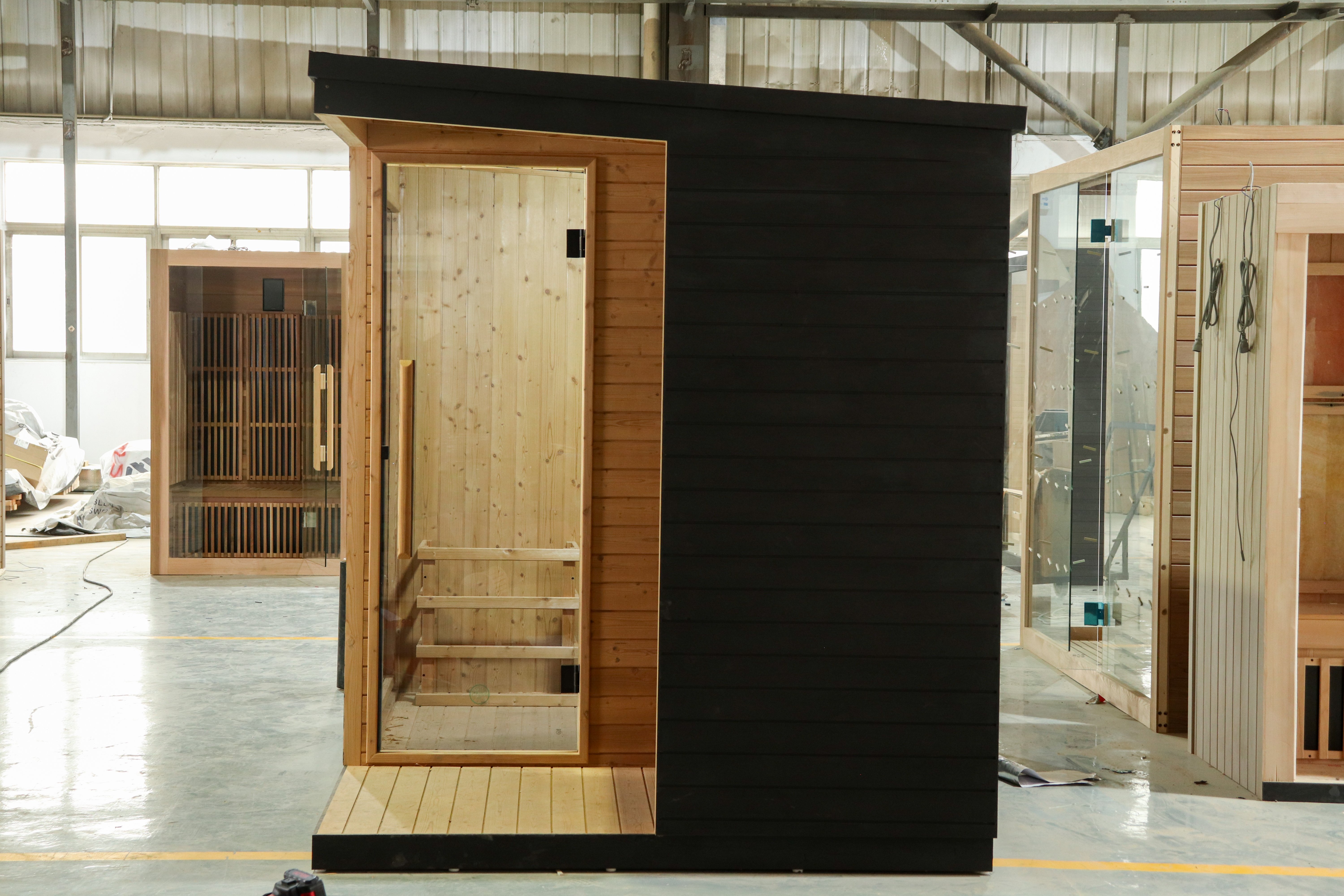
As a wellness distributor, evaluating sauna rooms requires a strategic approach that goes beyond aesthetics. Your customers expect quality, durability, and real health benefits, which means your product selection directly impacts both your reputation and revenue. Successful distributors understand that sauna rooms represent a significant investment for end-users, so offering well-considered options with solid construction and reliable performance is essential for building long-term business relationships in the wellness market.
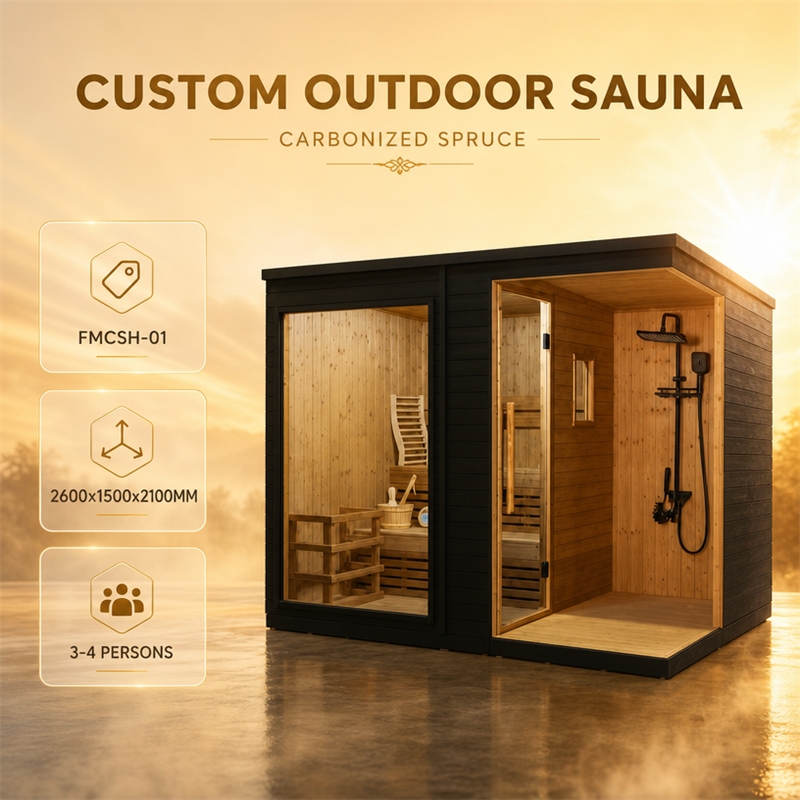
The wellness market continues to grow as consumers prioritize health and self-care at home. Distributors who understand the critical factors in sauna room evaluation gain competitive advantage and earn customer trust. This guide outlines the key selection criteria that separate premium offerings from mediocre ones, helping you make informed procurement decisions for your distribution business.
Material Quality and Construction Standards
Wood Type and Durability
The material foundation of any sauna room determines its lifespan and customer satisfaction. High-quality wood species like carbonized spruce, Canadian cedar, or Nordic pine resist warping, rot, and insect damage while delivering the authentic sauna experience customers seek. When evaluating sauna rooms, examine the wood grade, thickness, and pre-treatment processes. Premium materials cost more initially but generate fewer warranty claims and replacement issues, protecting your distributor margin and reputation long-term.
Insulation and Thermal Efficiency
Proper insulation directly affects operating costs for your customers and influences repeat purchases. Sauna rooms with high-quality insulation systems reach temperature targets faster and maintain heat with less energy consumption. This efficiency makes the product more attractive to price-conscious buyers and environmentally aware segments in the wellness market. Request technical specifications on insulation materials, R-values, and thermal performance data before committing to distributor inventory.
Features, Safety, and Compliance
Heating Technology and Controls
Modern sauna rooms offer various heating options, including traditional wood-burning stoves, electric heaters, and infrared systems. Each technology appeals to different customer segments within the wellness market. Electric models provide convenience and consistent temperature control, while wood-burning options attract traditionalists seeking authentic experience. As a distributor, understanding the heating technology differences helps you match product selection to specific customer needs and market demand patterns.
Safety Features and Certifications
Safety certifications and built-in protection systems are non-negotiable for distributor product selection. Look for sauna rooms meeting electrical safety standards, temperature limiting devices, emergency shutoffs, and proper ventilation requirements. Certified products reduce liability exposure for both you and your customers, making them more marketable and reducing potential warranty disputes. Verify that manufacturers provide third-party testing documentation and compliance certifications before purchasing for your distributor network.
Customization, Capacity, and Market Fit
Size Options and Indoor-Outdoor Versatility
Successful distributors recognize that different customers have different space constraints and lifestyle preferences. Offering sauna rooms in various sizes—from compact 2-person models to larger 6-person installations—expands your addressable market and increases sales opportunities. Consider models designed for both indoor and outdoor placement, as this flexibility appeals to diverse customer segments in the wellness market. Outdoor sauna rooms in particular attract homeowners with garden space, pools, or resort-style properties.
Customization and Aesthetic Options
Today's consumers want sauna rooms that match their home décor and personal style. Distributors who stock products offering wood finish variations, interior design options, and accessory choices outperform those offering one-size-fits-all solutions. The sauna rooms market increasingly demands customization capability, so evaluate manufacturers who provide flexible configurations and upgrade paths. This product selection strategy increases average transaction value and customer satisfaction simultaneously.
Pricing, Support, and Distributor Margins
Cost Structure and Competitive Positioning
Distributor profitability depends on balancing quality with competitive pricing. When evaluating sauna rooms, analyze the manufacturer's cost structure, wholesale terms, and volume discounts. Products offering strong margins while maintaining perceived value help your distribution business remain profitable during market fluctuations. Request detailed pricing schedules, minimum order quantities, and payment terms before committing inventory capital.
Manufacturer Support and Training
Strong manufacturer partnerships enhance distributor success. Evaluate whether potential suppliers provide sales training, installation guidance, technical documentation, and responsive customer support. Manufacturers who invest in distributor success offer marketing materials, warranty support, and troubleshooting resources that reduce your operational burden. In the wellness market, reliable manufacturer backing becomes a key competitive differentiator between quality distributors and marginal players.
FAQ
What material is best for sauna rooms in residential settings?
Carbonized softwoods like spruce and quality cedar excel for residential sauna rooms because they resist moisture damage, look attractive, and offer excellent insulation properties. These materials balance durability, aesthetics, and cost-effectiveness for the consumer wellness market. Hardwoods like oak are more expensive but suit premium segments. As a distributor, stocking sauna rooms in multiple wood options lets you serve various customer budgets and preferences.
How do distributor margins compare across different sauna room manufacturers?
Margins vary significantly based on manufacturer positioning, production scale, and market segment. Premium brands targeting luxury wellness buyers typically offer 25-35% distributor margins, while value-oriented manufacturers may provide 15-20%. Evaluate total value—including support, warranty, and repeat customer potential—rather than margin percentage alone. Strategic distributor product selection balances immediate profitability with long-term relationship strength in your wellness market.
What certifications should sauna rooms have for distributor confidence?
Look for electrical safety certifications (ETL, CSA, or CE marks), building code compliance documentation, and third-party performance testing. These credentials protect both your distributor liability and customer safety in the wellness market. Manufacturers providing transparent certification data and warranty support demonstrate quality commitment. When evaluating sauna rooms, request complete compliance documentation before making distributor purchase commitments.
 EN