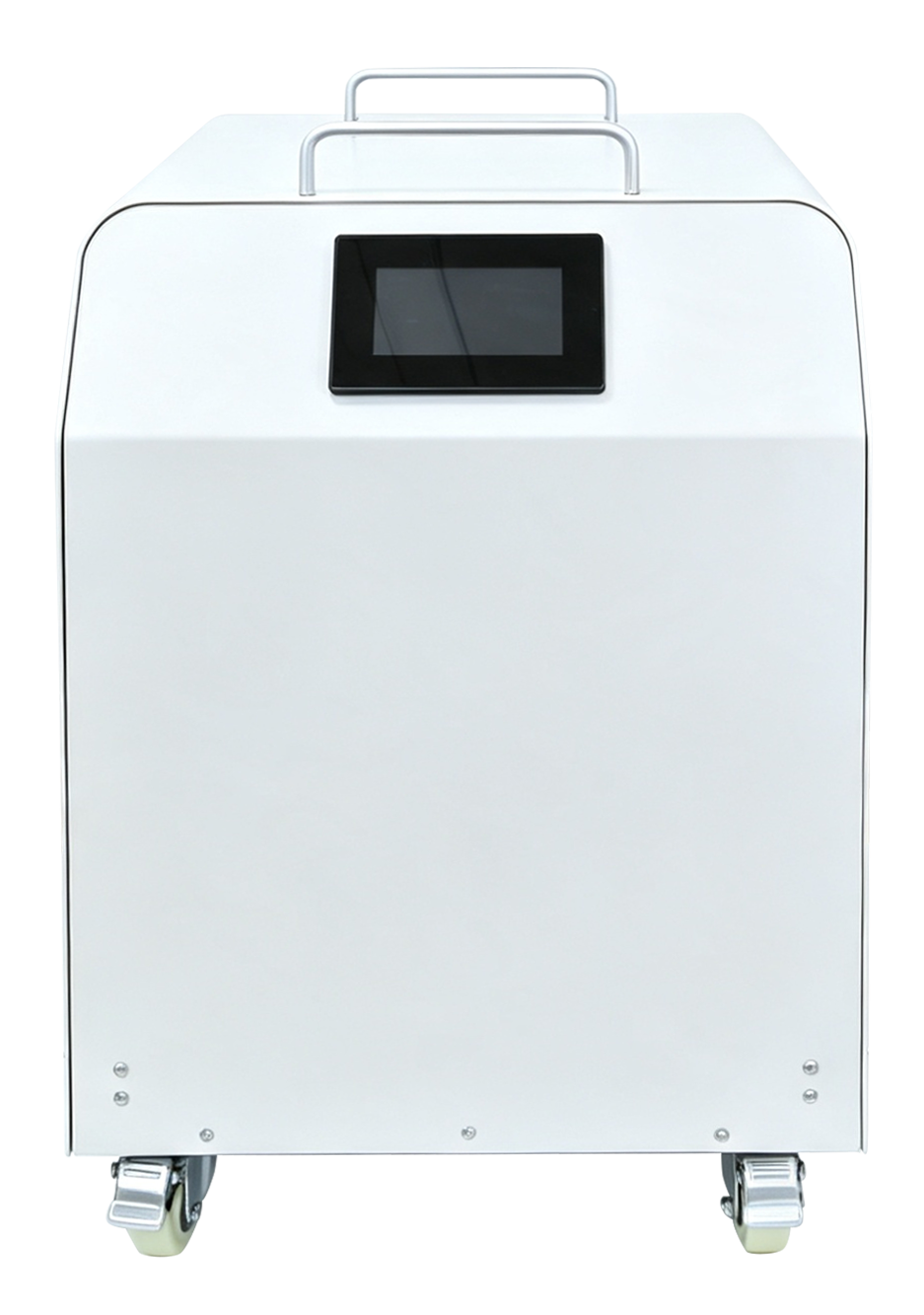
Recovery centers are experiencing unprecedented demand for cryotherapy and cold immersion therapies. As facilities grow and client expectations rise, many recovery center operators face a critical business decision: expanding their ice bath capacity. This decision involves far more than simply purchasing additional tubs. A strategic approach to ice bath expansion requires careful evaluation of multiple factors, from electrical infrastructure and plumbing systems to refrigeration capacity and operational workflows. Understanding these considerations upfront helps recovery centers avoid costly mistakes and ensure sustainable growth.
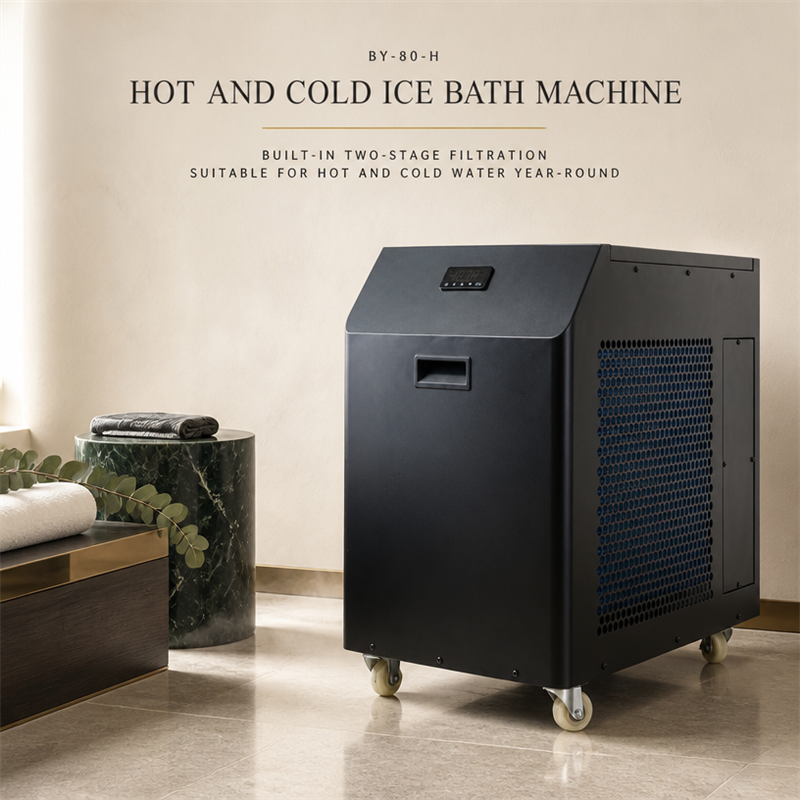
Capacity planning for an ice bath expansion project requires detailed site assessment and long-term operational forecasting. Recovery centers must evaluate their current usage patterns, project future demand, and determine whether incremental additions or comprehensive system upgrades make the most financial and operational sense. This article explores the essential factors that recovery center managers and owners should consider when planning an ice bath capacity expansion.
Infrastructure and Facility Assessment
Electrical Supply Requirements
One of the most overlooked aspects of ice bath expansion is the electrical infrastructure demand. Commercial ice bath systems, particularly those used in recovery center settings, require significant power consumption. Each ice bath unit with proper refrigeration and circulation systems typically demands 208V to 480V three-phase power. Before committing to capacity expansion, recovery centers must conduct a complete electrical audit to determine whether existing service panels can support additional load.
Adding new units without adequate electrical infrastructure leads to circuit overloads, frequent breaker trips, and potential safety hazards. Many facilities discover too late that electrical upgrades represent the single largest capital investment in their expansion project. Recovery center managers should consult with licensed electricians and verify that utility service to the building can accommodate expanded demand. In some cases, facilities may need to upgrade the main service entrance or negotiate higher service capacity with their utility provider, which can add months to project timelines.
Plumbing and Water Infrastructure
Cold water supply and drainage systems must be evaluated comprehensively during capacity planning. Each recovery center ice bath unit requires both fresh water inlet for initial fill and ongoing top-off, plus reliable drain capacity for water changes and maintenance. Facilities must verify that existing water pressure remains adequate when multiple units operate simultaneously. Insufficient water pressure compromises the filling process and can stress circulation systems.
Drainage capacity is equally critical. Many recovery centers operate in older buildings where plumbing was sized for original occupancy, not expanded therapeutic equipment. Oversized drain systems prevent proper water circulation temperature control. Recovery centers should engage a qualified plumbing contractor to map existing lines, calculate flow rates, and identify necessary upgrades before expansion.
Refrigeration System Capacity and Cooling Strategy
Chiller System Sizing and Performance
The refrigeration system represents the heart of any ice bath capacity expansion strategy. Recovery centers must understand that simply adding more tubs without proportional cooling capacity creates operational failures. A commercial ice bath chiller must be sized to cool all units to target temperatures, typically 41 to 59 degrees Fahrenheit, even during peak simultaneous usage periods. Undersized chillers result in slow cool-down times, temperature inconsistency, and client dissatisfaction.
Recovery center managers must calculate total water volume across all ice bath units and determine the chiller tonnage required to maintain temperature setpoints under continuous operation. This calculation should account for ambient temperature variations, seasonal changes, and the facility's climate control. In hot climates or during summer months, recovery centers may need chiller systems with 20 to 30 percent greater capacity than minimum calculations suggest to maintain reliable performance.
Redundancy and System Reliability
Many recovery centers overlook the importance of refrigeration redundancy when planning capacity expansion. If a single large chiller fails, the entire ice bath operation stops until repairs are completed. Facilities with multiple smaller chiller units or a primary unit plus standby capacity maintain service continuity during maintenance or equipment failure. This redundancy approach adds capital cost but protects revenue and client retention.
Recovery center operators should evaluate whether modular chiller systems make sense for their expansion plan. Modular systems allow gradual capacity additions aligned with revenue growth and facility expansion timelines. They also provide operational flexibility, enabling the facility to perform maintenance on one unit while others continue operating.
Operational Workflow and Space Planning
Physical Layout and Client Flow
Expanding recovery center ice bath capacity requires thoughtful facility layout planning. New units must be positioned to support logical client workflow, from pre-therapy preparation areas through immersion stations to post-therapy recovery zones. Poor layout decisions create bottlenecks, reduce client satisfaction, and limit actual throughput despite theoretical capacity increases. Recovery centers should map current traffic patterns and identify how new ice bath stations integrate into the overall client experience.
Space constraints often force challenging decisions. If existing facility square footage cannot accommodate optimal spacing around new ice bath units, recovery centers may need to renovate adjacent areas, relocate other equipment, or even expand the building footprint. These hidden costs frequently exceed initial equipment purchase estimates and should be part of comprehensive capacity planning analysis.
Staffing and Operational Capacity
Expanding ice bath capacity requires corresponding staffing adjustments. Recovery centers cannot simply add tubs without addressing personnel needs for client supervision, equipment maintenance, water quality monitoring, and cleaning protocols. Each facility must determine the staff-to-unit ratio that maintains safety standards, client comfort, and equipment longevity. Understaffing during expansion creates quality issues and liability exposure.
Staff training also becomes critical. New equipment types or expanded unit configurations require technician familiarity with troubleshooting, maintenance schedules, and emergency procedures. Recovery centers should budget for comprehensive training programs and technical support contracts when expanding ice bath capacity and related infrastructure.
FAQ
What electrical upgrades do recovery centers typically need for ice bath expansion?
Most recovery center expansions require evaluation of main service capacity, circuit breaker capacity, and dedicated line sizing for refrigeration equipment. Commercial ice bath systems often need 208V or 480V three-phase service. Facilities may need to upgrade utility service entrance, add new sub-panels, or negotiate higher service capacity with their utility provider. A licensed electrician should assess current capacity before expansion planning begins.
How should recovery centers calculate proper chiller capacity for their ice bath expansion?
Recovery centers must multiply total water volume across all ice bath units by the temperature rise desired per hour, then select a chiller with sufficient tonnage to maintain target temperatures during peak usage. Calculations should account for ambient temperature, seasonal variation, and a safety margin of 20 to 30 percent. Consulting with refrigeration engineers ensures accurate sizing that prevents undersized systems and operational failures during capacity expansion.
Why is redundancy important when expanding ice bath capacity at recovery centers?
Redundancy ensures service continuity if equipment fails. Single-point refrigeration failures completely stop ice bath operations and disappoint clients. Multiple smaller chillers or a primary unit with standby capacity maintains client service during maintenance or emergency repairs. This approach protects recovery center revenue and reputation, making it worthwhile despite additional capital investment during expansion projects.
 EN