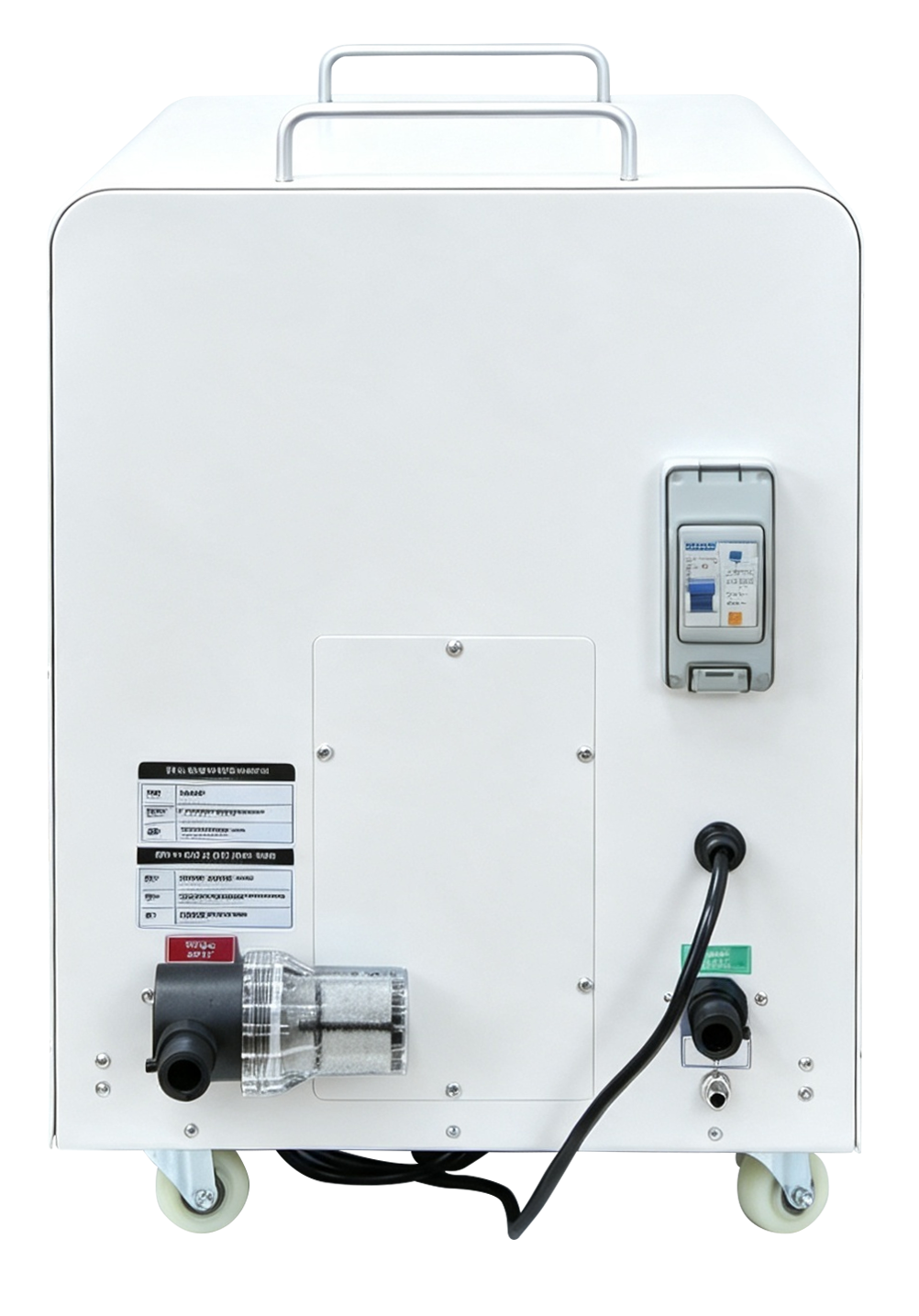
Importing an ice bath chiller from overseas markets requires careful planning and strategic decision-making. Whether you're a distributor, retailer, or end-user looking to source internationally, understanding the critical factors before committing to a purchase can save significant time and capital. An ice bath chiller is a specialized thermal management device used across wellness, sports recovery, medical, and industrial applications, and sourcing one globally introduces unique complexities that domestic purchases do not.

As an importer evaluating overseas sourcing options for ice bath chillers, you must assess regulatory compliance, technical specifications, supply chain logistics, and long-term support arrangements. The B2B landscape for importing thermal equipment has become increasingly sophisticated, with manufacturers offering diverse specifications, pricing models, and service frameworks. This guide walks you through the essential knowledge importers need before placing orders with international suppliers.
Understanding Regulatory and Compliance Requirements
International Electrical and Safety Standards
Every importer must verify that an ice bath chiller meets the electrical and safety standards required in the destination market. Overseas sourcing introduces the challenge of voltage compatibility, certification differences, and regional safety regulations. Units manufactured for Asian markets may operate at different electrical frequencies or safety protocols than those required in North America or Europe. Before importing, confirm that the ice bath chiller carries relevant certifications such as UL, CE, FCC, or equivalent bodies depending on your target market.
Compliance documents must be obtained directly from the manufacturer and validated independently. Many overseas suppliers provide certificates that may not be recognized by local authorities, creating costly delays at customs or during deployment. Request full technical documentation, including material safety data sheets, electrical schematics, and third-party test reports. This documentation protects your importer liability and ensures the ice bath chiller will pass regulatory inspections upon arrival.
Import Duties, Tariffs, and Documentation
Overseas sourcing involves navigating complex tariff classifications and import duties. An ice bath chiller typically falls under specific HS codes that determine applicable tariffs, and these classifications can vary by country. Before committing to an order, consult with a customs broker or trade compliance specialist to calculate total landed costs accurately. Hidden duties, value-added taxes, and documentation fees frequently surprise importers who base decisions on ex-factory pricing alone.
The importer must also ensure all shipping documentation is complete and accurate. Misclassified goods, incomplete invoices, or missing certificates of origin can trigger customs holds or rejections. Establish clear communication with the overseas supplier about documentation requirements and timelines to prevent delays that increase carrying costs and supply chain risk.
Technical Specifications and Sourcing Considerations
Performance Parameters and Application Fit
When evaluating an ice bath chiller for overseas sourcing, define the exact performance requirements before engaging suppliers. Temperature range, cooling capacity in BTU or watts, water purity standards, and circulation rates directly impact end-user satisfaction and operational reliability. Different ice bath chiller models serve distinct market segments—luxury wellness facilities may prioritize compact design and quiet operation, while commercial facilities prioritize durability and rapid temperature cycling.
Request detailed performance curves, efficiency ratings, and operating specifications from potential overseas suppliers. Verify that cooling capacity claims are tested under standard conditions and match real-world deployment scenarios. Many importers discover too late that overseas-sourced units underperform in their intended application due to specification mismatches or environmental factors not accounted for during selection.
Component Quality and Sourcing Strategy
The reliability of an ice bath chiller depends on component quality, and overseas sourcing introduces supply chain visibility challenges. Compressors, pumps, heat exchangers, and control systems source from multiple suppliers, and quality variation across manufacturers is significant. Establish whether the overseas supplier uses proprietary components or standard industrial parts that are serviceable globally. Standard components simplify warranty claims and replacement logistics; proprietary parts may lock you into single-source dependency.
Request the names and sourcing locations of critical component suppliers. Verify that replacement parts are available through authorized distributors in your market. An ice bath chiller with difficult-to-source components becomes a liability for importers who must manage customer support and warranty fulfillment.
Supply Chain, Logistics, and Long-Term Partnership Strategy
Shipping, Lead Times, and Inventory Planning
Overseas sourcing of an ice bath chiller involves longer lead times and higher logistics complexity than domestic sourcing. Lead times typically range from 8 to 16 weeks depending on production volume, component availability, and port congestion. Importers must build inventory forecasts that account for this latency, preventing stockouts or excess carrying costs. Port selection, shipping method, and packaging specifications also affect total delivery time and product condition at arrival.
Clarify with the overseas supplier whether shipping includes full-container load (FCL) discounts, palletization standards, and damage protection measures. Units damaged during transit or customs handling create customer satisfaction issues and warranty disputes. Request insurance and damage waiver terms before shipment to clarify liability between importer and supplier.
Technical Support and Warranty Alignment
Long-term success as an importer of an ice bath chiller depends on reliable after-sales support and warranty coverage. Overseas suppliers may offer limited warranty periods or geographic restrictions that complicate customer service. Confirm warranty duration, coverage scope, and support response times before ordering. Establish whether the overseas supplier will provide direct technical support, replacement parts shipments, and troubleshooting assistance in your language and time zone.
Many importers establish regional service centers or partner with local technicians to bridge support gaps when relying on overseas suppliers. This strategy improves customer satisfaction but requires additional investment and planning. Negotiate service level agreements that specify response times, replacement part delivery windows, and escalation procedures for complex technical issues affecting ice bath chiller performance.
FAQ
What certifications must an imported ice bath chiller carry?
An ice bath chiller imported into North America should carry UL, FCC, and EPA certifications where applicable. European markets require CE marking and compliance with relevant Machinery Directive standards. Always verify that certifications match your destination market requirements and that documentation is authentic. Contact certification bodies directly if documentation authenticity is uncertain, as counterfeit certificates are not uncommon in overseas sourcing.
How do importers verify product quality before placing overseas orders?
Request samples, factory audit reports, or third-party quality assessments from overseas suppliers before committing to large orders. B2B importers should demand performance testing data, material certifications, and component traceability documentation. Consider hiring a third-party inspection service to verify production quality and compliance before shipment. These investments protect against costly quality failures that damage importer reputation and increase return rates.
What hidden costs should importers anticipate when sourcing an ice bath chiller overseas?
Beyond ex-factory pricing, importers face tariffs, customs brokerage fees, port handling charges, insurance, and potential storage costs during customs clearance. Currency fluctuations can increase landed costs by 5 to 15 percent depending on payment terms and exchange rate exposure. Budget for compliance documentation, technical translation, and potential modifications to meet local electrical standards. Working with an experienced customs broker early in the sourcing process prevents surprises during logistics execution.
 EN