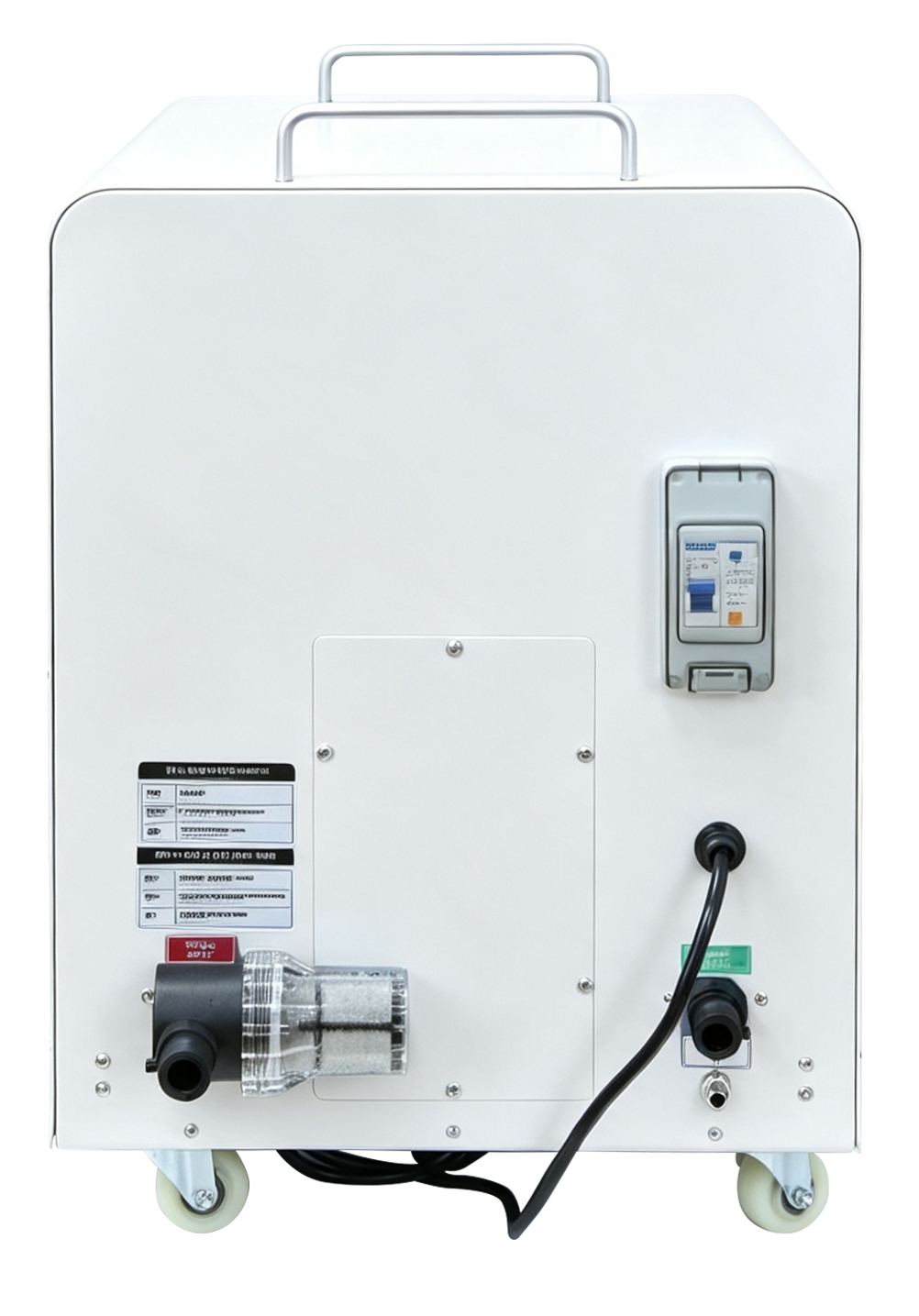
Importing a cold plunge chiller requires careful planning and technical knowledge to ensure you source a product that meets both regulatory standards and customer expectations. As an importer entering the cold plunge chiller market, you face unique sourcing challenges that extend beyond standard product evaluation. Understanding supplier capabilities, quality assurance processes, and international trade requirements is essential for building a sustainable import business in this emerging wellness sector.
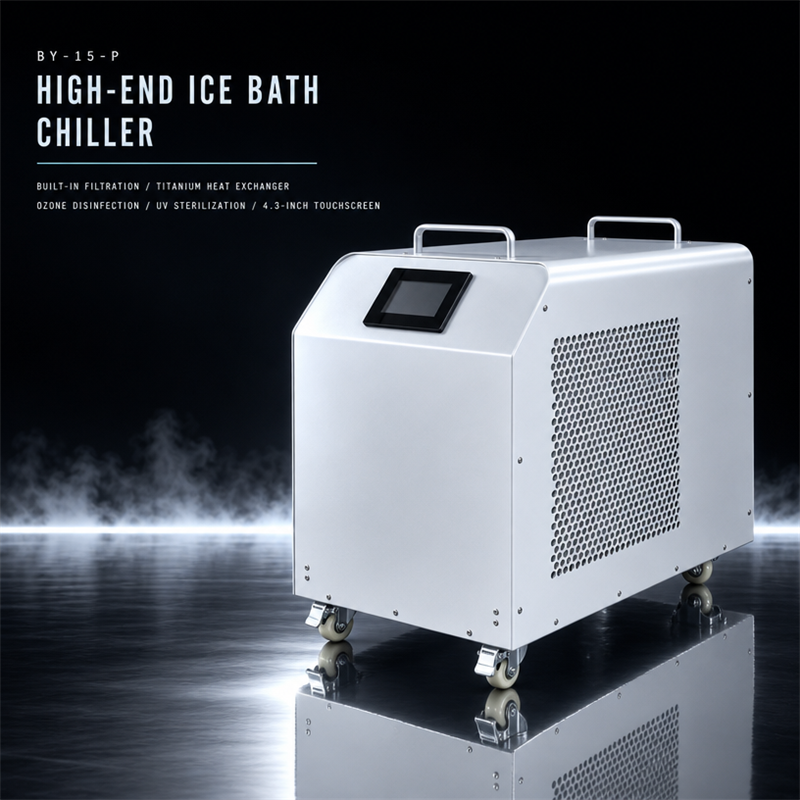
The global demand for cold plunge chillers has accelerated as wellness facilities, gyms, and luxury home owners seek temperature-controlled immersion systems. For importers, this growing market presents significant opportunities, but sourcing success depends on selecting the right manufacturing partners and understanding the regulatory landscape. This guide walks you through the critical factors that distinguish reliable cold plunge chiller sourcing from risky ventures.
Evaluating Supplier Capabilities and Manufacturing Standards
Technical Specifications and Performance Verification
When evaluating potential cold plunge chiller suppliers, technical specifications form your foundation for quality assessment. Reputable manufacturers provide detailed performance data including cooling capacity, temperature precision, energy efficiency ratings, and water circulation specifications. Request independent test reports or certifications that validate these claims, as importer confidence depends on verified performance metrics rather than sales promises. A reliable supplier should offer transparent documentation of their quality control processes and be willing to provide sample units for testing before placing large orders.
Certifications and Compliance Standards
As an importer, you must ensure that your cold plunge chiller sourcing includes verification of relevant certifications. Different markets require different compliance standards—North American importers need UL or ETL certification, European markets typically require CE marking, and other regions have specific electrical safety requirements. Quality suppliers maintain current certifications and can provide documentation proving ongoing compliance. Additionally, check whether the manufacturer adheres to ISO quality management standards, as this indicates systematic quality control throughout production. Your sourcing strategy should include requesting certification copies and verification contact information before committing to a purchase order.
Navigating International Trade and Logistics Considerations
Understanding Tariffs, Duties, and Trade Regulations
International trade for cold plunge chiller sourcing involves navigating complex tariff classifications and duty structures. Most countries classify chiller equipment under specific harmonized tariff codes that determine import duties and any applicable trade agreements. Research the specific tariff code for your target market—this classification affects your landed costs significantly. Many importers work with customs brokers or trade consultants familiar with the cold plunge chiller category to ensure proper classification and minimize unexpected duty charges. Understanding your market's trade agreements, whether bilateral, regional, or multilateral, can provide substantial cost advantages and streamline your sourcing process.
Shipping, Handling, and Quality Protection
The physical logistics of importing a cold plunge chiller requires special attention to protection and transportation methods. These units contain pressurized refrigeration systems, sensitive electronic controls, and water circulation components that demand careful handling. As an importer, coordinate with your supplier to ensure proper packaging, use of appropriate shipping methods, and adequate insurance coverage. Sea freight remains common for large volumes, but you must verify that the supplier uses reinforced packaging suitable for ocean transport. Additionally, establish clear responsibility boundaries for damage during transit—specify whether your supplier provides insurance coverage or whether you arrange third-party logistics insurance. Many experienced importers require sea trials or in-transit inspections to verify product condition before equipment reaches your warehouse.
Building Sustainable Sourcing Relationships and Risk Management
Supplier Vetting and Long-Term Partnerships
Successful cold plunge chiller sourcing depends on building relationships with suppliers who demonstrate consistent reliability and quality. Conduct thorough due diligence before committing to a supplier—verify their business registration, check client references, and request production facility visits if possible. An importer's sourcing strategy should include trial orders before scaling to larger volumes, allowing you to evaluate actual product quality, delivery reliability, and customer support responsiveness. Communication protocols matter significantly; establish clear expectations regarding order timelines, quality standards, technical support, and issue resolution processes. Long-term partnerships with reliable suppliers often provide better pricing, priority production slots, and greater flexibility for customization requests.
Quality Assurance and Post-Import Support
Your cold plunge chiller sourcing process must include quality assurance procedures before products reach end customers. Establish inspection protocols for incoming shipments—verify unit functionality, check for physical damage, and test performance parameters according to specification sheets. Clarify with your supplier whether they provide warranty support, technical troubleshooting assistance, and spare parts availability. Many importers arrange for representatives to visit supplier facilities periodically, reviewing production batches and quality control documentation. Building redundancy into your supply chain protects against disruptions; consider sourcing from multiple facilities or suppliers to minimize dependency risks. Clear documentation of all quality agreements and support arrangements prevents disputes and strengthens your business credibility with downstream customers.
FAQ
What certifications should I verify when sourcing a cold plunge chiller internationally?
Verify certifications appropriate to your target market—UL or ETL for North America, CE marking for Europe, and region-specific electrical safety standards for other markets. Request copies of current certifications and confirm renewal dates, as expired certifications indicate supplier oversight. ISO 9001 quality management certification and industry-specific standards for refrigeration equipment add additional assurance. Contact the certification bodies directly to verify authenticity if you have concerns about documentation legitimacy during your sourcing evaluation.
How do I calculate landed costs when importing a cold plunge chiller?
Landed cost includes the supplier's base price, freight charges, insurance, tariffs and duties based on your target market's classification, customs broker fees, and any taxes or handling charges at your destination port. Research your market's tariff code and applicable trade agreements to estimate duty percentages accurately. Factor in currency fluctuations if your sourcing involves forward contracts, and include storage or warehousing costs between import and distribution. Many importers use total cost of ownership calculations rather than just unit price to make accurate business decisions about supplier selection.
What should I include in a sourcing agreement with my cold plunge chiller supplier?
Include detailed product specifications, certification requirements, packaging standards, delivery timelines, payment terms, warranty periods, and liability arrangements for defective units. Specify quality inspection procedures, technical support expectations, and spare parts availability. Clarify intellectual property rights, confidentiality terms, and dispute resolution processes. Address force majeure clauses covering unforeseen disruptions, and establish communication protocols for issue resolution. A well-structured sourcing agreement protects both parties and provides clear reference points when sourcing challenges arise.
 EN