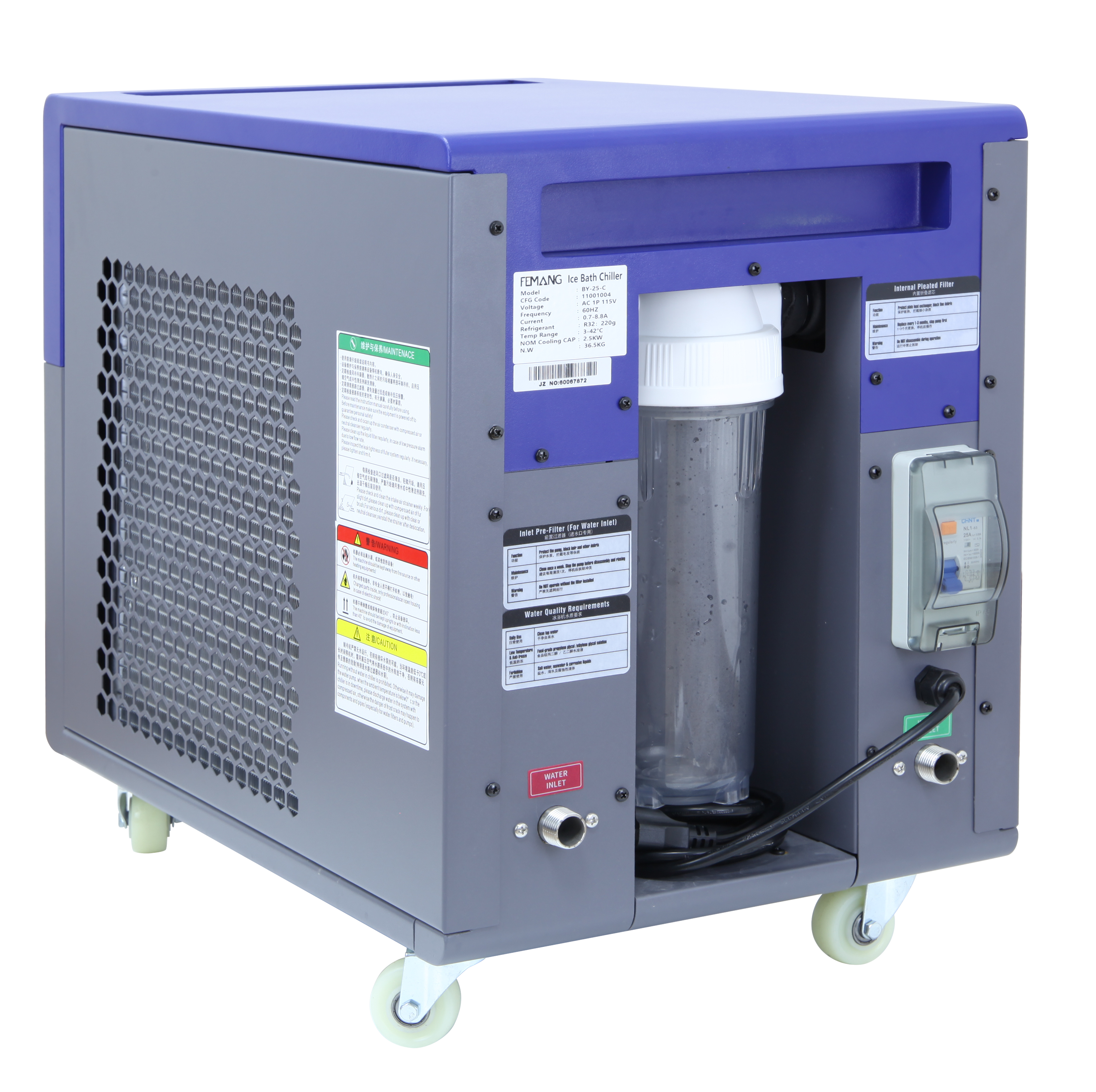
Adding an ice bath to your hotel property represents a significant investment in guest wellness amenities, but success requires careful planning and strategic consideration. Hotels today face increasing demand for recovery and wellness experiences, making an ice bath an attractive addition to spa and fitness offerings. However, the decision to install this facility extends far beyond simply purchasing equipment—it involves assessing guest demand, understanding operational complexity, evaluating space requirements, and ensuring long-term profitability. This guide explores the critical factors hotels must evaluate before committing to an ice bath installation.
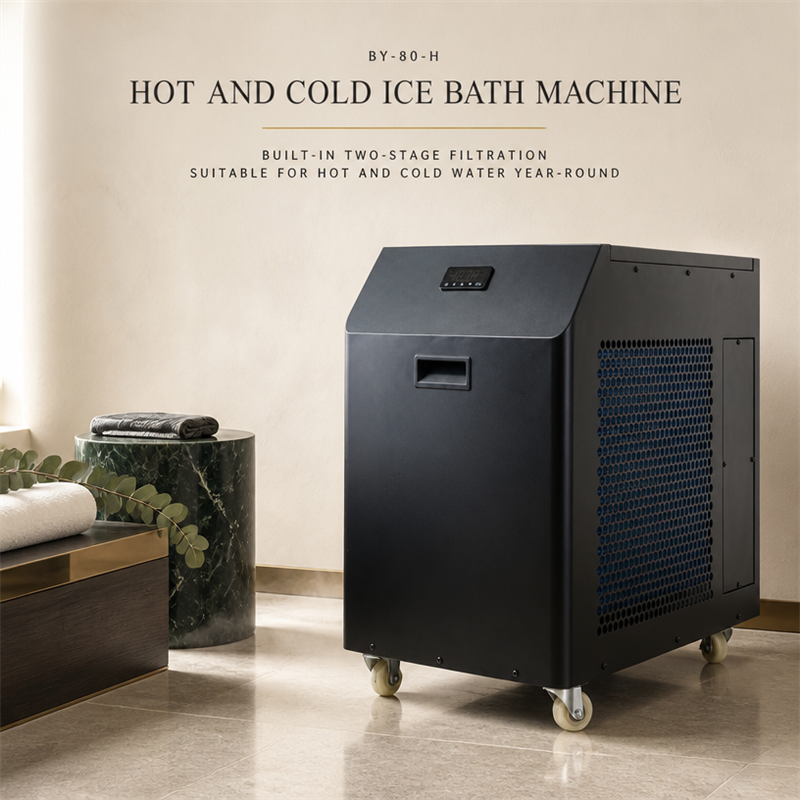
Hotels in wellness, sports tourism, and luxury markets can use ice baths to differentiate their properties and support premium pricing. However, hidden costs, regulations, and space constraints may create operational burdens. Assessing these factors helps align decisions with guest demographics and financial objectives.
Understanding Guest Demand and Market Positioning
Assessing Your Target Guest Profile
Before investing in an ice bath facility, hotels must first understand whether their clientele actively seeks cold immersion therapy. Guests attending sports tournaments, fitness retreats, or high-end wellness vacations represent prime candidates, while traditional leisure travelers may show limited interest. Market research specific to your region, seasonal patterns, and competitor offerings provides essential insight into whether your hotel's existing guest base will generate adequate usage and justify capital expenditure.
Consider conducting surveys with current guests and analyzing booking patterns to identify opportunity segments. Hotels in destinations known for athletic training, recovery-focused tourism, or premium wellness experiences typically see stronger ice bath adoption. Your facility planning strategy should directly align with these findings, ensuring that an ice bath becomes a natural extension of your existing wellness hotel positioning rather than an isolated amenity attracting minimal traffic.
Competitive Analysis and Brand Alignment
Evaluating what competitors offer informs whether adding an ice bath strengthens your hotel's unique value proposition or simply matches industry standards. Luxury hotels in certain markets have made cold immersion a baseline amenity, while others maintain differentiation through alternative wellness experiences. An ice bath facility works best when it aligns with your brand promise and supports your strategic positioning rather than represents reactive competition.
Hotels targeting wellness hotel guests or sports tourism can leverage an ice bath as a key marketing differentiator, potentially commanding premium rates and attracting niche revenue streams. However, properties positioned as casual or budget-friendly may find that capital investment in this facility does not generate corresponding return. Understanding your brand's wellness identity and guest expectations ensures the amenity genuinely enhances your competitive position.
Facility Planning and Infrastructure Requirements
Space, Utilities, and Installation Logistics
Successful facility planning requires honest assessment of available space, utility infrastructure, and installation feasibility. An ice bath installation demands dedicated floor space, proximity to electrical connections, adequate drainage, and often water line modifications that renovation budgets may underestimate. Hotels must evaluate whether existing spa areas, fitness centers, or locker room facilities can accommodate the equipment or whether new construction becomes necessary, fundamentally changing the financial equation.
Utility considerations extend beyond initial water supply and electrical capacity to ongoing operational demands. A ice bath facility requires substantial cooling power to maintain optimal temperatures, creating consistent demand on building systems and potentially requiring HVAC upgrades. Hotels in regions with harsh climates or limited electrical capacity may face prohibitive infrastructure costs that make facility planning economically unfeasible without significant capital investment.
Compliance, Safety, and Regulatory Standards
Health and safety regulations govern ice bath facilities across most jurisdictions, creating compliance requirements that hotel operators must understand before proceeding. Local health departments typically mandate specific water quality standards, temperature monitoring protocols, emergency procedures, and staff training certifications. Non-compliance exposes hotels to liability, fines, and reputational damage that can exceed the revenue generated by this amenity.
Hotels must engage legal counsel and health department officials during facility planning to ensure all operational protocols meet regulatory standards. This includes understanding requirements for guest health screening, contraindications documentation, lifeguard or attendant presence, emergency equipment access, and incident reporting procedures. Failure to incorporate these considerations into facility planning can transform an attractive wellness amenity into a compliance nightmare that diverts management attention and financial resources.
Operational Complexity and Staffing
Staff Training and Liability Management
Operating an ice bath facility demands trained personnel capable of monitoring guest safety, managing water quality, responding to medical emergencies, and maintaining equipment reliability. Hotels need staff training, certification, and ongoing education to maintain consistent operational standards. Beyond training, comprehensive liability insurance specifically covering ice bath facilities protects against injury claims, medical complications, or wrongful death scenarios that cold immersion therapy occasionally triggers.
Many hotels underestimate the staffing demands required to maintain an ice bath facility safely and professionally. Unlike passive amenities, an ice bath requires active supervision and may demand dedicated personnel during operating hours. This labor cost, often overlooked during initial financial projections, can significantly impact facility profitability and operational viability, making accurate staffing assessment critical during planning phases.
Maintenance, Water Quality, and Equipment Durability
Maintaining an ice bath facility involves ongoing water treatment, temperature calibration, filter replacement, and equipment servicing that extends well beyond simple pool maintenance. Hotels must establish preventative maintenance schedules, budget for parts and component replacement, and ensure that technical support remains readily available when systems fail. Equipment reliability directly affects guest experience and revenue generation, making maintenance planning essential for operational success.
Water quality management requires consistent chemical monitoring, filtration, and sanitation protocols that protect guest health and prevent algae growth or bacterial contamination. Hotels should budget for specialized water treatment expertise, regular testing, and potentially enhanced filtration systems beyond basic pool equipment. Understanding these ongoing operational demands and associated costs allows hotels to make realistic financial projections and assess long-term facility viability.
Financial Considerations and Revenue Projections
Capital Investment and Hidden Costs
Calculating true capital investment for an ice bath facility must account for equipment purchase, installation, infrastructure upgrades, design modifications, and regulatory compliance preparations. Hotels frequently discover that initial cost estimates exclude necessary electrical upgrades, plumbing modifications, facility construction, or specialized equipment necessary for safe operation. Comprehensive financial planning requires detailed engineering assessments, contractor bids, and contingency budgets that account for unexpected complications that typically emerge during installation phases.
Many hotel facility planning efforts fail to include soft costs such as staff training, liability insurance premiums, regulatory consultation, and marketing initiatives required to successfully launch the amenity. These indirect expenses, combined with potential revenue delays during the ramp-up period, can substantially increase total investment requirements and extend the timeline to profitability beyond initial projections.
Revenue Models and Pricing Strategy
Hotels can monetize ice bath facilities through multiple revenue streams: included amenities for premium room rates, paid wellness packages, day-spa offerings, or corporate wellness contracts. Understanding which model aligns with guest expectations, market positioning, and operational capacity informs realistic revenue projections. Hotels positioned as luxury wellness destinations may include the amenity in premium room packages, while properties with active day-spa operations might charge separately for cold immersion experiences.
Projected utilization rates and pricing assumptions warrant conservative estimates based on comparable facilities and regional demand data rather than optimistic projections. Hotels should model multiple scenarios reflecting seasonal variations, competitive pressure, and potential shifts in guest preferences. Transparent financial analysis, grounded in realistic assumptions rather than aspirational thinking, ensures that investment decisions reflect actual expected returns rather than theoretical possibilities.
FAQ
What regulatory approvals must hotels secure before installing an ice bath facility?
Hotels must obtain approval from local health departments, building code authorities, and potentially additional regulatory bodies depending on jurisdiction. This process typically involves submitting detailed facility plans, equipment specifications, water treatment protocols, and safety procedures for official review. Engaging regulatory agencies early during facility planning prevents costly design modifications or installation delays after construction has begun. Each jurisdiction maintains specific requirements regarding water temperature, filtration standards, emergency protocols, and staff qualifications that vary significantly.
How much ongoing maintenance does an ice bath facility require each month?
Comprehensive maintenance includes daily water quality testing, weekly chemical adjustment and equipment inspection, monthly filtration system servicing, and quarterly professional maintenance. Depending on usage levels and facility size, hotels should budget fifteen to forty hours monthly for specialized maintenance activities beyond routine daily operations. Many hotels engage third-party service providers specializing in ice bath facility maintenance, which adds approximately ten to twenty percent to total operational budgeting. Accurate maintenance forecasting becomes essential during facility planning to ensure realistic financial projections and operational sustainability.
What risks should hotels anticipate when operating an ice bath facility?
Primary risks include medical complications from cold immersion (hypothermia, cardiac stress, or asthma triggers), slip and fall injuries in wet environments, water quality issues causing infection or illness, and equipment failures disrupting service. Hotels must establish screening procedures identifying guests with contraindications, provide clear usage guidelines, maintain comprehensive insurance coverage, and develop emergency response protocols. Additionally, reputational damage from guest incidents or safety violations can far exceed direct injury liability, making risk management and operational excellence fundamental to hotel success with this facility type.
 EN