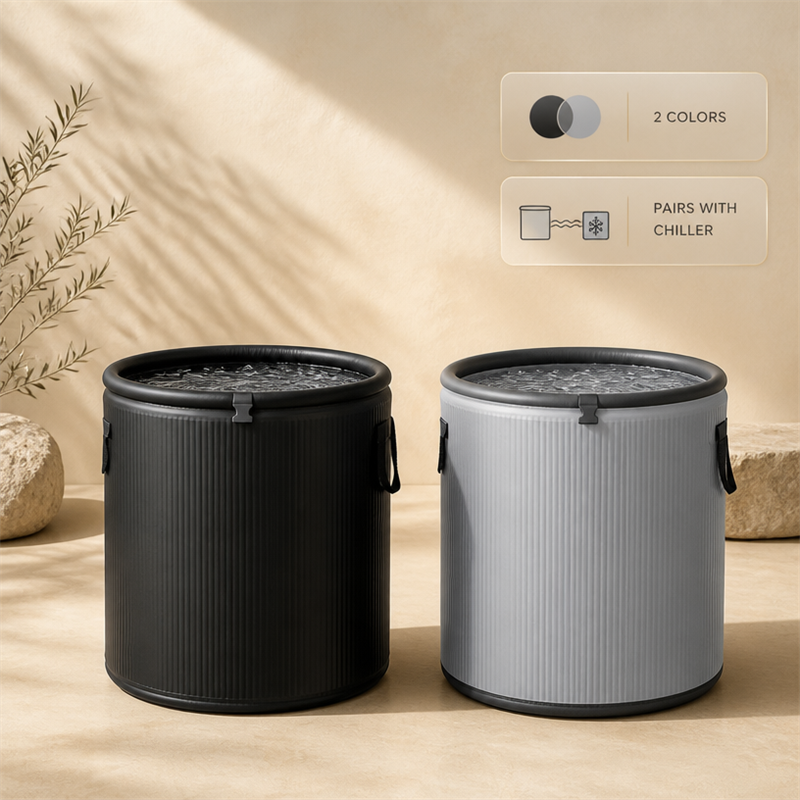
When evaluating cold plunge tubs for your distribution network, understanding the key performance and design criteria becomes essential for meeting customer expectations and building long-term business relationships. A cold plunge tub is not simply a vessel filled with ice water; it represents a complete system where thermal efficiency, structural integrity, user comfort, and maintenance accessibility converge. For distributors tasked with sourcing products that will satisfy diverse end-user needs—from fitness facilities and recovery centers to residential wellness enthusiasts—the selection process requires careful attention to technical specifications, material quality, and market positioning.
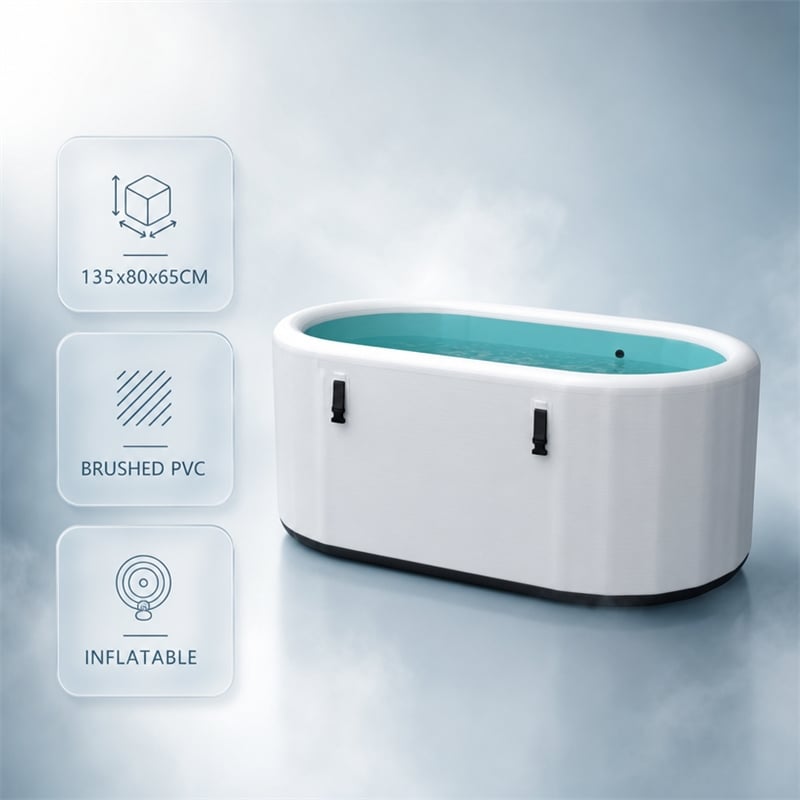
Product selection in the cold plunge tub category demands more than surface-level comparison. Distributors must evaluate how a product aligns with their customer segments, regional climate conditions, facility types, and budget tiers. This guide walks through the critical dimensions of cold plunge tub evaluation, enabling distributors to make informed choices that strengthen their market position and customer satisfaction ratings.
Insulation Technology and Thermal Performance
Wall Thickness and Material Composition
The thermal envelope of a cold plunge tub directly affects operational costs and user experience. A quality cold plunge tub should feature substantial insulation that maintains water temperature with minimal energy input. Look for products with insulated walls measuring at least 8 centimeters in thickness, using closed-cell foam or equivalent materials that resist water absorption and degradation over time. The insulation layer must be sandwiched between durable outer and inner shells—typically high-density polyethylene or reinforced thermoplastic—that protect the foam from physical damage and UV exposure. Distributors should verify that the product selection process includes thermal conductivity ratings and heat retention performance data, allowing customers to calculate long-term energy savings and operational ROI.
Temperature Stability and Climate Adaptation
Different geographic markets experience varying ambient temperatures, and a cold plunge tub must perform reliably across seasonal fluctuations. Superior insulation enables faster cooldown cycles, reduces ice consumption, and maintains target temperatures even in warm climates. Distributors should prioritize models with proven thermal performance in both tropical and temperate regions, as this versatility expands addressable market opportunities. Request independent thermal testing data that demonstrates heat loss rates under standard conditions. When evaluating B2B product selection criteria, thermal performance becomes a competitive differentiator that justifies premium pricing and builds distributor credibility with facilities managers.
Structural Integrity and Durability Standards
Material Grade and Manufacturing Process
The structural foundation of any cold plunge tub determines its lifespan and reliability under demanding usage patterns. Premium models employ rotomolded or seamless construction techniques that eliminate weak points and stress concentration areas. Distributors should examine the material specifications closely—virgin high-density polyethylene (HDPE) with UV stabilizers and impact modifiers typically outperforms recycled or composite materials in durability and longevity. For product selection in the B2B channel, structural integrity certifications and burst-pressure ratings provide objective performance benchmarks. Request documentation of drop-test results, pressure-cycle endurance testing, and long-term material aging studies to ensure the cold plunge tub maintains its integrity across multiple years of intensive facility use.
Seam Construction and Water Tightness
Leaks represent the fastest path to customer dissatisfaction and warranty claims. Seamless construction or welded seams with rigorous quality control prevent water loss and structural compromise. Distributors should verify that every cold plunge tub undergoes pressure testing before shipment and that warranty terms reflect manufacturer confidence in seam integrity. Additionally, assess drainage system design—reliable drain plugs, gasket materials rated for constant cold exposure, and accessible plumbing connections reduce maintenance friction. A distributor's reputation depends on selecting products engineered for durability, so prioritize manufacturers with transparent quality assurance processes and documented failure rates below industry standards.
User Experience and Operational Practicality
Access Points and Safety Features
End-user satisfaction hinges on ease of entry, exit, and water management. When evaluating a cold plunge tub, examine step height, grip locations, and internal surface texture to ensure safe access for users of varying physical capabilities. Distributors should consider facility types in their target market—commercial gyms need robust safety features and high throughput capacity, while residential customers prioritize aesthetic integration and compact footprints. The cold plunge tub should include non-slip surfaces, grab handles positioned at ergonomic heights, and clear water visibility to prevent accidents. Product selection should also account for local health codes and ADA compliance requirements, particularly for facilities serving diverse user populations.
Maintenance Access and Cleaning Efficiency
Operational costs extend beyond energy consumption to include water filtration, system cleaning, and periodic maintenance. A well-designed cold plunge tub provides adequate access for filter changes, drain cleaning, and interior scrubbing without requiring partial disassembly. Distributors should verify that the product features removable filter baskets, accessible pump connections, and clear drainage paths that prevent sediment accumulation. Water treatment requirements vary by facility volume and usage frequency, so ensure the cold plunge tub design accommodates standard filtration systems and sanitation protocols. When conducting B2B product selection, request maintenance documentation from existing customers to gauge real-world operational effort and downtime frequency.
Capacity, Dimensions, and Space Planning
Volume and User Throughput
Capacity requirements differ dramatically between facilities. A commercial recovery center cold plunge tub must handle multiple sequential users daily, while residential installations prioritize compact dimensions and quick entry-exit cycles. Distributors should understand their customer segments' typical usage patterns—duration per session, number of daily users, and peak utilization windows—to recommend appropriately sized models. Larger capacity cold plunge tubs offer economies of scale in commercial settings but consume more floor space and require higher initial chiller capacity. Product selection decisions hinge on matching specifications to actual facility constraints and revenue models. Oversizing increases capital costs; undersizing creates customer bottlenecks and reduces facility throughput ROI.
Installation Footprint and Aesthetic Integration
Facility aesthetics influence purchasing decisions, particularly in upscale wellness environments. Distributors should assess whether their product selection includes models with integrated cabinetry, customizable exterior finishes, and design options that complement modern facility architecture. A cold plunge tub's visual presence affects member perception and facility branding, so premium manufacturers offer finishes ranging from minimalist industrial to spa-like luxury aesthetics. Distributors who offer multiple design tiers gain competitive advantage and can serve diverse market segments. Verify installation flexibility—some models feature integrated chiller systems, while others require external refrigeration units. Space planning consultation and 3D visualization tools strengthen distributor value and reduce customer installation surprises.
Warranty, Support, and After-Sales Service
Manufacturer Backing and Claim Processes
Warranty terms reflect manufacturer confidence and directly impact distributor liability exposure. Examine warranty coverage depth—does it include labor, shipping, and replacement parts? A comprehensive cold plunge tub warranty covering structural defects, seal failures, and electronics for three to five years demonstrates quality commitment and reduces customer lifetime cost. Distributors should understand claim procedures, average resolution timeframes, and manufacturer responsiveness before committing to product partnerships. B2B product selection at the distributor level must include warranty comparison across competing models, as these terms become selling points during customer negotiations and influence total cost of ownership calculations.
Technical Support and Training Resources
Post-sale support quality separates premium manufacturers from commodity suppliers. When evaluating a cold plunge tub supplier, verify they provide operator training, maintenance documentation, troubleshooting guides, and responsive technical support channels. Distributors benefit from manufacturer-provided marketing materials, specification sheets, and customer success case studies that streamline sales processes. Establish communication protocols for handling customer issues escalated beyond facility staff—quick manufacturer response times protect distributor relationships and reduce churn. Product selection decisions should account for the vendor's reputation in after-sales service, as poor support experiences generate negative word-of-mouth that damages distributor market positioning.
FAQ
What insulation thickness should distributors prioritize in a cold plunge tub?
Distributors should target cold plunge tub models with at least 8 centimeters of insulation thickness using closed-cell foam or equivalent high-performance materials. This specification ensures rapid cooldown, minimal ice consumption, and stable temperature maintenance across diverse climate conditions. Thicker insulation reduces operational energy costs and improves customer ROI, making it a key selling advantage during B2B product selection conversations.
How do distributors assess durability claims for a cold plunge tub?
Request independent thermal and pressure-cycle testing reports, material specifications for virgin HDPE composition, manufacturing certifications (ISO or equivalent), and documented failure rates from existing customer installations. Distributors should also contact current customers to gather feedback on long-term durability, maintenance frequency, and warranty claim experiences. Product selection becomes more informed when backed by objective third-party verification rather than manufacturer claims alone.
What capacity cold plunge tub should distributors recommend to commercial facilities?
Capacity recommendations depend on expected daily user volume, session duration, and peak utilization patterns. A commercial facility experiencing 20–30 users daily typically requires a cold plunge tub with 400–600 liter capacity to minimize entry wait times and maintain temperature stability. Distributors should conduct facility usage audits and model scenarios with manufacturers to determine optimal sizing. Undersized selections create customer dissatisfaction, while oversized models increase capital costs unnecessarily, so B2B product selection requires customized capacity analysis rather than one-size-fits-all recommendations.
 EN