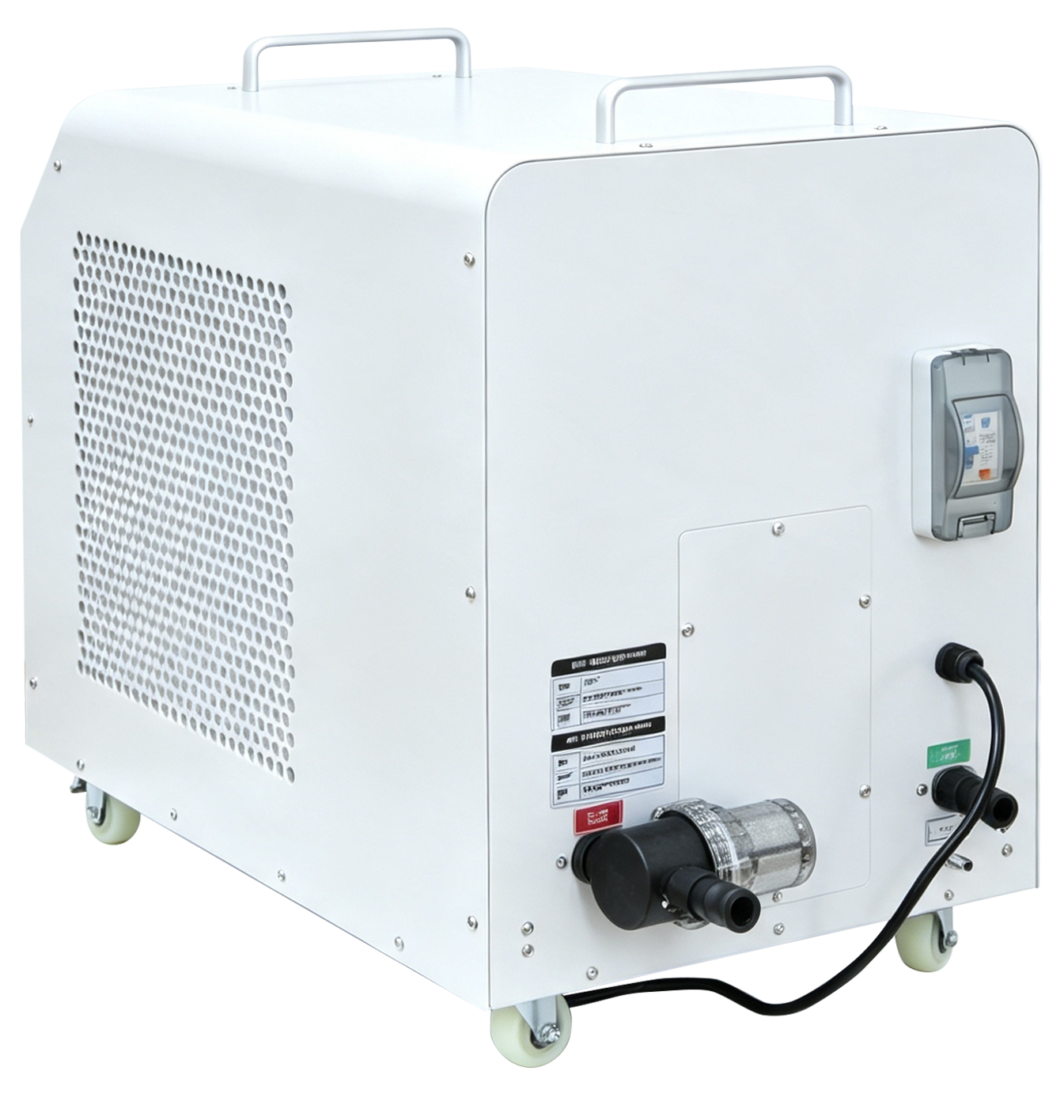
Selecting the right Cold Therapy Machine as a distributor requires understanding multiple critical factors that directly impact your ability to serve end customers and maintain profitability. Unlike individual consumer purchases, B2B product selection demands deeper analysis of specifications, reliability, support infrastructure, and market positioning. Distributors act as intermediaries between manufacturers and end users, making their evaluation process fundamentally different from retail buying decisions.
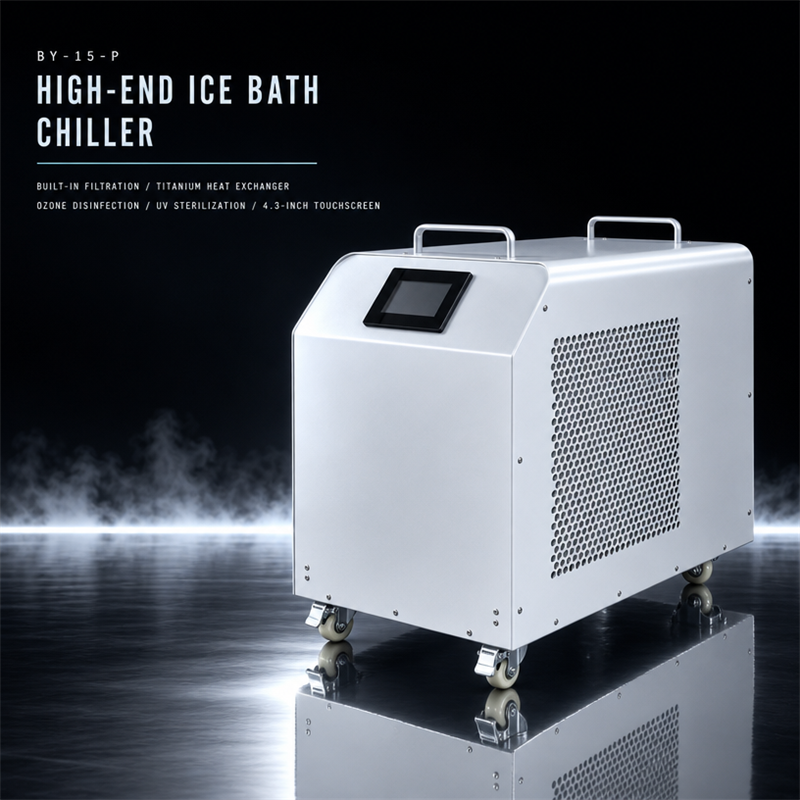
As a distributor evaluating cold therapy equipment, you must balance technical specifications against market demand, warranty coverage, pricing margins, and long-term customer support. A well-chosen product line strengthens your competitive position and builds customer loyalty. Poor product selection leads to returns, damaged reputation, and reduced margins. This guide walks you through the essential criteria that distributors should assess when choosing cold therapy machines for their inventory and customer base.
Core Technical Specifications and Performance Metrics
Temperature Control and Cooling Capacity
Temperature precision is fundamental to cold therapy machine performance. Distributors should verify that equipment maintains consistent temperatures within narrow ranges, typically between 45 and 55 degrees Fahrenheit for therapeutic applications. Cooling capacity, measured in BTU or watts, directly affects how quickly the machine reaches target temperature and maintains it under continuous use. Machines with inadequate cooling capacity will disappoint customers and generate warranty claims. Request detailed specifications on response time, thermal stability, and performance under peak load conditions before committing to inventory.
Build Quality and Durability Standards
Cold therapy machines endure demanding conditions in clinical and wellness settings. Distributors must examine construction materials, seal integrity, and component sourcing. Stainless steel or medical-grade polymers resist corrosion and contamination better than cheaper alternatives. Look for machines with reinforced tubing, sealed electrical components, and vibration-dampening features. Product selection should include assessment of warranty length, replacement part availability, and historical failure rates. Durability directly impacts customer satisfaction and your post-sale support burden.
Product Selection for Market Positioning and Customer Base
Feature Set and User Interface Design
Different customer segments prioritize different features. Clinics may require advanced data logging and connectivity, while wellness centers focus on user experience. Evaluate whether the cold therapy machine offers digital controls, mobile app integration, adjustable pressure settings, and customizable therapy programs. Intuitive interfaces reduce training time and support calls. Distributors should assess whether feature complexity matches their target customer base. Overly complicated machines may alienate smaller clients, while oversimplified models limit appeal to advanced practitioners and sports medicine facilities.
Versatility Across Customer Applications
A cold therapy machine's ability to serve multiple use cases expands your addressable market. Look for machines adaptable to sports recovery, injury rehabilitation, post-operative care, and general wellness applications. Adjustable pressure and temperature settings allow customers to customize treatment intensity. Modular design or compatibility with multiple applicator types increases long-term customer value. Distributors benefit from inventory flexibility when machines appeal to athletic facilities, physical therapy clinics, and luxury wellness centers simultaneously.
Distributor Support and Commercial Viability
Manufacturer Technical Support and Training Programs
Successful distributors receive robust manufacturer backing. Verify that the manufacturer provides comprehensive training materials, troubleshooting guides, and responsive technical support channels. Ask about certification programs for your sales team and end-customer technicians. B2B product selection must include assessment of how quickly manufacturers respond to technical issues and whether they offer field service support. Poor manufacturer support creates customer friction and forces you to shoulder expensive support costs, reducing your profit margins significantly.
Warranty, Service, and Replacement Part Availability
Extended warranty options and rapid replacement part availability protect your distributor business. Machines with standard two to five year warranties give customers confidence. Ensure replacement parts inventory is accessible and pricing is transparent. Distributors should negotiate preferential pricing on bulk part purchases and establish clear procedures for warranty claims processing. A manufacturer unable to supply replacement components within reasonable timeframes creates customer dissatisfaction and forces you to hold excessive spare inventory or face service delays.
FAQ
What specifications should distributors prioritize when evaluating cold therapy machines?
Distributors should prioritize temperature accuracy and consistency, cooling capacity, build quality, and component reliability. These core technical factors directly impact customer satisfaction and warranty claim rates. Additionally, evaluate the machine's feature set relative to your target market, interface usability, and whether it serves multiple customer applications. Product selection must balance these technical criteria against pricing, margins, and available manufacturer support to ensure long-term profitability.
How does distributor product selection differ from retail buyer considerations?
Distributors must evaluate wholesale margins, inventory turnover rates, manufacturer support infrastructure, and warranty administration processes. Retail buyers focus primarily on personal performance and price. B2B product selection requires understanding end-customer needs across multiple use cases, bulk pricing structures, and long-term support relationships. Distributors also need certainty about product availability, technical support availability, and the manufacturer's commitment to maintaining compatible replacement parts and software updates throughout the product lifecycle.
What factors affect a distributor's ability to support customers using cold therapy machines?
Manufacturer training programs, technical documentation quality, replacement part availability, and responsive technical support directly determine your support capacity. Distributors need clear troubleshooting resources and quick access to manufacturer expertise to resolve customer issues efficiently. If machines require complex setup or contain proprietary components, your support costs increase substantially. Strong product selection includes assessment of whether your team can realistically handle customer training, maintenance guidance, and troubleshooting without excessive dependence on manufacturer intervention or expensive callbacks.
 EN