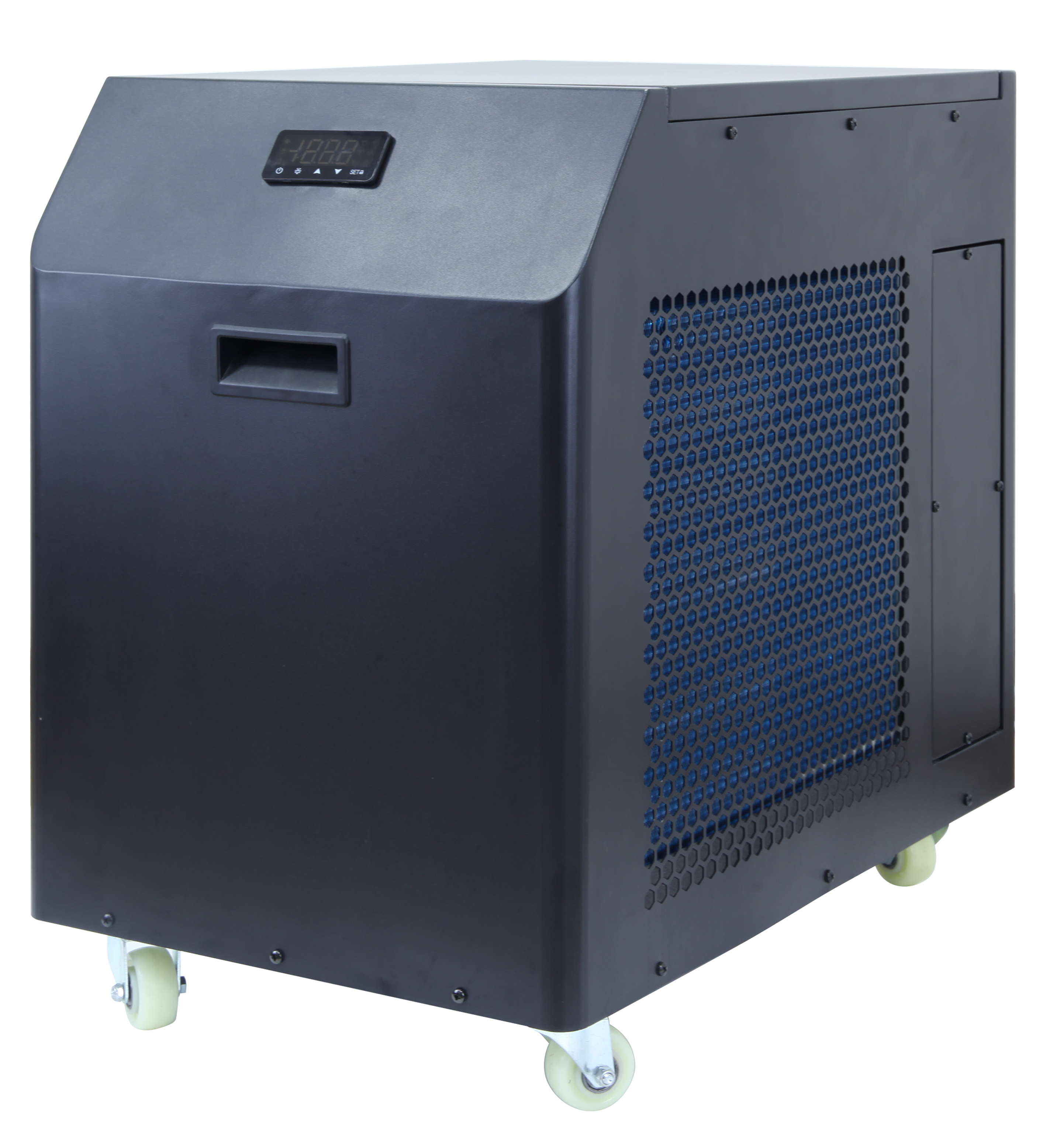
Expanding a distributor's product line into wellness equipment represents a significant business decision that requires careful market analysis and strategic planning. The ice bath market has experienced substantial growth in recent years, driven by increasing consumer interest in recovery and wellness solutions across residential and commercial segments. Distributors considering whether to add ice bath products to their inventory must evaluate multiple factors before committing resources to this emerging category.
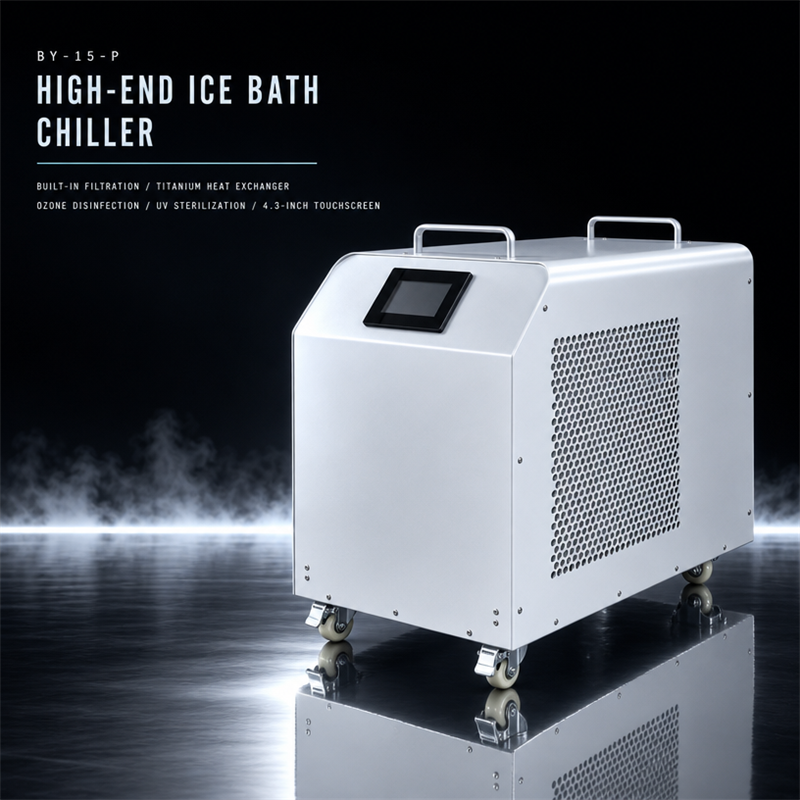
For distributors looking to strengthen their market position, understanding the commercial market landscape and the specific needs of different customer segments is essential. An ice bath product line can differentiate a distributor within the wellness and recovery equipment space, but success depends on making informed decisions about which products to stock, how to position them, and what support systems to establish for customers.
Market Demand and Commercial Market Opportunity
Understanding Wellness Industry Trends
The commercial market for wellness equipment has expanded dramatically as businesses and consumers recognize the value of recovery tools. Athletic facilities, spas, wellness centers, and luxury residences now routinely invest in ice bath solutions as core offerings. This shift reflects broader consumer behavior changes where cold therapy and recovery modalities have moved from niche athletic training into mainstream wellness consciousness. Distributors should recognize that demand extends across multiple verticals, from fitness centers to hospitality and healthcare environments.
Customer Segments and Revenue Potential
Different customer segments offer distinct revenue opportunities and margin profiles. Commercial spa operators, fitness franchises, and wellness resorts represent high-volume purchase opportunities where an ice bath product line can command premium pricing. Residential customers seeking luxury home wellness equipment typically require fewer units but demonstrate strong willingness to invest in quality. Distributors must assess which segments align with their existing customer relationships and sales infrastructure. The commercial market particularly rewards distributors who understand installation, maintenance, and customer support requirements specific to professional-grade equipment.
Product Line Integration and Selection Strategy
Evaluating Product Specifications and Features
Choosing the right ice bath products requires understanding the technical specifications that matter most to target customers. Temperature control precision, water capacity, cooling speed, and energy efficiency are critical performance metrics that influence customer satisfaction and operational costs. Products with advanced features like ozone sterilization or UV treatment increasingly appeal to commercial operators seeking to minimize maintenance burdens and ensure hygiene standards. A distributor's product line should balance entry-level options for price-conscious buyers with premium models that justify higher margins and appeal to the commercial market segment seeking comprehensive wellness solutions.
Manufacturer Partnerships and Supply Chain
Establishing reliable manufacturer relationships is fundamental to sustaining a viable product line. Distributors should evaluate manufacturers based on production capacity, quality consistency, warranty support, and technical documentation. Supply chain stability becomes critical when serving commercial customers who depend on equipment reliability and timely delivery. Distributors must confirm that manufacturers can support inventory levels matching projected demand without creating excess stock. Clear communication about lead times, customization options, and replacement parts availability protects distributors from operational disruptions that damage customer relationships.
Operational and Support Infrastructure Requirements
Sales and Marketing Capabilities
Successfully selling an ice bath product line requires sales teams equipped with product knowledge and understanding of customer pain points in the wellness space. Distributors must invest in training sales personnel to articulate the commercial market advantages of their offerings, including reliability metrics, total cost of ownership, and competitive positioning. Marketing materials should address specific customer concerns about installation, operation, maintenance, and customer support. Digital marketing and industry participation become more important when entering unfamiliar product categories where brand awareness and credibility determine market acceptance.
Installation, Training, and Technical Support
The commercial market increasingly expects distributors to provide comprehensive support beyond product delivery. Installation expertise, operator training, and ongoing technical support distinguish competitive distributors from those offering transactional relationships. Many customers lack experience with ice bath equipment, so distributors who provide installation guidance and troubleshooting support build loyalty and reduce buyer hesitation. Establishing clear protocols for warranty claims, service requests, and maintenance recommendations protects the distributor's reputation while ensuring customer satisfaction. Distributors should determine whether to build these capabilities internally or develop partnerships with specialized service providers.
Financial and Risk Considerations
Inventory Management and Capital Requirements
Adding an ice bath product line requires upfront capital investment in inventory that ties up working capital before generating revenue. Distributors must forecast demand accurately to avoid overstock situations that create carrying costs and obsolescence risk. Market entry typically requires stocking multiple product tiers to serve different customer segments effectively, which increases initial investment. Conservative distributors often begin with limited inventory depth while validating market demand, then expand product line breadth as sales velocity confirms customer interest.
Competitive Positioning and Profitability
Profit margins for ice bath products vary depending on manufacturer partnerships, volume commitments, and competitive dynamics within the distributor's territory. Distributors should research existing competitors and their pricing strategies before committing resources. The commercial market often supports stronger margins than residential segments due to higher transaction values and lower price sensitivity among professional buyers. Understanding whether margin improvement or market share expansion should drive the distributor's strategy informs decisions about inventory levels, pricing policies, and promotional activities.
FAQ
What customer segments represent the strongest opportunity for a new ice bath product line?
The commercial market including fitness centers, wellness spas, and hospitality properties offers the most reliable demand and supports premium pricing. These customers typically have established budgets for wellness equipment and value professional support. Luxury residential customers also represent significant opportunity but require different sales approaches and may need more extensive pre-sale consultation and customization.
How should distributors balance product line breadth with inventory risk?
Most distributors find success by starting with three to four core models representing different price points and applications, allowing them to serve multiple customer segments without excessive inventory. As sales data accumulates, distributors can expand the product line based on demonstrated customer preferences. This phased approach reduces capital risk while building market knowledge and customer relationships that support future growth.
What support capabilities must distributors develop before entering the ice bath market?
Distributors should establish basic installation guidance, operator training procedures, and technical support protocols before launching their product line. These don't require expensive in-house expertise initially; partnerships with manufacturers or specialized service providers can fulfill these requirements. However, distributors must commit to reliable response times and knowledgeable support staff to maintain customer satisfaction and competitive positioning in the commercial market.
 EN