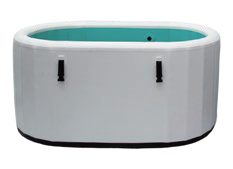
Choosing the right ice bath tub requires careful consideration of multiple factors that directly impact performance, durability, and user experience. Athletes, recovery enthusiasts, and wellness professionals increasingly invest in cold plunge therapy, making the selection process critical. A thoughtful buyer checklist ensures you invest in equipment that meets your specific recovery needs while delivering long-term value.
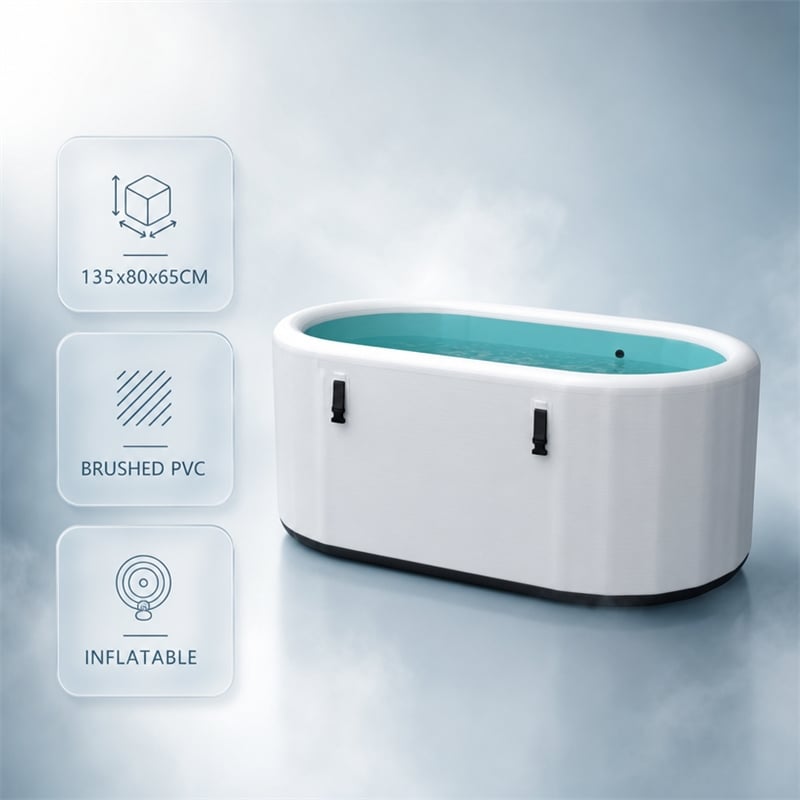
The market offers diverse ice bath tub options with varying specifications, materials, and capabilities. Understanding what distinguishes high-quality models from basic alternatives empowers buyers to make informed decisions aligned with their recovery goals and budget constraints. This guide walks through the essential selection criteria that separate premium solutions from inferior alternatives.
Insulation Standards and Temperature Control
Evaluating Thermal Performance
Superior insulation directly determines how efficiently an ice bath tub maintains temperature and reduces operational costs. Quality ice bath tub designs feature thick, multi-layer insulation that minimizes heat exchange with the environment. Look for specifications detailing insulation thickness, material composition, and thermal resistance ratings. Premium models often incorporate closed-cell foam or specialized composite materials that outperform basic vinyl-only construction significantly.
Temperature stability matters because inconsistent cold creates an unreliable recovery experience and forces the cooling system to work harder. An effective buyer checklist includes verifying that the ice bath tub maintains target temperatures within a narrow range, typically between 50–60 degrees Fahrenheit, for extended periods without excessive compressor cycling. Advanced models include digital controls that display real-time temperature data and allow precise adjustments.
Chilling System Capacity
The cooling mechanism determines how quickly an ice bath tub reaches target temperature and whether multiple sessions remain feasible throughout the day. Quality systems feature adequate compressor power and heat exchanger capacity matched to the tub's volume. During your buyer checklist evaluation, compare chilling time specifications across models of similar size. A robust ice bath tub should chill 100 gallons from 70 degrees to 58 degrees within 60–90 minutes, ensuring practical daily use.
Energy efficiency represents another critical selection consideration. Quality cooling systems minimize electricity consumption through intelligent compressor design and optimized refrigeration cycles. Verify that the ice bath tub meets recognized energy standards and review power consumption ratings before purchase to understand ongoing operational costs.
Durability, Materials, and Construction Quality
Shell Material and Structural Integrity
The physical construction of an ice bath tub determines longevity and user safety during repeated cold exposure sessions. Quality models utilize reinforced drop-stitch PVC or rigid composite shells that resist punctures, UV degradation, and material fatigue over years of use. Your buyer checklist should specify inspection of material thickness measurements, typically 8 centimeters or greater for premium construction. This specification directly correlates with durability and structural stability under repeated thermal stress.
Interior coatings and seals deserve careful attention during selection evaluation. High-quality ice bath tub interiors feature antimicrobial coatings that prevent algae growth and bacterial colonization, extending maintenance intervals and improving user hygiene. Examine seal joints and seam construction, as these areas represent failure points where leaks can develop. Premium manufacturing includes reinforced seams with multiple fastening methods rather than single-point attachments.
Component Quality and Assembly
Beyond the shell, evaluate the quality of integrated components including circulation pumps, filtration systems, and control interfaces. An effective buyer checklist verifies that all components feature corrosion-resistant materials suitable for continuous saltwater or freshwater immersion. Quality ice bath tub systems employ stainless steel hardware, commercial-grade connectors, and sealed electrical components that withstand humid environments.
Manufacturing consistency matters significantly for long-term reliability. Research production standards, quality control processes, and warranty coverage that the manufacturer provides. Premium ice bath tub manufacturers offer extended warranties, typically five years or longer, reflecting confidence in construction quality and component longevity.
Size, Capacity, and Practical Usability
Volume and User Accommodation
The physical dimensions and water capacity of an ice bath tub directly impact functionality and suitability for intended users. A quality buyer checklist includes measuring whether the unit accommodates your height, builds flexibility for different body types, and provides comfortable seating during cold exposure. Standard models range from 80 to 220 gallons, with oversized variants offering greater comfort and multiple-user capacity. Verify that the ice bath tub's interior dimensions allow for proper posture and movement without cramping or awkward positioning.
Capacity considerations extend beyond simple volume measurements. Quality selection criteria include evaluating drainage ease, access to interior surfaces for cleaning, and whether the ice bath tub design allows for equipment modifications or upgrades. Larger capacity models require more cooling time and energy but deliver superior temperature stability and reduced maintenance frequency compared to compact alternatives.
Installation and Space Requirements
Practical installation feasibility often determines whether an ice bath tub purchase becomes productive or problematic. Your buyer checklist should address electrical requirements, drainage specifications, and spatial constraints specific to your location. Quality manufacturers provide detailed installation guides, dimensional drawings, and technical support resources that simplify deployment. Verify that your selected ice bath tub model connects to standard electrical outlets and accommodates your drainage infrastructure without requiring expensive modifications.
Portability and placement flexibility matter for many buyers. Premium ice bath tub designs incorporate drain valves, integrated handles, and modular construction that simplify relocation if needed. Weight capacity ratings deserve attention, particularly for commercial settings where multiple users access the same unit sequentially.
Maintenance, Support, and Value Consideration
Maintenance Requirements and Ease of Care
Long-term satisfaction with an ice bath tub depends significantly on realistic maintenance demands and available support resources. Quality models feature accessible filter cartridges, straightforward drainage procedures, and user-friendly chemical balance testing systems. Your buyer checklist should include understanding the frequency of routine maintenance tasks, typical component replacement intervals, and availability of replacement parts. Superior ice bath tub manufacturers maintain parts inventory and offer technical guidance that extends product lifespan and ensures consistent performance.
Warranty, Support, and Long-Term Value
Comprehensive warranty coverage and responsive manufacturer support represent significant factors in the selection decision. Quality ice bath tub providers offer extended protection plans covering compressor failures, seal degradation, and component defects. Evaluate the warranty scope, duration, and claim process before committing to purchase. Premium manufacturers provide responsive customer service, replacement parts availability, and technical troubleshooting resources that justify investment in higher-quality alternatives.
FAQ
What quality specifications should be prioritized in a buyer checklist for ice bath tubs?
A comprehensive buyer checklist prioritizes insulation thickness, chilling capacity, material durability, dimensional fit for users, and manufacturer warranty coverage. Quality ice bath tub selection focuses on specifications that directly impact temperature stability, longevity, and reliable performance across repeated use cycles. Compare detailed technical specifications from multiple manufacturers before selection.
How does insulation quality affect ice bath tub performance and operating costs?
Superior insulation minimizes energy waste by reducing the cooling system's workload, resulting in lower electricity consumption and faster temperature maintenance. An ice bath tub with inadequate insulation requires the compressor to cycle frequently, increasing both operational costs and component wear. Quality insulation standards directly translate to lower monthly utility expenses and extended equipment lifespan.
What material specifications indicate high-quality ice bath tub construction?
Quality ice bath tub models feature thick reinforced PVC or composite shells, typically 8 centimeters or greater, with antimicrobial interior coatings and stainless steel hardware throughout. Manufacturing quality indicators include sealed seam construction, corrosion-resistant components, and detailed warranty protection. Research production standards and customer reviews to verify that the ice bath tub meets your durability and reliability expectations.
 EN