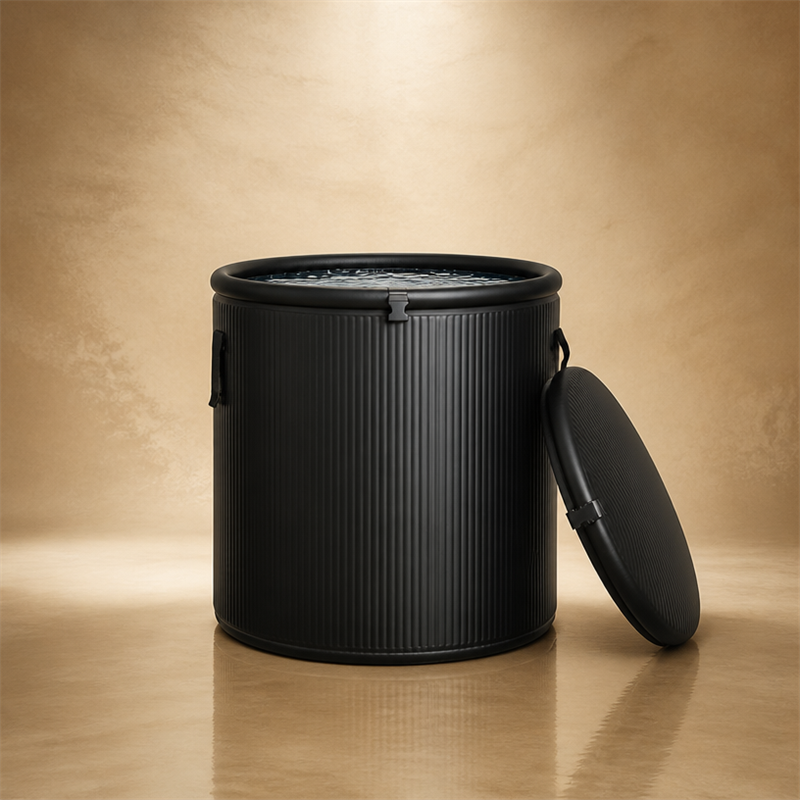
Choosing the right cold plunge tub is a significant investment for anyone serious about cold water immersion therapy. Whether you're an athlete seeking recovery benefits, a wellness enthusiast exploring biohacking, or a facility manager outfitting a recovery space, understanding what to evaluate during selection ensures you get lasting value and optimal performance. A buyer checklist focused on key attributes helps navigate the crowded marketplace and identify products that truly deliver on durability, usability, and health benefits.
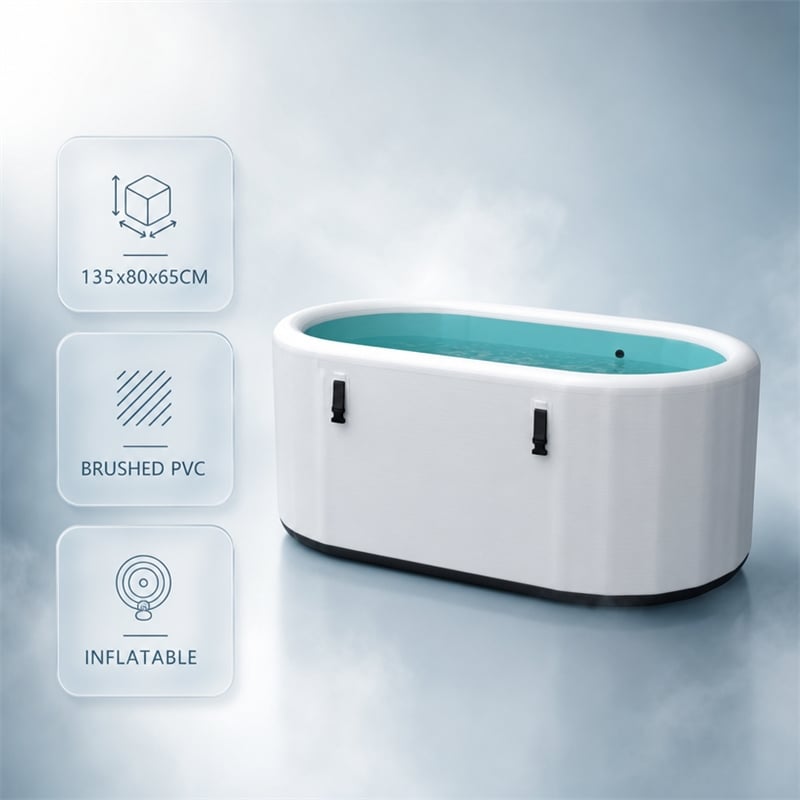
The market offers diverse cold plunge tub options ranging from portable models to permanent installations, each with distinct trade-offs in insulation, capacity, temperature control, and price. Quality varies significantly between manufacturers, and overlooking critical selection criteria can result in poor temperature retention, rapid deterioration, maintenance headaches, or simply failing to deliver the therapeutic experience you're paying for. This guide walks you through the most important factors to evaluate so your decision aligns with your specific needs, budget, and long-term usage patterns.
Material Quality and Construction
Structural Durability and Wall Integrity
The foundational quality of any cold plunge tub depends on material composition and construction technique. Premium models use high-grade PVC, reinforced drop-stitch technology, or rigid composite materials that resist punctures, UV degradation, and repeated freeze-thaw cycles. When evaluating quality, examine wall thickness, seam reinforcement, and whether the product carries manufacturer certifications for material safety. Thin-walled tubs may be affordable initially but often fail within one to two seasons, leading to costly replacements and wasted investment.
Insulation Performance
Superior insulation is critical for maintaining stable temperatures and reducing energy costs. Your buyer checklist should include insulation thickness measured in centimeters—typically eight to ten centimeters of foam or similar material provides excellent thermal retention. Well-insulated cold plunge tubs retain water temperature far longer, meaning fewer compressor cycles, lower electricity consumption, and more consistent therapy sessions. Poor insulation forces your chiller to run continuously, driving up operating costs and potentially shortening equipment lifespan.
Temperature Control and Chilling Capacity
Precision Temperature Management
Effective temperature control distinguishes quality cold plunge tubs from basic alternatives. Look for models with digital controllers offering one-degree precision, allowing you to dial in your preferred immersion temperature reliably. Your selection should include confirmation that the system maintains target temperature even during heavy usage or ambient heat fluctuation. Systems with temperature sensors, automated shut-off features, and backup controls provide confidence that your cold plunge tub operates safely and predictably across seasons and usage patterns.
Chiller Specifications and Cooling Speed
Chiller power, measured in British thermal units per hour or kilowatts, determines how quickly your tub reaches target temperature and how well it recovers between sessions. A cold plunge tub serving multiple users daily requires higher-capacity chillers than one used by a single person. During your buyer checklist review, confirm whether the chiller can reach your desired temperature within a reasonable timeframe—typically thirty to ninety minutes depending on starting water temperature and volume. Undersized chillers create frustrating wait times and may never achieve consistently cold temperatures during peak usage.
Practical Features and User Experience
Size, Capacity, and Accessibility
Your selection criteria must account for physical dimensions, water volume, and how easily you or intended users can enter and exit. A cold plunge tub should accommodate your typical user demographics comfortably—larger individuals, elderly users, or those with mobility limitations require different configurations than athletic populations. Consider available installation space, whether the tub fits through doorways for delivery, and whether mounting steps or handrails are included or recommended. Undersized or awkwardly designed tubs compromise the therapeutic experience and may go unused despite significant initial investment.
Maintenance and Operational Convenience
Quality cold plunge tub selection includes evaluating maintenance demands and ease of operation. Your buyer checklist should confirm whether filtration systems are included, how frequently filters require replacement, and whether water treatment is simple or complex. Some advanced models include salt chlorination, UV sterilization, or ozone systems requiring minimal chemical handling. Others demand frequent manual water changes or chemical balancing. Understanding your commitment level to ongoing maintenance prevents selecting a cold plunge tub that becomes burdensome or neglected over time.
Warranty and Customer Support
Reputable manufacturers back their cold plunge tub products with comprehensive warranties covering structural defects, chiller failures, and controller electronics for at least two to three years. During selection, verify what warranty terms cover repairs, replacements, and service response times. Quality manufacturers provide accessible customer support, spare parts availability, and detailed troubleshooting resources. A cold plunge tub from an established brand with strong support infrastructure offers peace of mind and protection against costly surprises after purchase.
Installation and Site Requirements
Space Planning and Environment Setup
Before finalizing your selection, assess your installation location thoroughly. Your cold plunge tub requires stable flooring that can support weight when filled—typically two to four thousand pounds depending on capacity. Ensure adequate clearance for user entry and exit, steps or deck surfaces, and maintenance access for filter cleaning and equipment service. Environmental factors including ambient temperature, humidity, proximity to electrical outlets, and drainage provisions should all influence your buyer checklist evaluation and site preparation.
Electrical and Plumbing Integration
Quality cold plunge tub systems require appropriate electrical infrastructure—typically 220-240 volt circuits for chiller operation. Confirm whether your facility can support these requirements without expensive upgrades. Consider plumbing connections for initial filling, overflow management, and potential water changes. Installation complexity varies significantly between models; some portable cold plunge tub options require minimal setup while permanent installations demand professional installation, potentially adding thousands to your total investment.
Budget and Value Assessment
Initial Cost Versus Long-Term Value
Your buyer checklist must balance upfront purchase price against durability, operating costs, and longevity. Premium cold plunge tub models command higher prices but often deliver better insulation, more reliable chillers, superior build quality, and lower lifetime operating costs. A budget option costing half as much might require replacement in three years, whereas a quality cold plunge tub lasts seven to ten years with minimal issues. Calculate the true cost of ownership by factoring in replacement expenses, energy consumption, maintenance, and downtime.
Financing and Scalability Options
For commercial facilities or larger personal installations, explore whether manufacturers offer financing, lease arrangements, or tiered product lines. Your selection strategy might involve starting with a smaller cold plunge tub and expanding later, or investing in commercial-grade quality from the beginning if long-term plans demand durability. Understanding available options and pricing flexibility helps optimize your budget allocation and reduces the likelihood of overpaying for features you don't need or undersizing for future demand.
FAQ
What size cold plunge tub should I choose for home use?
For home use, a cold plunge tub with 200 to 400 liters capacity typically serves individual users or small families adequately. This size accommodates comfortable immersion without requiring excessive space or extreme chilling capacity. Larger households or those hosting multiple users might prefer 500 to 750-liter models. Your selection depends on available space, budget, and how many people will use the tub regularly.
How does insulation quality affect cold plunge tub operating costs?
Superior insulation dramatically reduces energy consumption by minimizing heat loss between sessions. A cold plunge tub with eight centimeters of quality foam insulation might consume forty to fifty percent less electricity than a poorly insulated alternative. Over five to ten years of operation, this quality difference translates to hundreds or thousands of dollars in energy savings, making premium insulation a smart economic choice regardless of your buyer checklist priorities.
What maintenance requirements should influence my cold plunge tub selection?
Your buyer checklist should prioritize cold plunge tub models with low-maintenance designs—quality filtration systems, simple chemical management, and reliable components reduce ongoing demands. Models requiring daily water changes or frequent equipment servicing demand greater commitment than those featuring advanced filtration and automated systems. Consider your realistic ability to maintain the equipment consistently; a high-quality cold plunge tub with simple maintenance needs will provide better long-term satisfaction than a cheaper model demanding intensive care.
 EN