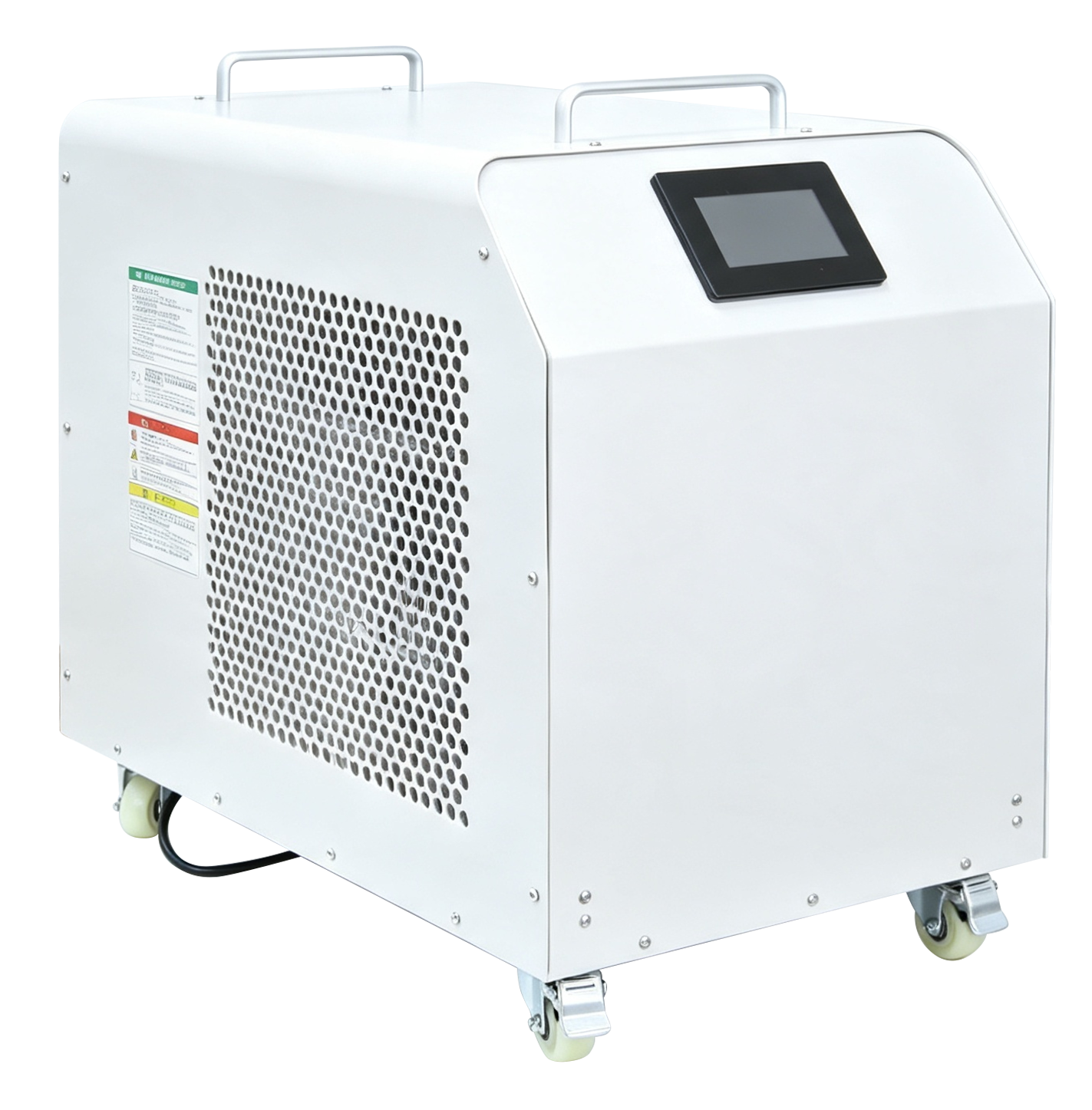
Purchasing a cold plunge chiller represents a significant investment in wellness infrastructure, and understanding the packaging and shipping process is essential before making your purchase decision. A cold plunge chiller is a specialized piece of equipment designed to maintain precise water temperatures for therapeutic cold immersion, and its safe delivery depends on careful preparation, robust protection, and clear communication throughout the logistics chain. This guide walks buyers through everything they need to know about how these sophisticated units are prepared, transported, and received to ensure optimal condition upon arrival.
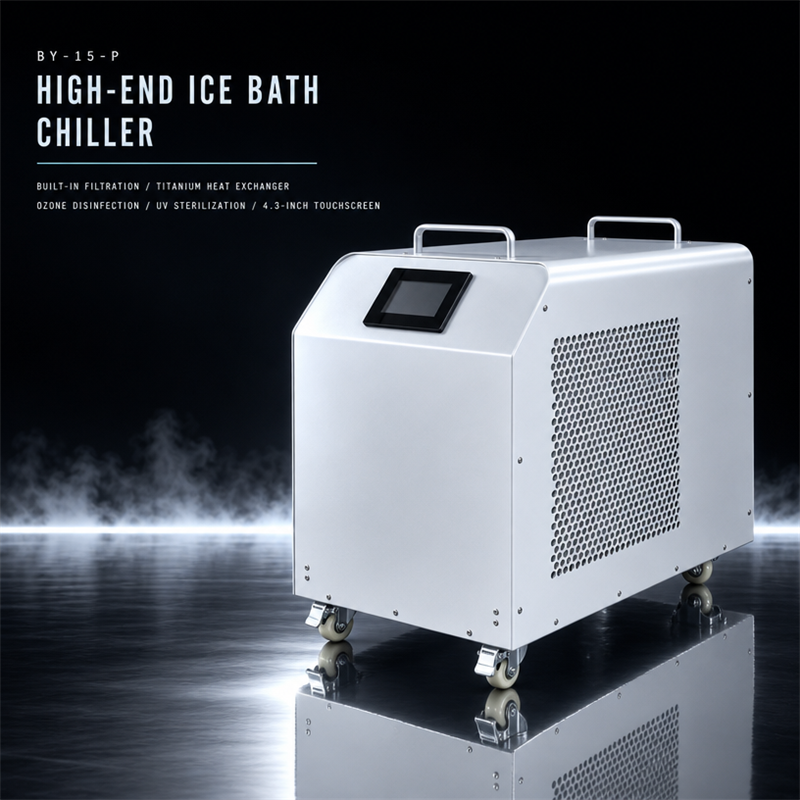
The journey from factory to your facility involves multiple critical touchpoints where environmental factors, handling practices, and documentation standards directly influence whether your equipment arrives damage-free and ready for operation. Understanding the nuances of packaging, shipping logistics, and international trade protocols empowers buyers to ask informed questions, negotiate service levels, and take proactive measures to protect their investment during transit.
Understanding Cold Plunge Chiller Packaging Standards
Structural Protection and Material Requirements
Proper packaging for a cold plunge chiller begins with recognizing that these units contain sensitive electronics, refrigeration components, and sealed water systems that demand multi-layer protection. Manufacturers typically employ heavy-duty corrugated cardboard as the primary outer shell, reinforced with internal wooden or foam frames that distribute impact loads and prevent compression damage during stacking. The interior cavity around the chiller is filled with expanded polystyrene foam, polyurethane padding, or air-cushion materials designed to absorb vibration and shock from handling, drop impacts, and road transportation.
The refrigeration circuit, pump assembly, and control electronics represent the most vulnerable subsystems within a cold plunge chiller package. Manufacturers secure these components with custom-molded foam inserts or rigid plastic supports that prevent shifting, contact between parts, and stress concentration during movement. All electrical connections are protected with waterproof covers, and the water tank is drained or partially filled depending on the shipping distance and destination climate to minimize weight while preventing internal structural stress.
Documentation and Compliance Marking
Professional packaging for a cold plunge chiller includes clear, standardized labeling that guides handlers through proper orientation, stacking limits, and fragile component warnings. Buyers should expect to see markings indicating fragile equipment, maximum stacking height, directional arrows showing correct orientation, and weight specifications clearly displayed on multiple sides of the package. This documentation ensures that warehouse personnel, logistics operators, and delivery teams understand how to handle the shipment safely throughout its journey.
Compliance markings also communicate special handling instructions such as 'This Side Up,' 'Do Not Drop,' and 'Keep Dry' in multiple languages if the packaging crosses international borders. These visual cues reduce the likelihood of rough handling, improper stacking, or exposure to environmental conditions that could compromise the integrity of the cold plunge chiller before it reaches your facility.
Shipping Logistics and Transportation Considerations
Domestic and International Shipping Routes
Shipping a cold plunge chiller domestically typically involves less regulatory complexity than international trade, but both require careful route planning and carrier selection. Domestic shipments move through established logistics networks with known handling standards and predictable transit times, usually ranging from three to ten business days depending on distance and carrier speed. International shipping introduces additional variables including customs clearance, port handling, multiple carrier handoffs, and weather exposure during ocean or air transit that demand higher-level protective packaging.
Buyers should understand that international trade for refrigerated equipment like a cold plunge chiller involves compliance with import regulations, phytosanitary requirements, and country-specific standards that vary by destination. Professional exporters structure shipments to minimize time in transit, select carriers with proven track records for handling sensitive equipment, and often utilize climate-controlled containers or expedited services to reduce exposure to temperature extremes and humidity that could affect electronics or refrigeration components.
Carrier Selection and Insurance Requirements
Selecting the right carrier for your cold plunge chiller shipment involves evaluating their experience with large, specialized equipment, their claims handling reputation, and their network coverage to your destination. Major carriers offer tiered service levels ranging from standard ground shipping to white-glove delivery with installation support, and the cost difference often justifies the added protection and accountability. Buyers purchasing from international suppliers should confirm whether the seller arranges and pays for international trade shipping, or whether the buyer assumes responsibility after the shipment leaves the factory.
Insurance is a critical consideration that many buyers overlook when planning a cold plunge chiller purchase. Standard carrier liability covers only a fraction of equipment value, and comprehensive insurance purchased through the shipper or a third-party provider protects against loss, damage, and theft throughout the entire shipping process. This is especially important for international trade transactions where multiple carrier handoffs and extended transit times increase risk exposure.
Best Practices for Receiving and Damage Verification
Pre-Delivery Inspection and Documentation
When your cold plunge chiller is delivered, the first critical step is a thorough visual inspection of the package before signing off on receipt. Examine the entire exterior for crushed corners, punctures, water stains, or signs of mishandling that could indicate internal damage even if the packaging appears superficially intact. Photograph or video record the package condition from multiple angles, as this documentation becomes essential if you need to file a damage claim with the carrier or initiate a dispute with your supplier.
Professional buyers understand that accepting delivery without documenting the package condition is equivalent to forfeiting damage claims and accepting full responsibility if problems emerge during unboxing or initial setup. Take time to note any visible damage on the carrier's delivery documentation, request the driver's signature acknowledging noted discrepancies, and retain copies of all shipping documentation for warranty and dispute resolution purposes.
Unboxing Protocols and Operational Testing
After physical inspection, carefully unbox your cold plunge chiller while documenting internal conditions and component positioning. Verify that all foam inserts are intact, that no debris or foreign material has entered the unit, and that all accessories and documentation are present and undamaged. Before powering on the equipment, perform a visual inspection of the control panel, electrical connections, water inlet and outlet ports, and refrigeration lines for any signs of impact, crushing, or fluid leakage.
Operational testing should proceed gradually, following the manufacturer's startup procedures and observing the unit's behavior during initial operation. Run the cold plunge chiller through a short diagnostic cycle to verify that cooling functions, pump operation, temperature display, and alarm systems respond correctly. This testing period typically occurs within the manufacturer's return window, ensuring that you can request a replacement or repair if the unit fails to meet specifications due to shipping damage.
FAQ
How long does cold plunge chiller packaging and shipping typically take?
Domestic shipping for a cold plunge chiller usually requires three to ten business days depending on distance and carrier selection. International shipping adds customs clearance time and can extend delivery to two to four weeks, particularly if ocean freight is used. Expedited air shipping reduces international transit time to five to seven days but increases costs substantially. Always confirm expected delivery timelines with your supplier before purchase to align with your facility preparation and operational readiness schedule.
What are common packaging damage indicators for cold plunge chiller units?
Common damage indicators include crushed or dented exterior corners, punctures in the cardboard box, water stains suggesting moisture exposure during shipping, or an audible shifting sound when the package is gently moved indicating foam deterioration or component movement inside. Weight inconsistencies, incorrect orientation markings, or visible fluid leakage warrant immediate documentation and carrier communication before opening the package. Buyers should also inspect the inner foam cushioning for compression damage, moisture absorption, or deterioration that could indicate the cold plunge chiller experienced temperature extremes or humidity exposure during international trade transit.
Should I purchase additional shipping insurance for my cold plunge chiller order?
Yes, purchasing comprehensive shipping insurance is strongly recommended for cold plunge chiller orders, particularly for high-value units or international shipments. Standard carrier liability typically covers only a small fraction of equipment value, leaving significant financial exposure in case of damage or loss. Full-value insurance through the shipper or a third-party provider costs two to five percent of equipment value but protects your entire investment, especially important when shipping involves multiple carriers, international borders, or extended transit times where risk is highest.
 EN