Selecting the right Cold Therapy Machine requires careful evaluation of multiple technical, operational, and commercial factors. Whether you are sourcing for a wellness facility, rehabilitation center, athletic training program, or home use, the decision extends far beyond initial cost. Buyers must understand performance specifications, reliability requirements, installation logistics, and long-term maintenance implications to make an informed investment.
This buyer guide examines the essential considerations that separate well-informed product selection from costly purchasing mistakes. Understanding these factors before engaging suppliers will strengthen your sourcing process and ensure the equipment meets your operational demands and financial expectations.
Understanding Performance and Specifications
Temperature Control and Consistency
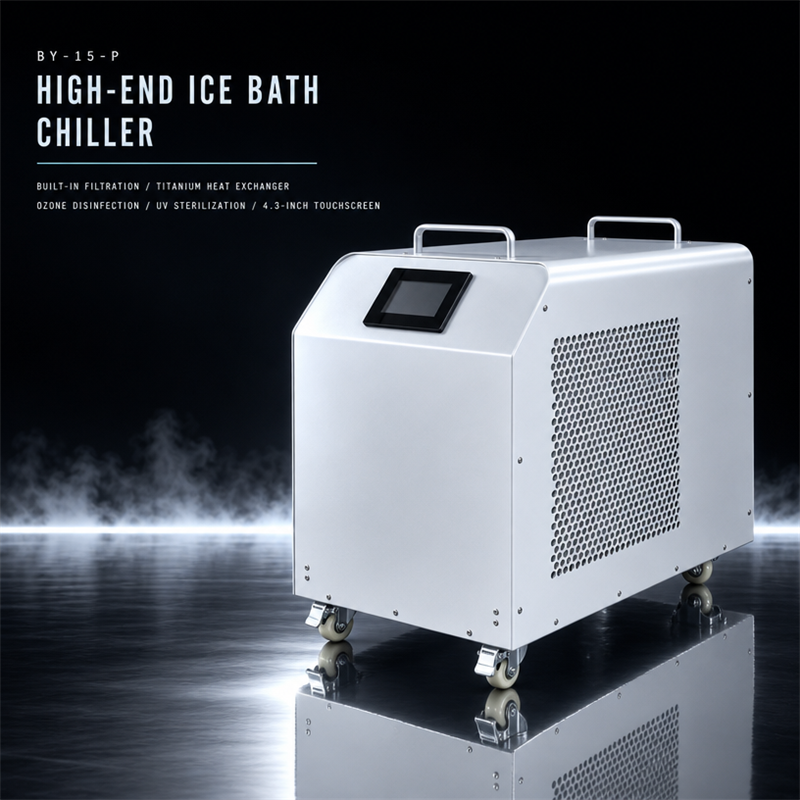
Temperature precision is fundamental to cold therapy effectiveness and safety. When sourcing a cold therapy machine, verify the equipment maintains stable temperatures within a narrow operating range, typically between 50°F and 65°F for therapeutic applications. Machines with poor temperature regulation can deliver inconsistent therapy outcomes and increase risk of cold injury. Request detailed performance data showing how quickly the system reaches target temperature and how well it maintains that temperature under various load conditions. Advanced systems include digital displays and programmable settings that allow operators to customize therapy protocols for different treatment types.
Cooling Capacity and Flow Rate
Cooling capacity determines how effectively the machine delivers cold therapy to users. Measured in BTUs or watts, this specification must match your facility's treatment volume and intensity requirements. A buyer guide for sourcing should emphasize that inadequate cooling capacity forces longer treatment sessions, reduces operational efficiency, and may limit simultaneous user treatment. Flow rate similarly impacts therapy delivery, affecting how quickly water circulates through treatment applicators or immersion chambers. Suppliers should provide clear specifications on maximum and sustained cooling output, recovery time between treatments, and any limitations during peak usage periods.
Operational Integration and Installation Requirements
Space, Utilities, and Infrastructure
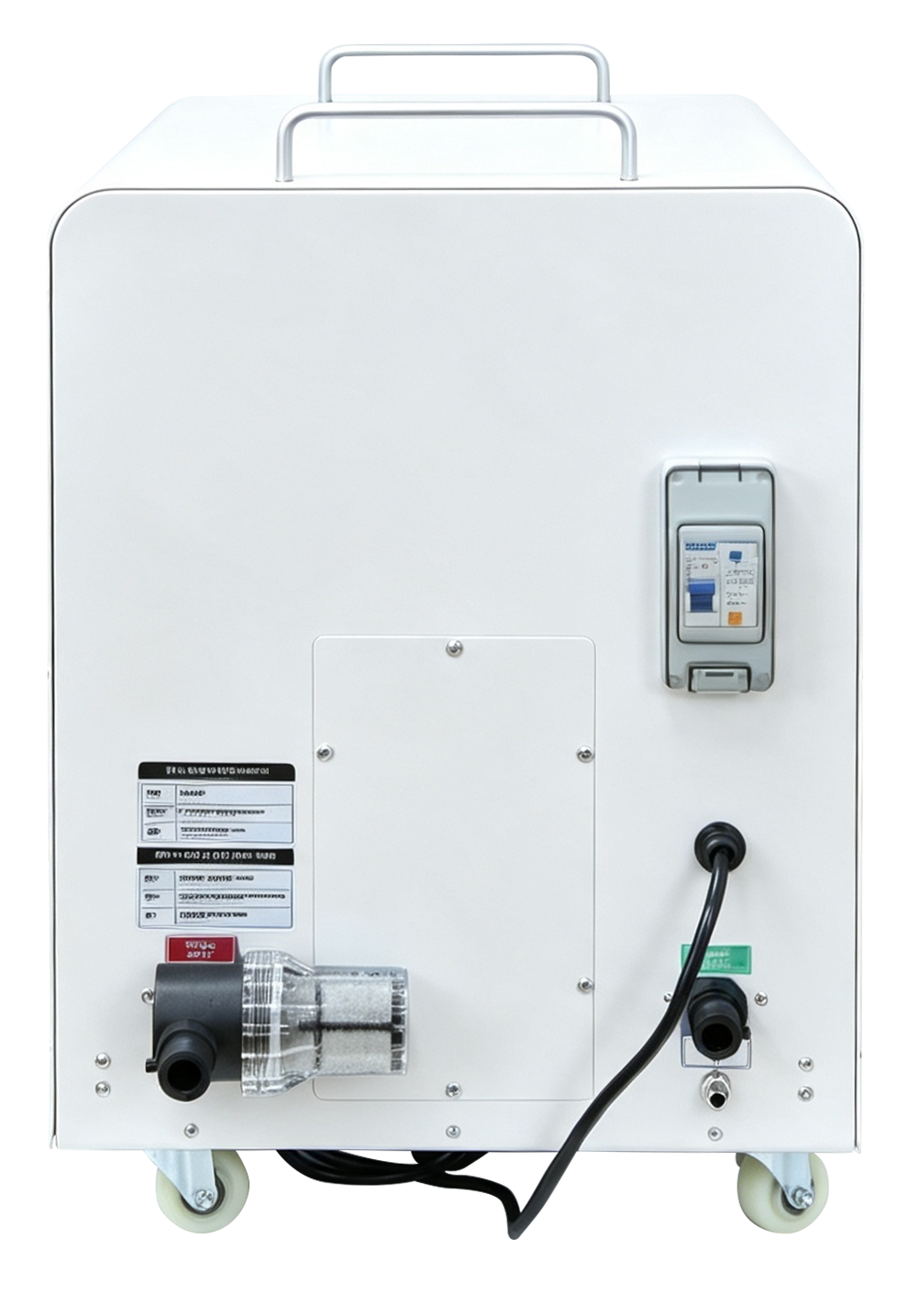
Physical installation demands significantly influence sourcing decisions and total cost of ownership. Evaluate the footprint requirements and compare available space in your facility before committing to a specific model. Cold therapy equipment typically requires dedicated electrical circuits with adequate amperage capacity, water supply connections, and drainage systems. Some advanced machines demand specialized HVAC or ambient temperature control to function optimally. Buyers should consult with facility managers and contractors to confirm all infrastructure requirements can be met without expensive renovations. Poor planning at this stage frequently results in installation delays, cost overruns, or equipment that operates below designed performance levels.
User Interface and Training Requirements
Operator experience directly affects treatment consistency and equipment longevity. When sourcing, prioritize systems with intuitive controls, clear safety protocols, and comprehensive operator documentation. Manufacturers should provide hands-on training for your staff and ongoing technical support. Complex machines require more extensive staff training, which increases operational costs and introduces greater risk of misuse. Request information about standard operator certification programs, available online resources, and responsiveness of technical support teams. Equipment with well-designed interfaces reduces operator errors, minimizes downtime from confusion, and supports reliable treatment delivery.
Reliability, Support, and Total Cost Considerations
Build Quality, Warranty, and Service Agreements
Long-term equipment reliability protects your investment and ensures consistent therapy availability. During the sourcing process, examine component quality, construction standards, and expected equipment lifespan. Request independent performance data or customer references demonstrating real-world durability. Warranty coverage should address mechanical components, electronics, and refrigeration systems for a minimum of two years. Beyond warranty, establish service agreements with the supplier covering preventive maintenance, emergency repairs, and parts availability. Machines requiring frequent repairs or difficult-to-source replacement parts create hidden costs that undermine initial purchase savings. Transparent communication with suppliers about maintenance protocols and support responsiveness protects your facility's operational continuity.
Total Cost of Ownership Framework
Buyers must evaluate sourcing decisions using comprehensive total cost analysis, not just upfront purchase price. Calculate five-year ownership costs including electricity consumption, water usage, maintenance labor, replacement parts, and potential downtime impacts. Energy-efficient cold therapy machines reduce operational expenses significantly over time. Request utilities consumption specifications and compare models using standardized calculation methods. Machines requiring frequent descaling, filter replacement, or refrigerant maintenance impose ongoing service costs. Build a detailed financial model incorporating all these factors to identify which options deliver genuine long-term value. Many buyers discover that selecting the lowest-cost machine at initial purchase creates substantially higher total costs across the equipment's operational life.
FAQ
What key specifications should be prioritized when sourcing a cold therapy machine?
Prioritize temperature precision and stability, cooling capacity in BTUs or watts, flow rate performance, and energy efficiency ratings. These core specifications directly impact treatment effectiveness, operational efficiency, and long-term costs. Request detailed performance data from suppliers to compare options using consistent metrics. Verify that specifications align with your facility's treatment volume, user types, and therapy protocols before making sourcing commitments.
How should buyers evaluate supplier reliability when sourcing equipment?
Request customer references from facilities similar to yours and inquire about typical response times for technical support calls. Examine warranty terms carefully and understand what components and labor are covered. Ask suppliers about average equipment lifespan, common failure modes, and parts availability timeframes. Established manufacturers with strong service networks and transparent communication typically provide greater sourcing confidence than newer suppliers with limited track records or unclear support policies.
What installation factors should buyers consider during the sourcing process?
Confirm your facility has adequate electrical capacity, water supply connections, and drainage infrastructure before finalizing sourcing decisions. Measure available space and verify equipment footprint requirements. Ask suppliers about installation timelines, any facility modifications needed, and whether installation support is included. Coordinate with your facilities team early in the buyer guide process to identify potential complications and budget appropriately for necessary infrastructure upgrades.
 EN