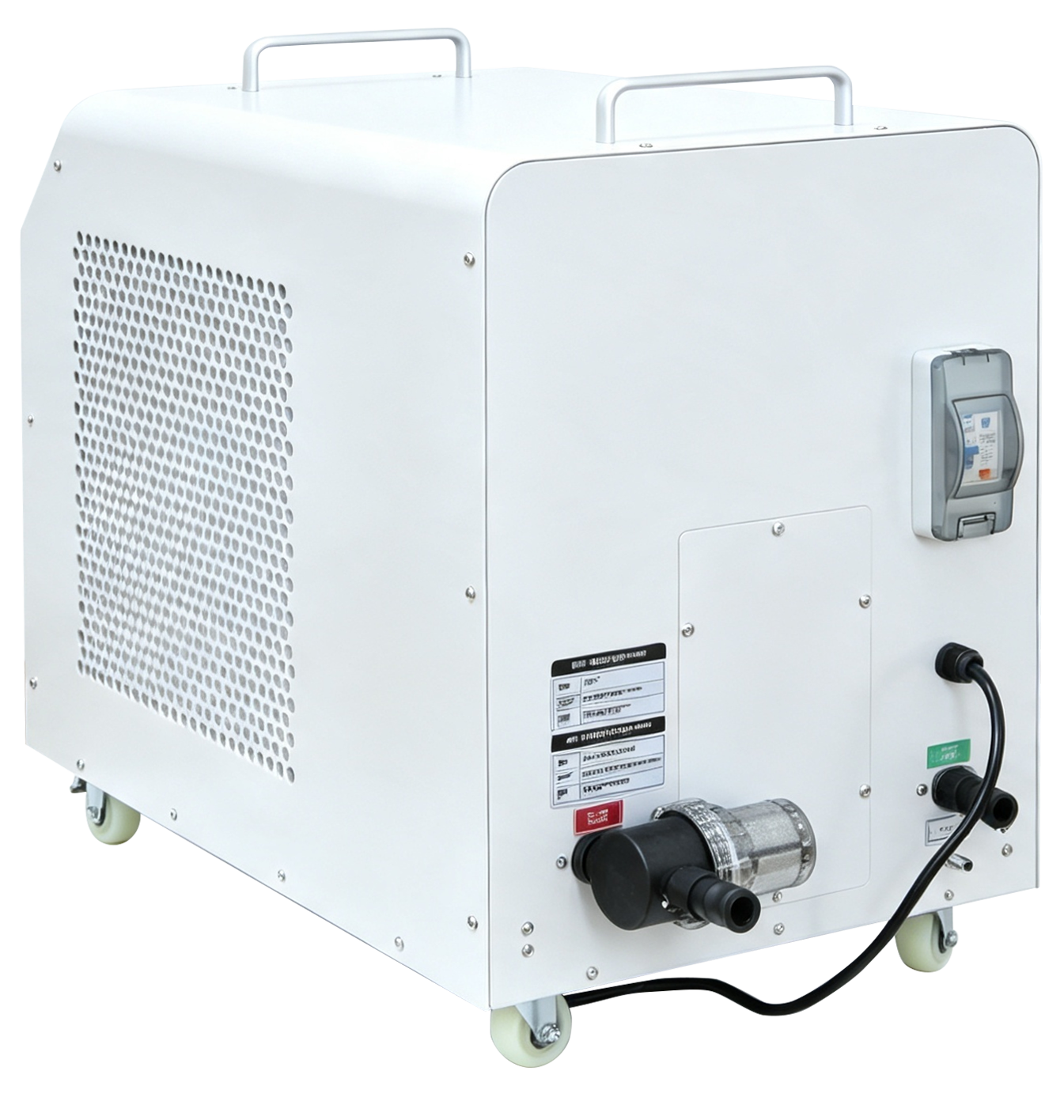
Selecting the right cold plunge chiller requires careful evaluation of multiple technical and operational factors. Whether you are sourcing equipment for wellness facilities, athletic recovery centers, or residential installations, understanding the key performance criteria will help you make an informed decision that aligns with your specific needs and budget.
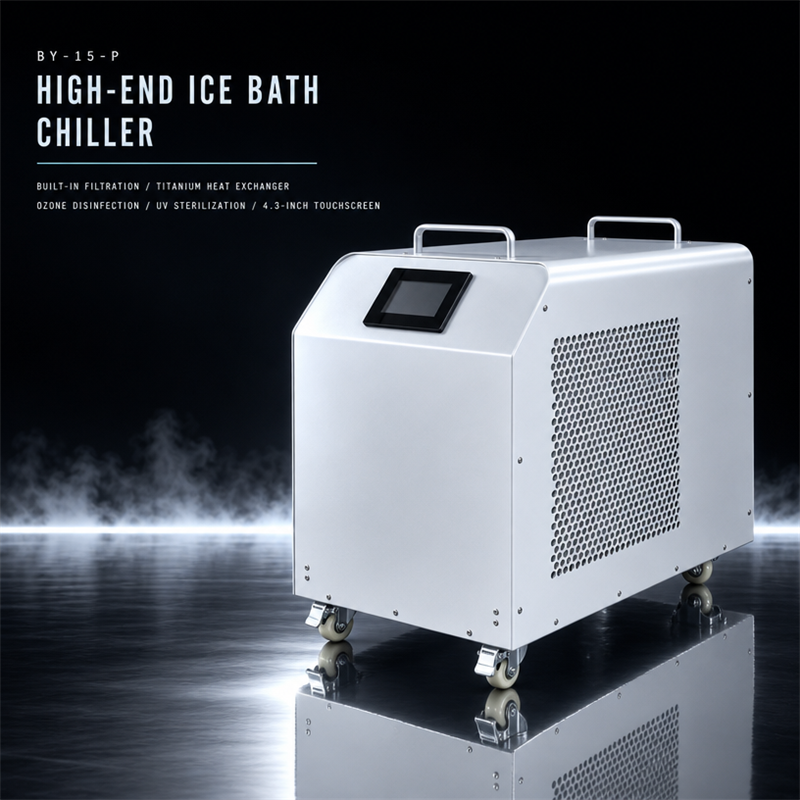
The market offers diverse options with varying capabilities, and a structured buyer checklist helps filter products that deliver both value and reliability. This guide walks through the critical comparison points that distinguish premium units from basic alternatives and ensures your sourcing process yields the best match for your operational requirements.
Cooling Capacity and Temperature Control
Chilling Power and Speed
Cooling capacity, measured in BTU per hour or watts, directly determines how quickly a unit reaches target temperatures and maintains them under load. When sourcing a cold plunge chiller, verify that the compressor size and refrigerant circuit match your pool volume and desired temperature range. A 0.5 HP chiller may suit smaller residential pools, while commercial installations typically require 1 to 2 HP or higher. Compare the time each model needs to chill 500 or 1000 gallons from ambient to 39°F, as this reveals real-world performance during peak usage periods.
Precision Temperature Management
Digital thermostat systems allow buyers to set and maintain exact temperatures with minimal fluctuation. During comparison, check whether the unit offers graduated control, preset modes, or adaptive algorithms that adjust compressor cycles based on actual water temperature. Quality cold plunge chiller models feature PID (Proportional-Integral-Derivative) controllers that prevent temperature swings, which is critical for athlete recovery protocols and therapeutic applications where consistency matters.
Build Quality and Durability Factors
Materials and Construction Standards
The frame, insulation, and internal plumbing materials significantly affect longevity and resistance to corrosion. When evaluating sourcing options, prioritize stainless steel or high-grade powder-coated steel for housing, and check that refrigerant lines use copper tubing with appropriate wall thickness. Buyers should confirm whether the unit employs foamed or sprayed polyurethane insulation for thermal efficiency, as cheaper alternatives lose effectiveness over time. Ask vendors about warranty terms on the compressor, pump, and tank integrity, since these components represent the bulk of replacement costs.
Compliance and Safety Features
Certified cold plunge chiller units comply with electrical codes, refrigerant handling standards, and water quality regulations. During comparison, verify that models include automatic shutoff valves, pressure relief systems, and leak detection sensors. Check certifications such as UL, ETL, or equivalent regional approval marks. Buyers in commercial settings must confirm that units meet health and safety codes for therapeutic or athletic facilities, which often mandate secondary containment for refrigerant and specific drainage protocols.
Advanced Features and Sterilization Options
Water Purification and Sanitation
Modern cold plunge chiller designs integrate UV light, ozone systems, or mineral cartridge technology to reduce chlorine dependency and minimize bacterial growth. When sourcing, compare whether each model includes integrated filtration, UV sterilization, or ozone compatibility. These features reduce maintenance burden, extend water change intervals, and improve user safety. Evaluate the cost of replacement UV bulbs or ozone cartridges as part of the total cost of ownership, since premium units often justify higher upfront expense through lower operational costs.
Operational Intelligence and Controls
Smart connectivity features allow remote monitoring, scheduling, and diagnostics through mobile apps or web dashboards. Buyers comparing modern cold plunge chiller options should assess whether units offer real-time alerts for maintenance needs, temperature deviations, or component failures. WiFi-enabled or Bluetooth models facilitate predictive maintenance by logging operating hours and system performance metrics, reducing emergency downtime and extending equipment lifespan significantly.
Sourcing Considerations and Cost Factors
Installation and Space Requirements
Evaluate the physical footprint, weight, and connection specifications before making a sourcing decision. Some cold plunge chiller models feature compact designs suitable for residential or boutique spaces, while others require dedicated mechanical rooms with proper ventilation. Compare electrical requirements, as commercial-grade units may need 230V or 480V three-phase power rather than standard 120V residential service. Check installation lead times and whether vendors provide site assessment or professional setup as part of the sourcing package.
Long-Term Ownership Economics
Calculate the total cost of ownership by combining purchase price, installation expenses, utility consumption, maintenance frequency, and expected component replacement cycles. A buyer checklist should include energy efficiency ratings, such as EER or SEER scores, which indicate operating cost. Compare maintenance requirements, availability of spare parts, and service network density in your region. Premium cold plunge chiller brands often offer superior parts availability and lower repair costs over time, offsetting higher initial investment through reduced downtime and labor expenses.
FAQ
What cooling capacity do I need when sourcing a cold plunge chiller for my facility?
Cooling capacity depends on your pool volume, desired temperature, and ambient conditions. For a 500-gallon residential unit, a 0.5 HP chiller typically works well. Commercial facilities or larger residential pools may require 1 to 2 HP systems. Calculate based on the time you want to achieve target temperature and account for heat loss through the tank walls and user entry. Consult with your vendor to model specific scenarios before finalizing your sourcing decision.
Should I prioritize built-in sterilization when comparing cold plunge chiller models?
Built-in UV or ozone sterilization significantly reduces chemical dependency and maintenance demands, making it valuable for high-use facilities or those serving sensitive populations. While these features add upfront cost, they lower operational expenses and improve water quality consistency. For residential use with lower frequency, a cold plunge chiller without integrated sterilization may suffice if you maintain proper filtration and chemical balance separately. Your sourcing decision should reflect your facility's usage pattern and staff expertise.
What warranty coverage should I expect during the cold plunge chiller sourcing process?
Industry-standard warranties typically cover the compressor and refrigerant system for 2 to 5 years, with tank integrity covered for 1 to 3 years. Premium cold plunge chiller brands often extend warranties to cover pumps, electrical components, and labor. Compare warranty terms carefully when sourcing, including whether coverage includes refrigerant, seasonal maintenance, or only parts replacement. Extended warranty options may justify higher purchase prices if your facility operates year-round or in demanding conditions.
 EN