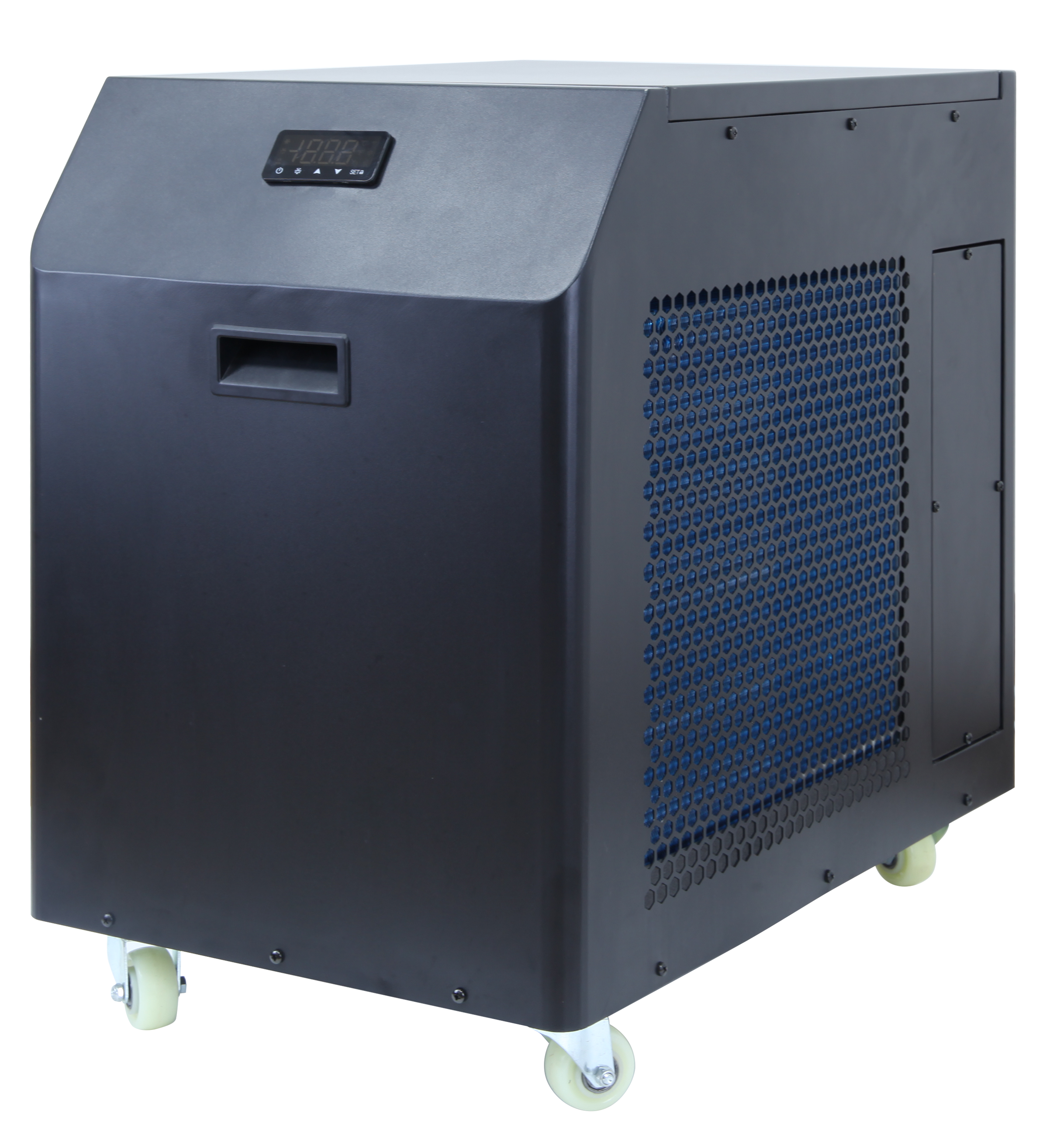
When your facility decides to invest in cold plunge equipment, the procurement process requires careful evaluation and strategic questioning. Making the right purchasing decision protects your investment, ensures member satisfaction, and delivers measurable recovery benefits to your athletes or facility users. Many buyers rush through vendor selection without understanding the technical specifications, safety requirements, and long-term operational costs that separate high-quality systems from mediocre installations.
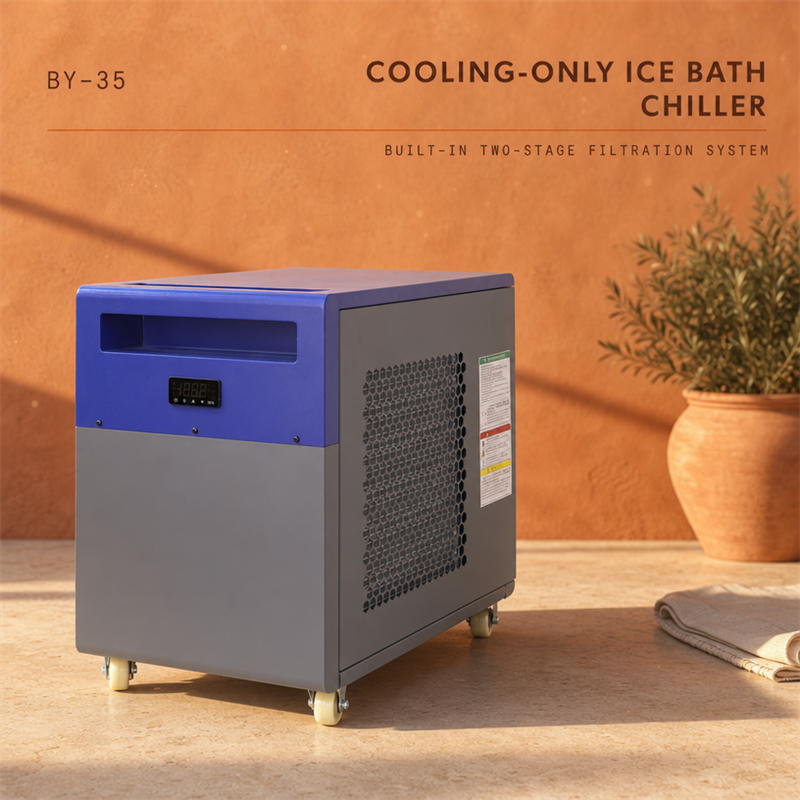
Informed buyer questions during procurement prevent costly mistakes and ensure your cold plunge system performs reliably for years. This guide outlines the essential inquiries that procurement managers and facility leaders should make before ordering, covering quality standards, equipment specifications, vendor support, and total cost of ownership. By asking the right questions upfront, you'll establish clear expectations and build a foundation for successful implementation.
Understanding Equipment Specifications and Capacity
What Size and Temperature Range Does the System Provide?
Temperature control is fundamental to cold plunge efficacy and safety. Ask vendors to specify the exact minimum and maximum temperature range, typical operational range, and how quickly the system reaches target temperatures. Quality systems maintain consistent temperature within one to two degrees, critical for reproducible recovery protocols. Capacity matters equally—determine how many users the system accommodates per session and whether batch or continuous circulation is required for your membership volume.
What Are the Filtration and Water Quality Standards?
Water quality directly impacts user safety and equipment longevity. During procurement, request detailed specifications on filtration micron levels, circulation rates, and sanitization methods the system employs. Ask whether the cold plunge uses advanced filtration technology, UV sterilization, or chemical dosing systems, and what maintenance intervals each requires. Verify that the quality standards meet or exceed local health department requirements and industry best practices for hydrotherapy equipment.
Evaluating Vendor Support and Operational Requirements
What Installation, Training, and Ongoing Support Does the Vendor Provide?
Comprehensive vendor support determines long-term success of your cold plunge investment. Buyer questions should address installation timelines, site preparation requirements, electrical infrastructure needs, and whether the vendor handles commissioning. Ask about staff training—does the vendor provide operator certification, maintenance protocols, and emergency troubleshooting guides? Quality vendors invest in customer success through detailed onboarding, regular check-ins, and responsive technical support channels.
What Are the Maintenance Requirements and Expected Component Lifespan?
Understanding maintenance demands prevents operational disruptions and budget surprises. Request documentation on recommended service intervals, typical parts replacement schedules, and warranty coverage for major components like compressors, pumps, and control systems. Ask whether maintenance can be performed in-house or requires certified technicians, and what spare parts the vendor stocks for emergency repairs. Quality procurement includes negotiating service response times and establishing preventive maintenance agreements aligned with your operational calendar.
Assessing Safety, Compliance, and Total Cost Considerations
What Safety Features and Compliance Certifications Does the Cold Plunge Include?
Safety certifications validate that your cold plunge meets regulatory standards and protects users. During procurement, verify that the system holds relevant certifications such as CE marking, UL listing, or NSF/ANSI approval where applicable. Ask about built-in safety features including emergency stop mechanisms, water temperature alarms, slip-resistant surfaces, and user education requirements. Quality systems include clear warning labels, automatic shutoff protocols for temperature anomalies, and documented safety procedures aligned with industry guidelines.
What Is the Total Cost of Ownership Beyond Purchase Price?
Smart buyer questions address hidden expenses that accumulate over equipment lifetime. Request itemized quotes including installation, electrical work, water supply modifications, and optional features. Ask about energy consumption rates, typical utility costs under normal operation, chemical treatment expenses, and recommended maintenance contracts. Calculate three-year and five-year total cost scenarios to compare vendors fairly. Quality vendors provide transparent pricing, detailed cost breakdowns, and efficiency ratings that demonstrate value beyond initial purchase price.
FAQ
What buyer questions should focus on for cold plunge water circulation systems?
Ask vendors about circulation rates measured in gallons per minute, turnover frequency to ensure complete water renewal, and filtration efficiency at maintaining particle clarity. Inquire whether the system uses variable-speed circulation that reduces energy costs, and request documentation of water quality test results from existing installations. Quality systems achieve rapid circulation without excessive noise or turbulence, protecting user comfort and equipment durability.
How do procurement managers evaluate cold plunge vendor reputation and reliability?
Request references from similar facilities that have operated the vendor's cold plunge systems for at least two years. Ask about average uptime rates, documented service response times, and customer satisfaction ratings. Quality vendors willingly share case studies, testimonials, and performance metrics that demonstrate their commitment to reliable equipment and attentive customer support throughout the equipment lifecycle.
What procurement red flags should buyers watch for in cold plunge equipment quotes?
Be cautious of vendors offering unusually low prices without clear justification, vague specifications that lack technical detail, or refusal to provide warranty documentation. Question vendors who cannot demonstrate compliance certifications or provide references from established facilities. Quality vendors distinguish themselves through transparent communication, comprehensive documentation, and confidence in their products backed by verifiable customer success stories.
 EN