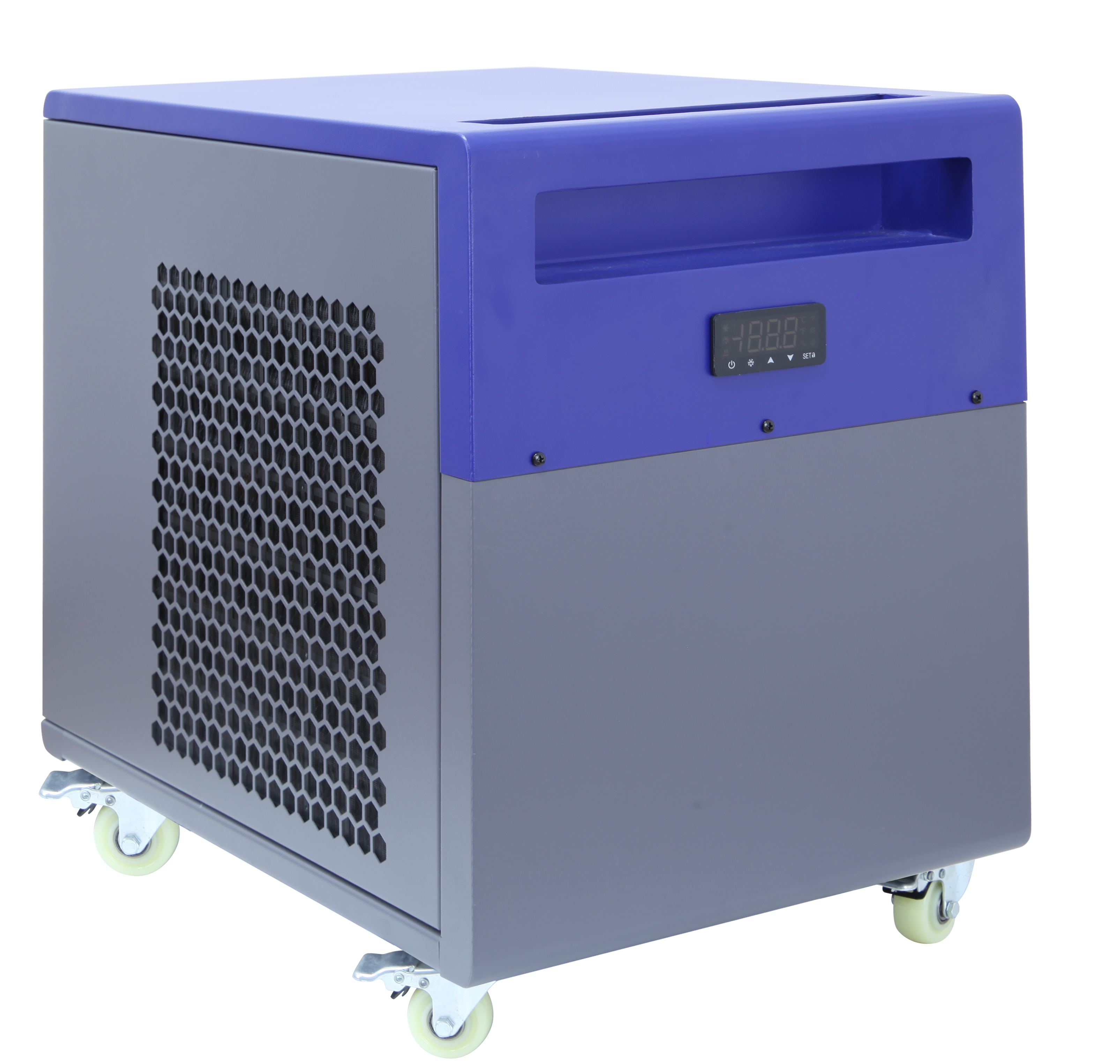
The cold plunge serves as a cornerstone therapy in modern contrast therapy protocols, delivering measurable physiological responses that support recovery, athletic performance, and overall wellness. When athletes, fitness enthusiasts, and wellness practitioners combine cold water immersion with heat exposure, they activate powerful adaptive mechanisms that enhance circulation, reduce inflammation, and accelerate tissue recovery. Understanding the specific role of cold plunge within contrast therapy frameworks helps practitioners and individuals optimize their recovery strategies and achieve sustained wellness outcomes.
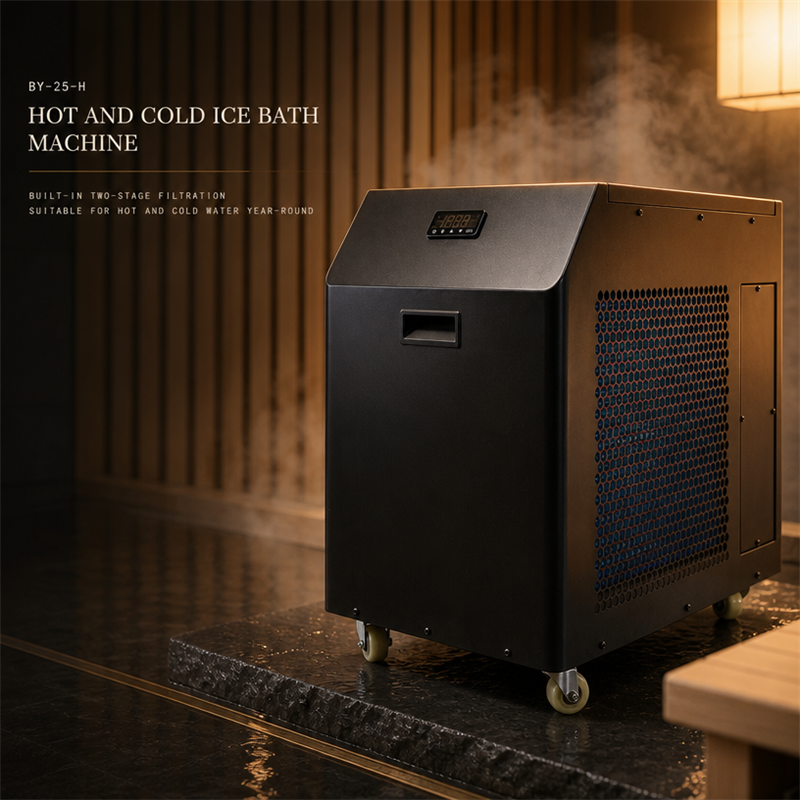
Contrast therapy works by alternating between hot and cold environments, and the cold plunge component triggers specific metabolic and vascular responses. This thermal contrast stimulates the body's nervous system, improves blood flow distribution, and enhances the clearance of metabolic waste products. The strategic application of cold water immersion within contrast therapy sessions amplifies cellular adaptation, supporting faster recovery times and improved physiological resilience for both active individuals and those pursuing general wellness goals.
The Physiological Foundation of Cold Plunge in Contrast Therapy
Vascular and Circulatory Mechanisms
Cold plunge exposure initiates vasoconstriction, narrowing blood vessels to preserve core body temperature and redirect blood flow toward vital organs. When you transition from a sauna or heated environment into cold water, the contrast creates a powerful vascular pump effect. Blood vessels alternately constrict and dilate, improving overall circulation and enhancing oxygen delivery to recovering tissues. This repeated vascular stimulation strengthens endothelial function and improves the efficiency of nutrient transport throughout the body.
The contrast therapy cycle accelerates blood circulation by forcing the cardiovascular system to adapt rapidly to temperature changes. Each cold plunge session trains your vascular system to respond more efficiently to thermal stress, which translates into improved circulation during daily activities and enhanced athletic performance. Research in contrast therapy demonstrates that regular cycling between sauna and cold water immersion produces sustained improvements in vascular flexibility and blood flow distribution, supporting both immediate recovery and long-term wellness benefits.
Nervous System and Metabolic Response
The cold plunge activates the parasympathetic nervous system through a controlled stress response, triggering the release of norepinephrine and other adaptive hormones that support recovery and pain management. This controlled physiological challenge strengthens the body's ability to regulate stress responses and enhances overall nervous system resilience. Cold water immersion also influences metabolic rate, increasing thermogenesis and supporting the body's adaptive thermogenic processes, which contributes to improved energy utilization and metabolic efficiency over time.
When integrated into contrast therapy protocols that alternate with sauna heat exposure, cold plunge therapy enhances the hormonal cascade that supports muscle repair and growth. The thermal contrast stimulates heat shock proteins and other adaptive molecules that facilitate cellular recovery and resilience. This combination of nervous system activation and metabolic enhancement makes contrast therapy a comprehensive wellness intervention that addresses multiple recovery pathways simultaneously.
Integrating Cold Plunge with Sauna in Contrast Therapy Protocols
Optimal Sequencing and Duration
Effective contrast therapy protocols typically begin with sauna exposure to elevate core body temperature and prepare tissues for the subsequent cold plunge stimulus. After 10 to 15 minutes in a sauna environment, transitioning into cold water for 2 to 3 minutes creates the optimal thermal contrast without excessive stress. The contrast therapy cycle can be repeated 2 to 4 times per session, with each successive cycle potentially enhanced by previous thermal conditioning. Proper sequencing ensures that the cold plunge component delivers maximum benefit within the contrast therapy framework while maintaining physiological safety and comfort.
The duration and intensity of cold plunge exposure should align with individual tolerance levels and wellness objectives. Beginners to contrast therapy may start with shorter cold water immersion periods and gradually extend duration as the body adapts to the thermal stress. Advanced practitioners can extend cold plunge sessions and perform additional cycles, provided they remain within their physiological capacity. Temperature contrast between sauna and cold plunge environments matters significantly—the greater the difference, the more pronounced the vascular and physiological response, so optimization of both components supports superior contrast therapy results.
Individual Considerations and Safety
Cold plunge therapy within contrast therapy protocols requires careful attention to individual health status, cardiovascular fitness, and wellness history. Individuals with cardiovascular conditions, hypertension, or temperature sensitivity should consult healthcare providers before initiating contrast therapy practices. Proper acclimatization through gradual exposure to both sauna and cold water helps the body adapt safely to thermal stress. Wellness practitioners should monitor participants during contrast therapy sessions for signs of excessive stress or discomfort, ensuring that cold plunge exposure remains within safe physiological parameters.
Recovery and hydration practices surrounding contrast therapy sessions enhance safety and maximize wellness benefits. Adequate preparation, including proper hydration before sauna exposure and appropriate cooling periods after cold plunge immersion, supports optimal physiological adaptation. Individuals recovering from illness or experiencing fatigue should postpone contrast therapy sessions until baseline wellness improves. These safety considerations ensure that cold plunge therapy delivers its intended benefits while maintaining participant wellbeing throughout contrast therapy implementation.
Practical Applications and Wellness Outcomes
Athletic Recovery and Performance Enhancement
Athletes integrate cold plunge therapy into contrast therapy protocols to accelerate recovery after intense training sessions and competitions. Cold water immersion reduces inflammation in worked muscles, while the subsequent sauna phase supports muscle protein synthesis and tissue repair. This combination makes contrast therapy an effective tool for managing training load, reducing perceived soreness, and maintaining consistent performance throughout demanding training cycles. Professional athletes and recreational enthusiasts both report improved recovery quality and reduced injury rates when contrast therapy becomes a regular component of their training and wellness routines.
The cold plunge component within contrast therapy protocols supports faster return to baseline performance following hard efforts. By enhancing circulatory function and accelerating metabolic waste clearance, contrast therapy reduces the typical recovery window needed between intense training sessions. Athletes can maintain higher training frequencies and improved performance consistency when contrast therapy supports their recovery ecosystem. The immediate and cumulative benefits make cold plunge therapy a practical investment in long-term athletic development and sustained wellness.
General Wellness and Stress Management
Beyond athletic applications, contrast therapy incorporating cold plunge exposure supports general wellness, stress resilience, and improved daily functioning for diverse populations. The nervous system adaptation triggered by cold water immersion within contrast therapy protocols enhances stress tolerance and emotional regulation. Regular contrast therapy practitioners report improved sleep quality, reduced anxiety, and enhanced overall wellbeing, reflecting the broad physiological impact of cold plunge therapy on systemic health. Wellness professionals increasingly recommend contrast therapy as a comprehensive self-care practice that addresses physical recovery, nervous system resilience, and mental wellness simultaneously.
Individuals pursuing preventive wellness and longevity benefits find value in integrating cold plunge therapy within contrast therapy frameworks. The hormonal and cardiovascular adaptations triggered by regular thermal contrast exposure support metabolic health, immune function, and cellular resilience over extended periods. Cold plunge therapy within contrast therapy represents an evidence-supported wellness practice accessible to diverse individuals seeking to optimize their recovery capacity, stress management, and long-term health outcomes.
FAQ
How frequently should someone practice contrast therapy with cold plunge for optimal wellness benefits?
Most wellness professionals recommend contrast therapy sessions 1 to 3 times per week for optimal results without overtraining the adaptive response. Beginners should start with once weekly contrast therapy and gradually increase frequency as the body adapts to the thermal stress. Advanced practitioners may perform contrast therapy 3 to 4 times weekly, particularly if integrated into structured training programs. Individual recovery capacity, overall training load, and stress levels should guide frequency decisions to ensure contrast therapy supports rather than compromises wellness objectives.
What water temperature should be used for cold plunge within contrast therapy protocols?
Optimal cold plunge temperatures typically range from 50 to 60 degrees Fahrenheit for effective contrast therapy without excessive physiological stress. Some advanced practitioners tolerate and benefit from temperatures as low as 35 to 45 degrees Fahrenheit, though this requires significant acclimatization. The specific temperature should create sufficient thermal contrast with the sauna environment to trigger adaptive responses while remaining within individual tolerance limits. Starting with warmer temperatures and gradually decreasing temperature over successive sessions allows safe progression in cold plunge therapy within contrast therapy frameworks.
Can anyone safely participate in contrast therapy using cold plunge and sauna?
Most healthy individuals can safely practice contrast therapy, though certain populations require medical clearance before beginning. Individuals with cardiovascular disease, uncontrolled hypertension, pregnancy, or severe temperature sensitivity should consult healthcare providers before initiating contrast therapy protocols. Gradual acclimatization and proper technique reduce risks for those without contraindications. Starting with shorter, less intense contrast therapy sessions and progressively building duration and frequency allows safe participation in this effective wellness practice for diverse age groups and fitness levels.
 EN