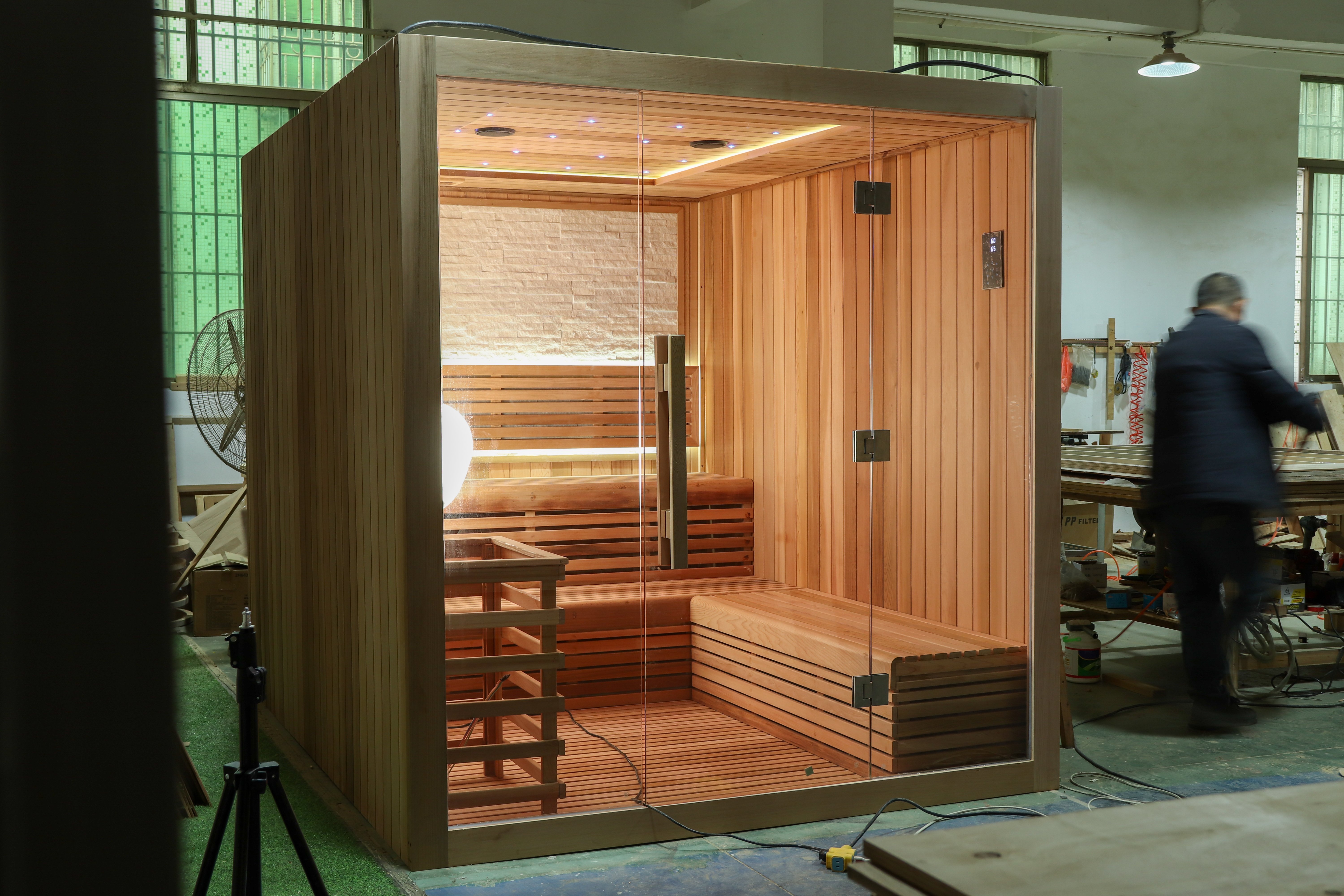
Selecting the right sauna for your facility or business requires careful attention to quality control standards and procurement practices. Whether you're a facility manager, spa owner, or wellness center buyer, understanding the critical quality control factors will help you make an informed decision that protects your investment and ensures long-term user satisfaction. A sauna is more than just a luxury amenity; it's a significant capital expenditure that demands rigorous evaluation across multiple quality dimensions.
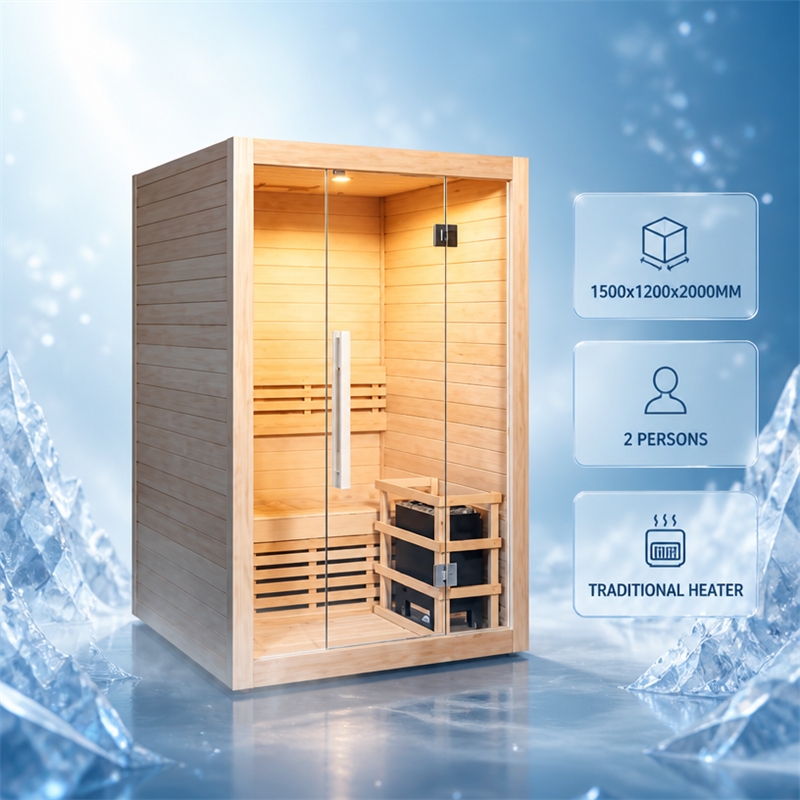
The procurement process for a sauna involves evaluating material integrity, construction durability, safety certifications, thermal performance, and vendor reliability. As a buyer, your quality control checklist must address each of these areas systematically to avoid costly mistakes, warranty disputes, or operational failures. This guide walks you through the essential quality control considerations that distinguish a reliable sauna from a problematic purchase.
Material Quality and Construction Standards
Wood Selection and Durability
The wood species used in sauna construction directly impacts longevity and performance. During procurement quality control, verify that the sauna is built from heat-resistant woods like hemlock, cedar, or spruce, which naturally resist warping and degradation in high-moisture environments. Request detailed material specifications from the vendor, including wood grade certification and moisture content at delivery. A buyer should inspect the wood grain for consistency and examine joints for proper fit and sealing, as poor construction here leads to steam leakage and structural failure within months.
Hardware and Assembly Quality
Stainless steel fasteners, hinges, and door mechanisms are critical sauna components that demand quality control attention. Inferior hardware corrodes rapidly in the humid sauna environment, compromising door function and safety. During procurement evaluation, request specifications for all metal components and verify stainless steel grade, thickness, and corrosion-resistant coatings. Examine door seals, weatherstripping, and ventilation port construction for tight tolerances and professional finishing. Poor assembly workmanship becomes evident through misaligned panels, gaps, and loose internal components that rattle or shift when handled.
Safety Certifications and Regulatory Compliance
Electrical and Thermal Safety Standards
A buyer conducting procurement quality control must verify that the sauna meets applicable electrical and thermal safety codes in your jurisdiction. Request certificates of compliance for heater performance, electrical insulation, temperature control accuracy, and emergency shut-off functionality. The sauna's heating element should have certified wattage output, thermostat calibration documentation, and proof of over-temperature protection systems. Examine the heater installation for proper electrical grounding, circuit protection, and clearance from combustible materials. These certifications aren't just bureaucratic requirements; they reflect whether the manufacturer invested in genuine quality control processes or cut corners on safety testing.
Documentation and Warranty Coverage
Legitimate sauna vendors provide comprehensive documentation including installation manuals, maintenance schedules, parts lists, and warranty terms. During procurement evaluation, request and review these materials before purchase. A sauna with weak or limited warranty coverage often signals manufacturing shortcuts or quality confidence issues. Verify warranty duration for structural components, heaters, and electrical systems, and understand what defects are covered versus excluded. A reputable buyer partner will stand behind their products with substantial warranties and clear documentation of quality control testing performed at the factory.
Performance Verification and Operational Standards
Thermal Efficiency and Performance Testing
As a buyer, you should require documentation proving that the sauna achieves specified temperature ranges and maintains heat retention effectively. Request test results showing how quickly the sauna reaches 180 to 200 degrees Fahrenheit and how long it maintains temperature once the heater cycles. Poor insulation, ventilation design flaws, or undersized heating elements all lead to disappointing thermal performance that frustrates users and damages your facility's reputation. Quality control testing should include humidity management assessment, as proper sauna design balances heat retention with moisture control to prevent wood degradation and user discomfort.
Ventilation and Air Quality Design
Proper ventilation is essential for sauna safety and user experience, yet many budget-conscious sauna models compromise ventilation design during procurement and manufacturing. Verify that the sauna includes fresh air intake, exhaust ports with adjustable dampers, and certified ventilation rates meeting industry standards. A buyer should understand that inadequate ventilation creates stagnant air pockets, promotes bacterial growth, and reduces oxygen availability, creating health and safety risks. Request factory documentation of ventilation system testing and ask the vendor to explain how their quality control process ensures ventilation integrity across all units delivered.
Supplier Evaluation and Delivery Quality
Manufacturing and Shipping Quality Control
The vendor's manufacturing and shipping processes directly affect whether your sauna arrives in perfect condition and performs as specified. During procurement, inquire about the vendor's quality control practices at the factory, including pre-shipment inspections, pressure testing, and component verification. Ask whether the sauna is fully assembled and tested before shipment or arrives partially disassembled. Request information about packaging materials, shock protection, and delivery handling protocols. Many sauna problems emerge not from design flaws but from damaged components during transit or poor quality control in packaging. As a buyer, you deserve confidence that your investment arrives intact and ready for immediate installation.
Post-Installation Support and Commissioning
A sauna vendor committed to quality control provides post-installation commissioning and support. This includes on-site verification that all systems operate correctly, proper heating element calibration, thermostat programming, and user training. Request that the vendor include this service in the procurement agreement. Quality control doesn't end at delivery; responsible vendors maintain communication after installation to address early issues before they become costly problems. This ongoing support relationship distinguishes premium sauna procurement partners from transactional suppliers offering only a product without backing.
FAQ
What specific quality control certifications should a buyer require during sauna procurement?
A buyer should require electrical safety certifications such as UL or ETL listing, thermal performance documentation, material specifications with third-party testing, and compliance with local building codes. Request certificates proving heater output, temperature control accuracy, and over-temperature protection systems have been tested independently. The sauna manufacturer should provide factory test reports documenting quality control verification of all critical components before shipment. These certifications demonstrate that procurement quality control was embedded throughout design and manufacturing rather than performed superficially.
How does wood quality affect long-term sauna performance and procurement decisions?
Wood quality determines whether your sauna maintains structural integrity and aesthetic appeal over years of use. During procurement, specify premium-grade heat-resistant woods like cedar, hemlock, or spruce with stable grain structure and natural rot resistance. Lower-grade lumber warps, splinters, and deteriorates rapidly in the humid sauna environment, creating maintenance headaches and costly repairs. A buyer investing in a sauna should expect wood that's been kiln-dried to proper moisture content and treated with food-safe finishes. Inspecting wood samples during procurement helps verify that quality control standards align with your durability expectations.
Why is ventilation system quality important in sauna procurement and buyer evaluation?
Ventilation quality directly impacts sauna safety, air quality, and user satisfaction, making it crucial procurement concern. Poor ventilation during buyer selection creates stagnant environments where humidity accumulates, wood degrades, and bacterial growth accelerates. A quality sauna incorporates fresh air intake and adjustable exhaust dampers allowing users to control moisture and oxygen levels safely. During procurement, request documentation proving ventilation rates meet industry standards and that the quality control process verifies these systems function correctly in each unit. Choosing a sauna with robust ventilation design protects both user health and your facility's long-term investment.
 EN