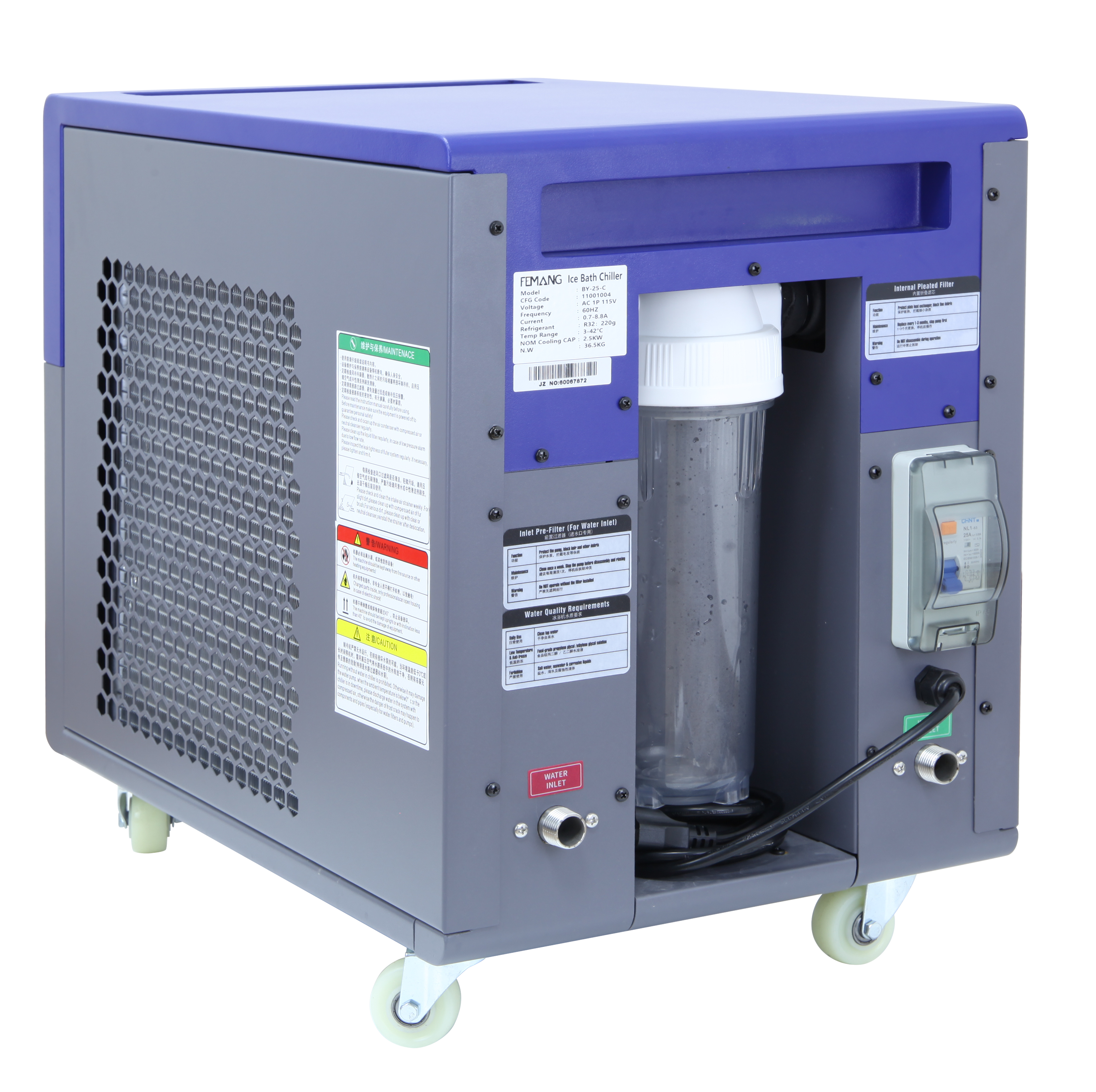
Developing a private label cold plunge product requires strategic planning across multiple dimensions, from initial concept through manufacturing partnership and market launch. Whether you're entering the recovery and wellness market or expanding an existing product line, understanding the core considerations will determine your competitive advantage and long-term profitability. A successful private label cold plunge initiative demands careful attention to design specifications, supplier relationships, regulatory compliance, and target market positioning.
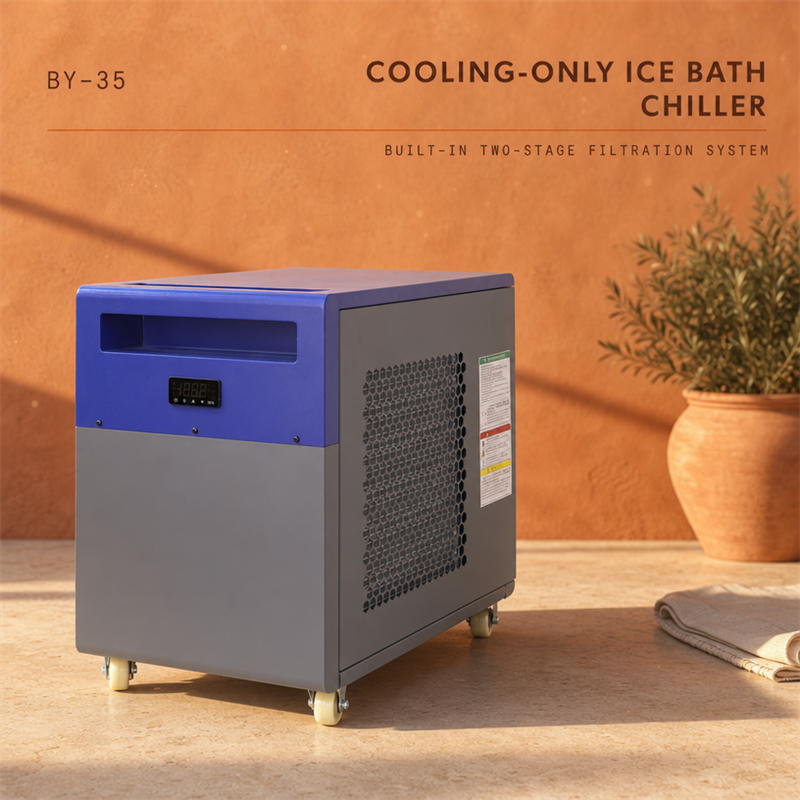
The private label approach offers significant advantages for businesses seeking to build branded solutions without bearing full manufacturing infrastructure costs. By leveraging OEM partnerships, companies can focus on market differentiation, brand development, and customer acquisition while manufacturing expertise remains with specialized producers. This model allows faster time-to-market and reduced capital investment compared to building in-house production capabilities.
Understanding Your Market Position and Customer Profile
Defining Your Target Audience
Before committing resources to private label product development, you must clearly identify who will purchase your cold plunge solution. Are you targeting fitness facilities, luxury spas, rehabilitation centers, or individual consumers? Each segment has distinct priorities regarding temperature precision, durability, noise levels, and aesthetic design. Understanding customer pain points in the current market helps you position your offering effectively and justify premium pricing if applicable. Your target audience directly influences every subsequent development decision, from capacity specifications to control interface complexity.
Competitive Landscape Analysis
Examine existing cold plunge products already available in your target market segment. Identify gaps in performance, pricing, features, or customer service that your private label offering can address. Document competitor specifications, warranty terms, installation requirements, and marketing messaging. This analysis reveals opportunities for differentiation through superior temperature stability, enhanced user interface, better warranty coverage, or competitive pricing. Your OEM partner should understand these competitive dynamics to help you develop features that genuinely resonate with your intended customers rather than copying existing solutions.
Technical Specifications and Functional Requirements
Temperature Control and Performance Metrics
The core functionality of any cold plunge centers on precise temperature management and rapid recovery capability. Determine the temperature range your product must maintain, the acceptable variance under continuous use, and the recovery time needed between sessions. These specifications directly impact component selection, cooling system capacity, and overall cost structure. Commercial applications typically require tighter temperature control and faster recovery than consumer models. Your OEM partner's engineering team should validate that proposed specifications are technically achievable and cost-effective, preventing costly design revisions after production begins. The cold plunge chiller system represents the largest cost component, so detailed performance requirements ensure optimal value engineering.
Capacity, Materials, and Durability
Decide on water volume capacity based on intended user profiles and facility constraints. Larger capacity cold plunge systems serve more users per session but demand more cooling power and floor space. Material selection between acrylic, stainless steel, or composite options affects durability, maintenance requirements, aesthetic appeal, and manufacturing cost. Consider whether your private label product requires high-frequency daily use or occasional sessions, as this influences material thickness and component quality grades. Product development should include stress testing protocols and expected lifespan assumptions. Your OEM manufacturing partner will recommend materials and construction methods based on proven durability in similar applications.
Manufacturing Partnership and Production Strategy
OEM Selection and Capability Assessment
Selecting the right OEM partner is perhaps the most critical decision in private label cold plunge development. Evaluate potential manufacturers based on their experience with similar products, production capacity, quality control processes, and responsiveness to customization requests. Request references from other private label clients and verify their ability to maintain consistent quality across production runs. Your OEM should possess expertise in refrigeration systems, electrical safety compliance, and quality testing relevant to immersion products. Clear communication of your specifications, timeline, and volume expectations prevents misalignment during production. Strong OEM partnerships enable faster product development cycles and more reliable scaling as sales volume increases.
Customization, Tooling, and Minimum Order Quantities
Product development typically involves tooling costs for molds, custom components, and assembly fixtures. Understand your OEM's minimum order quantities and how these affect unit economics at different sales volumes. Private label arrangements often include customization such as branded control panels, color options, or packaging design. Negotiate tooling ownership and rights clearly, ensuring your company retains intellectual property for proprietary design elements. Consider whether your initial private label production run matches realistic sales projections, as excess inventory ties up capital and warehouse space. Your OEM should provide transparent cost breakdowns separating component costs, labor, tooling amortization, and quality assurance expenses.
Regulatory Compliance and Risk Management
Electrical Safety and Certification Requirements
Cold plunge products involve electrical systems operating in wet environments, making safety certifications essential for liability protection and market credibility. Determine which regulatory standards apply to your target markets, such as UL, CE, or CSA certifications. Your product development process must integrate compliance testing from early stages rather than attempting certification after manufacturing begins. Work with your OEM to ensure all electrical components, wiring methods, and safety cutoffs meet applicable standards. Documentation of compliance provides confidence to customers and protects your company from liability claims. Budget sufficient time and resources for third-party testing and certification, as delays can postpone market launch and revenue generation.
Warranty, Maintenance, and After-Sales Support
Define clear warranty terms that protect customers while remaining financially sustainable for your business. Consider coverage periods, covered components, and limitations based on usage patterns in your target market. Develop maintenance protocols and spare parts availability plans before launch, as these directly affect customer satisfaction and repeat business. Your private label positioning benefits from superior after-sales support compared to generic competitors. Establish partnerships with service providers or develop internal support capabilities for larger installations. Product development should include serviceability considerations such as easy component access and modular design that simplifies repairs and reduces downtime for customers.
FAQ
What is the typical timeline for developing a private label cold plunge product from concept to market launch?
Timeline varies based on customization complexity and regulatory requirements, but typically ranges from six to twelve months. Initial concept and specification development requires four to eight weeks, followed by OEM quote and negotiation. Tooling and first production run preparation usually takes eight to twelve weeks. Quality testing and certification can require six to ten weeks depending on applicable standards. Private label product development often moves faster than fully custom designs because OEM partners leverage existing platforms and proven manufacturing processes. Working with experienced OEM manufacturers who understand cold plunge specifications significantly reduces timeline uncertainty and accelerates time-to-market.
How much capital investment is required for a private label cold plunge startup?
Initial investment depends on production volume, customization level, and market strategy but typically ranges from fifty thousand to three hundred thousand dollars for a viable launch. Tooling and mold costs represent twenty to forty percent of initial investment, while first inventory purchase accounts for another forty to sixty percent. Marketing, branding, and initial operations require the remaining investment. The private label model reduces capital requirements compared to building in-house manufacturing, though initial unit costs remain higher at lower volumes. Strategic OEM partnerships can negotiate volume-based pricing that improves unit economics as sales increase, allowing profitable scaling without massive upfront capital commitments.
What ongoing relationship should companies maintain with their OEM for product development success?
Successful private label cold plunge businesses maintain regular communication with OEM partners regarding quality metrics, market feedback, and potential improvements. Quarterly business reviews should discuss production efficiency, defect rates, and cost reduction opportunities. Strong OEM relationships enable faster response to market demands, custom orders, or urgent repairs. Transparency about sales performance, customer feedback, and competitive positioning helps your manufacturing partner understand strategic context. Many successful private label businesses treat their OEM as a strategic partner rather than a transactional vendor, investing in relationship development and long-term collaboration. This partnership approach leads to continuous product development improvements and more favorable negotiation terms as volumes scale.
 EN