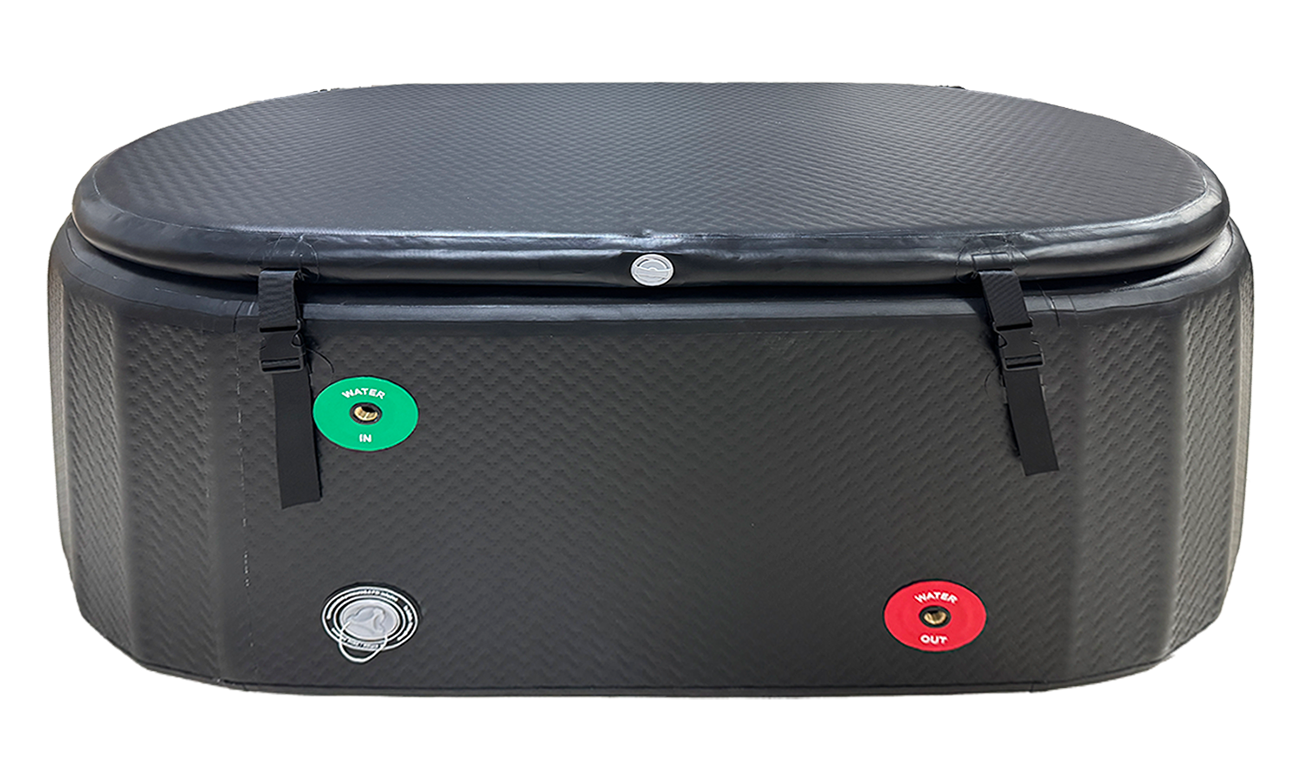
An ice bath tub designed for frequent use must balance robust construction with practical functionality. Whether deployed in a commercial facility or high-traffic wellness center, the right ice bath tub needs to withstand daily immersion cycles, temperature fluctuations, and intensive cleaning protocols without degrading. Understanding the key durability markers helps facility managers select equipment that delivers lasting performance and consistent user experience across seasons and years of operation.
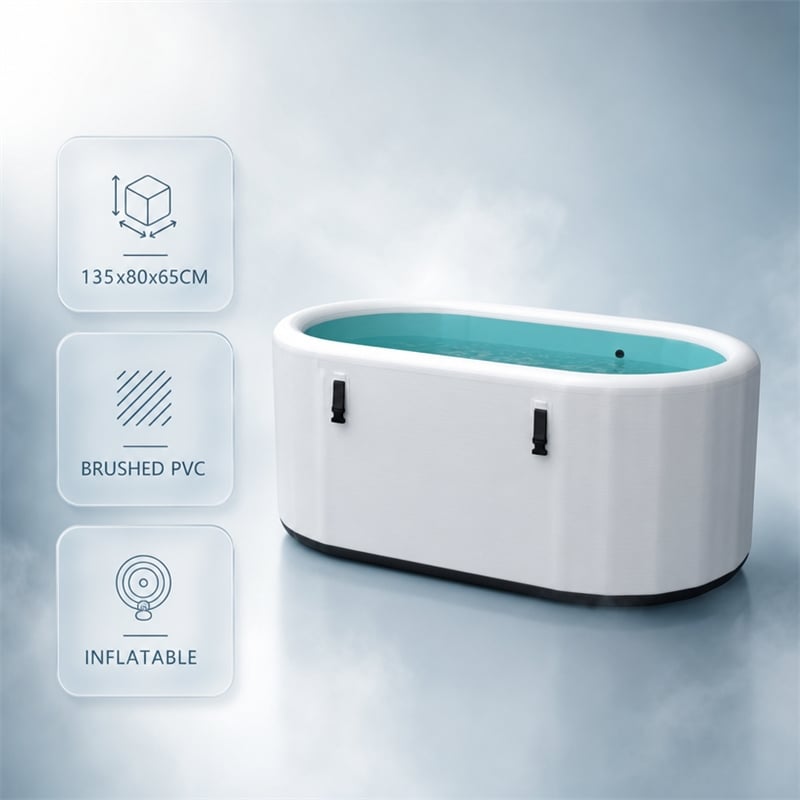
Frequent use environments demand an ice bath tub that can endure constant water circulation, chemical exposure, and thermal stress. A commercial facility housing multiple units must prioritize equipment that reduces maintenance downtime and repair frequency. The distinction between recreational and industrial-grade models lies primarily in material composition, structural reinforcement, and thermal management systems that preserve functionality over extended timelines.
Material Construction and Structural Integrity
Essential Material Qualities for Durability
The foundation of a durable ice bath tub rests on material selection and construction methods. High-grade vinyl, reinforced PVC, or marine-grade materials resist punctures, UV degradation, and temperature-induced brittleness far better than standard alternatives. For frequent use in a commercial facility, the tub walls must feature thickness that prevents gradual thinning from daily stress cycles. Seams and joints should be heat-welded or multi-layered bonded rather than glued, as adhesives weaken under constant thermal cycling and chemical exposure inherent to regular ice bath operation.
Insulation Systems and Temperature Stability
Insulation thickness directly impacts durability by reducing the thermal gradient stress on tub materials. Thicker insulation layers, typically eight centimeters or greater, minimize condensation buildup and protect the structural shell from repeated expansion and contraction cycles. A commercial facility requiring durability must invest in tubs with proper insulation, as poor thermal management accelerates material fatigue and increases refrigeration system strain. Superior insulation also stabilizes water temperature more effectively, reducing the workload on chiller units and extending equipment lifespan across both the tub and associated mechanical systems.
Design Features Supporting Frequent Use Demands
Drainage and Cleaning Access
An ice bath tub built for frequent use must incorporate rapid drainage and accessible cleaning zones to prevent microbial growth and chemical accumulation. Wide drain valves, sediment traps, and angled floor designs facilitate complete water removal and debris clearance without extended downtime. In a commercial facility managing multiple users daily, easy access to all interior surfaces prevents stubborn biofilm formation and reduces the necessity for aggressive chemical treatments that degrade tub materials over time. Tubs lacking proper drainage infrastructure suffer accelerated deterioration because stagnant water zones promote corrosion and structural weakness.
User Access and Safety Features
Durable design accounts for high-frequency user interaction through reinforced entry points, integrated handholds, and non-slip surfaces that endure thousands of immersion cycles. Steps or grip aids must be securely fastened to withstand lateral forces without loosening or creating stress concentrations in the tub shell. A commercial facility with frequent use requirements benefits from tubs featuring removable or replaceable wear components such as cushioning pads and handholds, allowing targeted maintenance rather than complete tub replacement when minor elements wear out. This modular approach extends overall durability by isolating stress-prone elements that can be serviced independently.
Performance Standards and Maintenance Protocols
Pressure Testing and Quality Certification
Manufacturers committed to durability conduct rigorous pressure testing, thermal cycling assessments, and chemical resistance validation before release. Certifications from recognized standards bodies provide verifiable assurance that an ice bath tub meets structural and performance benchmarks. Commercial facility operators should verify that equipment undergoes accelerated durability testing simulating years of frequent use within laboratory timeframes. Tubs passing such validation demonstrate measurable resistance to the exact stresses imposed by daily operation, reducing the risk of premature failure and unexpected service interruptions.
Water Quality and Chemical Compatibility
The durability of any ice bath tub depends equally on the materials' ability to resist chemicals used in water treatment and sanitization protocols. Chlorine, ozone, and enzyme-based additives vary in their corrosive potential depending on concentration and exposure duration. A commercial facility must select tubs manufactured from materials explicitly rated for the specific chemicals and pH ranges required by their water management system. Regular monitoring of water parameters prevents chemical imbalances that prematurely degrade vinyl, seams, and internal plumbing components, thereby preserving durability and maintaining manufacturer warranties that often require adherence to specified maintenance intervals.
Seasonal and Long-Term Care
Proper storage and off-season maintenance significantly extend the lifespan of an ice bath tub. Tubs designed for frequent use include features such as drain plugs, cover attachments, and UV-resistant covers that protect against environmental degradation during dormant periods. For commercial facility operators in variable climates, choosing a tub with robust freeze-protection mechanisms or the ability to be stored indoors ensures minimal material brittleness and structural compromise when seasonal demand fluctuates. Documentation of maintenance activities and adherence to manufacturer guidelines helps predict service intervals and identify wear patterns before they become critical failures.
FAQ
What material thickness indicates a durable ice bath tub for frequent use?
An ice bath tub designed for frequent use in a commercial facility should feature material walls of at least six to eight millimeters thickness, with insulation layers of eight centimeters or greater. Thicker material and superior insulation reduce thermal stress and extend durability significantly. Quality seams and multi-layered construction further strengthen the tub against the wear cycles inherent to daily immersion and temperature fluctuations typical in high-traffic environments.
How often should a commercial ice bath tub undergo maintenance?
Weekly cleaning and chemical balance checks support durability in an ice bath tub subjected to frequent use. Monthly deep cleaning of drain systems and visual inspection of seams prevent accumulated damage that compounds over time. For commercial facility operators, quarterly pressure testing and annual professional assessment ensure early detection of developing issues, enabling timely repairs that preserve the tub's remaining lifespan and maintain user safety standards.
Can an ice bath tub rated for residential use function in a commercial facility?
Residential-grade ice bath tubs lack the structural reinforcement, drainage sophistication, and material thickness necessary to withstand frequent use demands of a commercial facility. These units typically fail within one to two years under daily multi-user operation, whereas commercial-grade tubs maintain durability for five or more years. Commercial facility investments in purpose-built equipment eliminate accelerated wear patterns and reduce total cost of ownership despite higher upfront expenses.
 EN