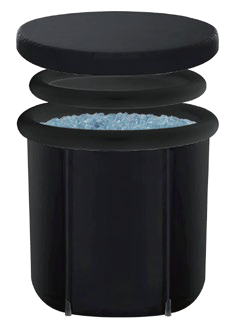
An ice bath tub serves as a cornerstone investment for any facility dedicated to contrast therapy and recovery optimization. Choosing the right unit requires understanding how temperature control, durability, and integration with complementary wellness equipment work together to create an effective recovery environment. This guide explores the critical factors that distinguish a high-performing ice bath tub from standard alternatives.
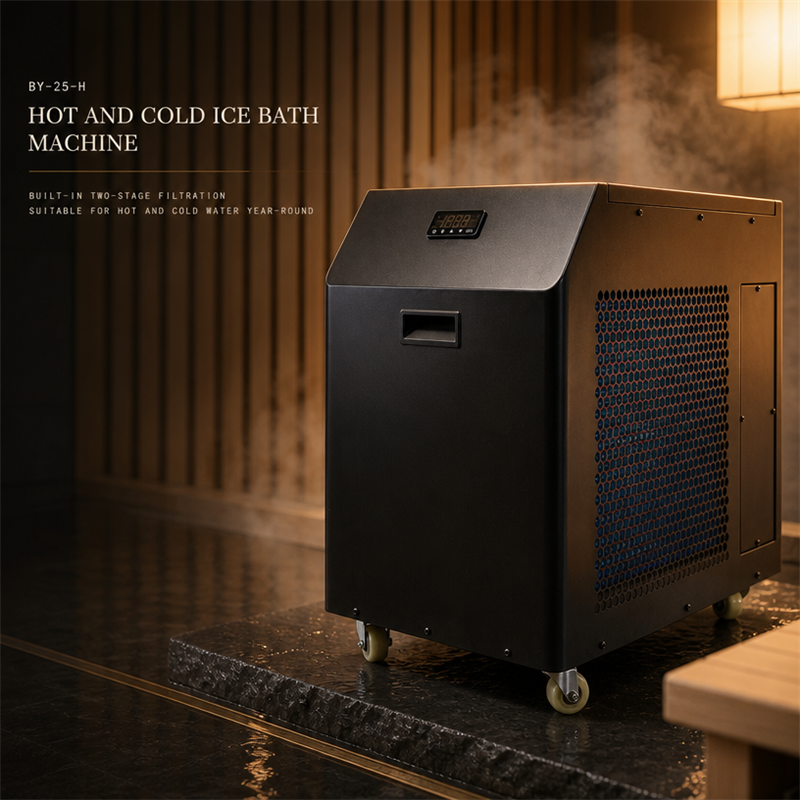
Contrast therapy has gained recognition across professional sports, fitness studios, and wellness centers as an evidence-based recovery protocol. The practice alternates between cold immersion and heat exposure, typically using an ice bath tub alongside a sauna. Understanding how specific tub features support this protocol will help facility operators make informed decisions that align with their recovery goals and operational requirements.
Temperature Control and Precision Engineering
Achieving Reliable Cold Performance
The core function of any ice bath tub depends on maintaining consistent, safe water temperatures. A quality ice bath tub incorporates advanced chilling systems that quickly lower water temperature to therapeutic ranges, typically between 45 and 60 degrees Fahrenheit. Precision control ensures that every client experiences uniform temperature exposure, which is essential for predictable recovery outcomes and client satisfaction in contrast therapy protocols.
Reliable temperature maintenance also prevents the common problem of gradual warming during multiple client sessions. When an ice bath tub lacks adequate refrigeration capacity, water temperature rises between uses, forcing staff to reset the system and delaying session schedules. Industrial-grade chillers solve this challenge by maintaining target temperatures even during continuous use, making the ice bath tub a dependable component of high-traffic wellness facilities.
Integration with Sauna and Wellness Systems
Contrast therapy achieves maximum effectiveness when an ice bath tub pairs seamlessly with a sauna environment. Facilities that combine these systems allow clients to transition quickly between extreme temperatures, amplifying physiological benefits. The ice bath tub temperature control system must be independent from sauna operations, so adjustments to one do not compromise the other. This separation ensures that contrast therapy remains effective and safe across all client sessions.
Proper integration also involves facility layout planning. An ice bath tub should be positioned to allow efficient client flow between the sauna and cold immersion zones. When contrast therapy areas are designed with this workflow in mind, staff can manage session timing more effectively, and clients experience the intended temperature contrast without unnecessary delays or temperature drift during transitions.
Durability and Material Selection
Construction Quality for High-Volume Use
A facility-grade ice bath tub must withstand daily use across multiple client sessions, chemical treatments, and thorough cleaning protocols. High-quality construction materials resist corrosion, degradation, and bacterial growth. Industrial-grade fiberglass, reinforced polymers, or marine-grade stainless steel components ensure that the ice bath tub maintains structural integrity and hygiene standards over years of operation. Material choice directly impacts the lifespan of your wellness investment and the safety profile of contrast therapy experiences.
The interior surfaces of an ice bath tub require particular attention because they contact cold water, cleaning agents, and skin oils throughout each day. Smooth, non-porous finishes prevent biofilm accumulation and make routine sanitization easier. When selecting an ice bath tub, verify that all internal components, jets, and plumbing connections use corrosion-resistant materials rated for continuous cold water exposure. This attention to material durability reduces maintenance costs and extends the operational lifespan significantly.
Seal and Insulation Standards
Superior insulation in an ice bath tub reduces energy consumption while maintaining stable temperatures. Thick foam insulation layers surrounding the tub shell minimize heat transfer to the surrounding environment. Better insulation means the chilling system works more efficiently, lowering electricity costs and reducing the operational load on cooling equipment. Over a multi-year period, this efficiency advantage translates into substantial operational savings for facilities managing contrast therapy areas regularly.
Reliable seals and gaskets prevent leaks that can damage facility flooring and compromise the ice bath tub's temperature stability. When seals deteriorate, water escapes, the chilling system must work harder to maintain temperatures, and operational disruptions increase. Selecting an ice bath tub with premium seal quality and easily replaceable gasket systems ensures consistent performance and minimizes downtime related to maintenance issues.
Wellness and Recovery Optimization
Client Safety and Comfort in Contrast Therapy
An effective ice bath tub prioritizes client safety through thoughtful design features. Non-slip surfaces, ergonomic seating, and adequate handholds reduce injury risk during entry and exit. Temperature gradients should be gentle enough to avoid thermal shock, particularly for clients new to contrast therapy. The ice bath tub should accommodate various body types comfortably, ensuring that all clients can submerge fully and benefit from therapeutic cold exposure. These design elements distinguish a facility-focused ice bath tub from consumer models designed for single-user sessions.
Effective contrast therapy depends on client compliance and positive experiences. When an ice bath tub feels uncomfortable or unsafe, clients hesitate to engage fully with recovery protocols. Facilities that invest in tubs designed for therapeutic use rather than novelty experience higher client satisfaction and better adherence to recovery routines. The combination of comfort, safety, and reliable temperature control creates the conditions where contrast therapy delivers measurable performance and wellness benefits.
Supporting Broader Wellness Strategies
An ice bath tub functions most effectively as part of an integrated wellness program that includes sauna use, stretching protocols, and nutritional support. Facilities that position contrast therapy prominently in their wellness offerings attract performance-focused clients and athletes seeking evidence-based recovery methods. The ice bath tub becomes a differentiator that justifies premium membership rates and positions the facility as serious about recovery science rather than casual fitness.
When contrast therapy protocols integrate with sauna sessions, client outcomes improve measurably. The physiological stress induced by alternating temperatures stimulates adaptations in cardiovascular function, recovery hormone production, and muscle repair efficiency. A quality ice bath tub enables this protocol by maintaining the temperature consistency that makes contrast therapy predictable and safe. Facilities committed to genuine wellness outcomes recognize that selecting the right ice bath tub directly influences member retention and satisfaction metrics.
FAQ
What water temperature should an ice bath tub maintain for contrast therapy?
Most contrast therapy protocols recommend ice bath tub temperatures between 45 and 60 degrees Fahrenheit for optimal physiological adaptation. Precise temperature control ensures client safety and consistent results across multiple sessions. Facilities should confirm that their ice bath tub includes adjustable temperature settings so protocols can be customized based on client conditioning levels and specific recovery goals.
How does an ice bath tub complement sauna use in wellness facilities?
An ice bath tub paired with a sauna creates the temperature contrast that drives the primary benefits of contrast therapy. The alternation between hot sauna exposure and cold water immersion in the ice bath tub stimulates cardiovascular adaptation and accelerates recovery. Facilities offering both systems attract clients seeking comprehensive wellness and recovery optimization. Proper facility design ensures smooth client transitions between the ice bath tub and sauna, maximizing therapeutic effectiveness.
What maintenance requirements apply to a facility-grade ice bath tub?
A quality ice bath tub requires regular water treatment, filter management, and system inspections to ensure safe, hygienic contrast therapy experiences. Daily cleaning and chemical balancing prevent bacterial growth and maintain therapeutic water quality. Periodic professional service checks keep the chilling system operating efficiently. Facilities should budget for routine maintenance costs as part of their wellness program investment, as proper upkeep directly extends the ice bath tub lifespan and client safety profile.
 EN