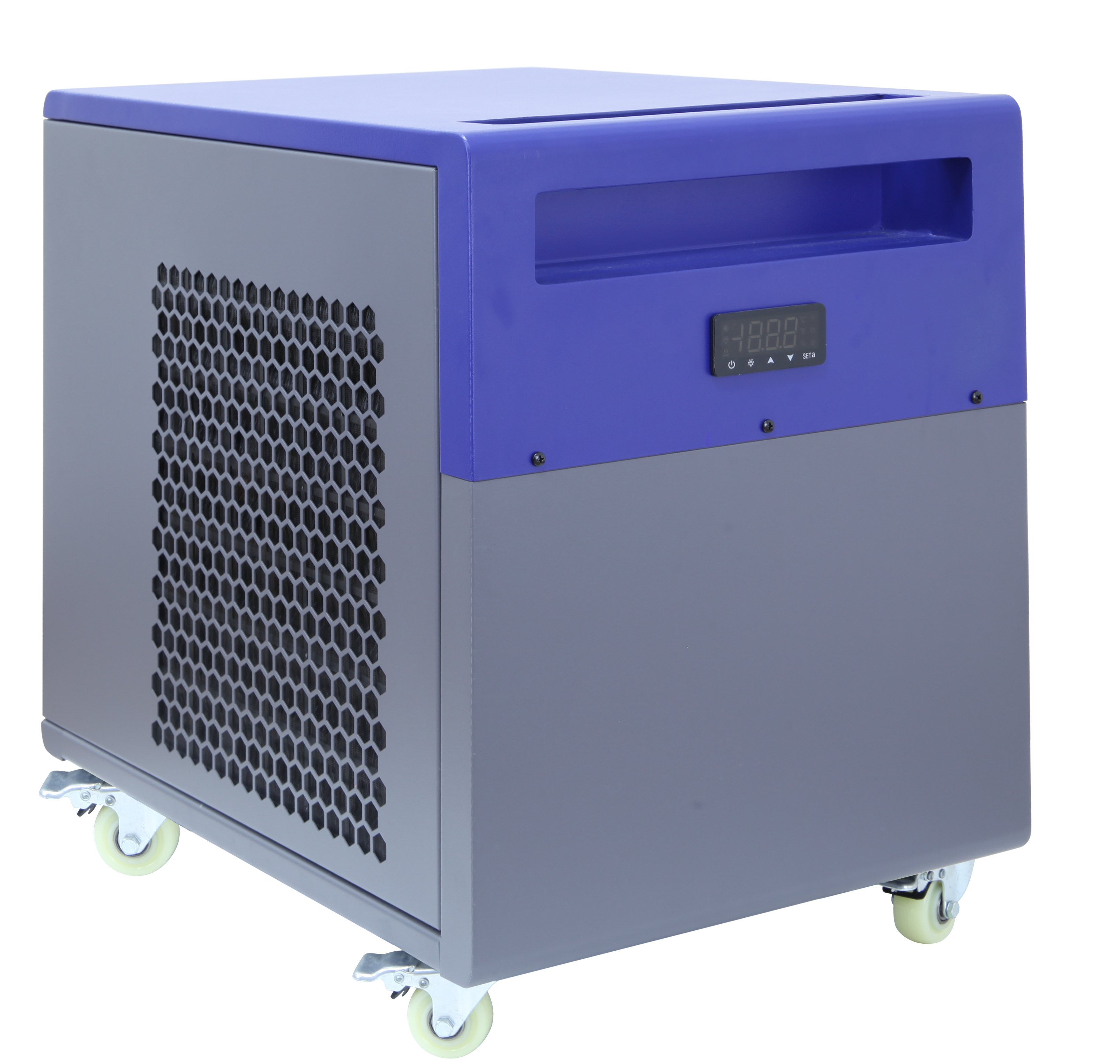
An ice bath chiller is a specialized piece of equipment designed to maintain precise water temperature control in spa and wellness environments. Selecting the right ice bath chiller for your spa requires understanding specific technical specifications, operational demands, and client experience expectations. The difference between a standard cooling system and a purpose-built spa ice bath chiller lies in its capacity to deliver consistent cold therapy while maintaining water quality and system reliability.
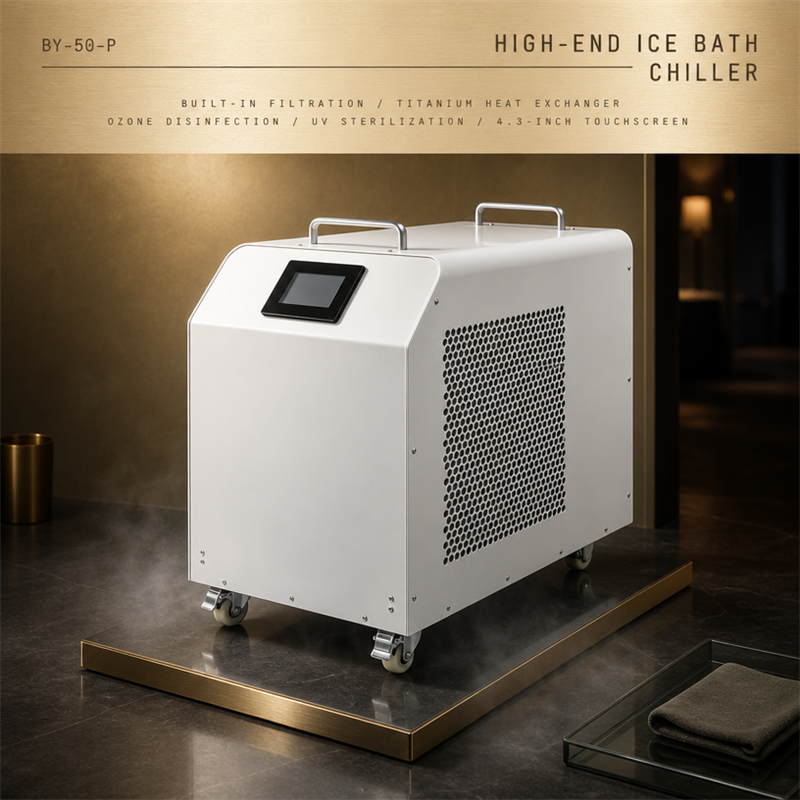
Your spa's success in offering premium cold therapy depends on choosing an ice bath chiller that balances performance, durability, and guest satisfaction. Understanding the critical factors that define suitability ensures your investment delivers long-term value and enhances your wellness service offerings.
Temperature Control Precision and Consistency
Maintaining Optimal Cold Therapy Conditions
Temperature stability is the foundation of any spa ice bath chiller system. Your guests expect consistent cold water temperatures between 50–59 degrees Fahrenheit for therapeutic cold immersion. A suitable spa chiller must achieve and hold these temperatures reliably throughout operating hours, regardless of ambient conditions or usage patterns. Precision temperature control prevents client discomfort and ensures the wellness benefits of cold therapy are fully realized.
The chiller's compressor capacity and thermostat accuracy directly influence how well it maintains target temperatures under varying loads. When multiple guests use the ice bath throughout the day, water temperature naturally rises. A high-quality spa ice bath chiller recovers to preset temperatures quickly, often within 15–30 minutes, depending on tank volume. This recovery speed is critical for maintaining operational efficiency and guest scheduling flexibility in wellness facilities.
Water Quality Integration with Temperature Management
Beyond cooling, your spa's ice bath chiller should integrate water filtration and sterilization to complement temperature control. Circulation pumps integrated into the chiller system ensure even temperature distribution while filtering particles. Advanced spa systems include UV or ozone sterilization to maintain hygiene without excessive chlorine, which can irritate skin during cold immersion therapy. This combination protects both guest wellness outcomes and the chiller's internal components from algae and bacterial buildup.
Capacity and Flow Rate Alignment with Spa Volume
Matching Chiller Power to Tank Size
Sizing an ice bath chiller correctly for your spa requires matching its cooling capacity to your immersion tank volume and usage frequency. A tank holding 100–200 gallons demands different cooling horsepower than a 300–500 gallon wellness pool. Undersized chillers struggle to maintain temperatures during peak usage, creating guest frustration and reducing perceived spa quality. Oversized chillers waste energy and cost more than necessary, reducing your operational margins.
Most commercial spa ice bath chiller systems are rated in BTU/hour cooling capacity. For spa applications, a general guideline suggests 1–1.5 horsepower per 100 gallons of tank volume, though specific requirements depend on ambient temperature, desired temperature setpoint, and daily usage intensity. Your wellness facility's climate zone and seasonal variations also influence sizing decisions. Consulting technical specifications and usage patterns ensures your spa ice bath chiller investment matches actual operational needs.
Flow Rate and Circulation Demands
Water circulation through the chiller and back to the tank must be powerful enough to prevent cold spots and dead zones. Commercial spa ice bath chiller systems typically feature circulation pumps delivering 10–30 gallons per minute, creating continuous turnover of tank water. Higher flow rates improve temperature uniformity and allow faster temperature recovery after guest use. For product selection, verify that the chiller's pump specifications match your tank dimensions and guest capacity expectations.
Durability, Maintenance, and System Reliability
Construction Materials and Long-Term Performance
A suitable ice bath chiller for spa environments must withstand continuous operation, humidity, and chemical exposure. Stainless steel components resist corrosion from water chemistry and moisture in spa air, extending equipment lifespan significantly compared to standard residential cooling systems. Titanium heat exchangers in premium spa ice bath chiller models offer superior durability in high-usage facilities. Material quality directly impacts your total cost of ownership and reduces unexpected downtime that disrupts guest experiences.
Accessibility for maintenance separates a practical spa ice bath chiller from one that creates operational headaches. Removable filter cartridges, easy thermostat adjustment, and straightforward pump servicing reduce technician visits and labor costs. When evaluating product selection options, examine maintenance requirements and parts availability in your region. Warranty coverage and manufacturer support matter significantly for commercial wellness equipment that operates daily.
Noise Level and Operating Environment Impact
Spa environments prioritize guest relaxation and comfort, making equipment noise a legitimate suitability concern. An ice bath chiller producing 70–80 decibels of operational sound may disrupt the tranquil atmosphere clients expect. Modern spa ice bath chiller designs incorporate sound dampening, vibration isolation, and efficient compressor technology to reduce noise to 55–65 decibels. For wellness facilities near treatment rooms or quiet zones, noise performance becomes a critical product selection factor that affects overall client satisfaction.
FAQ
How do I determine if an ice bath chiller is suitable for my spa size?
Assess your tank volume in gallons and daily usage frequency. Most commercial spa ice bath chiller sizing guidelines recommend 1–1.5 horsepower per 100 gallons, with adjustments based on climate and desired temperature recovery time. Consulting the chiller manufacturer's capacity charts alongside your spa's specific operational profile ensures accurate product selection without over-investment or underperformance.
What maintenance does an ice bath chiller require for optimal wellness performance?
Regular filter replacement, pump servicing, and thermostat calibration keep your spa ice bath chiller functioning reliably. Depending on water quality and usage, filter cartridges may require monthly or quarterly changes. Annual professional inspection of compressor components and refrigerant levels prevents costly failures. Proper maintenance extends equipment lifespan and ensures consistent wellness therapy benefits for your guests.
Can an ice bath chiller improve spa wellness offerings and guest retention?
Yes, a quality spa ice bath chiller enables consistent cold therapy experiences that enhance your wellness service portfolio. Guests increasingly seek evidence-based wellness modalities like controlled cold immersion, which supports recovery, circulation, and mental resilience. Offering reliable cold therapy differentiates your spa from competitors and attracts health-conscious clientele, directly contributing to revenue growth and repeat bookings.
 EN