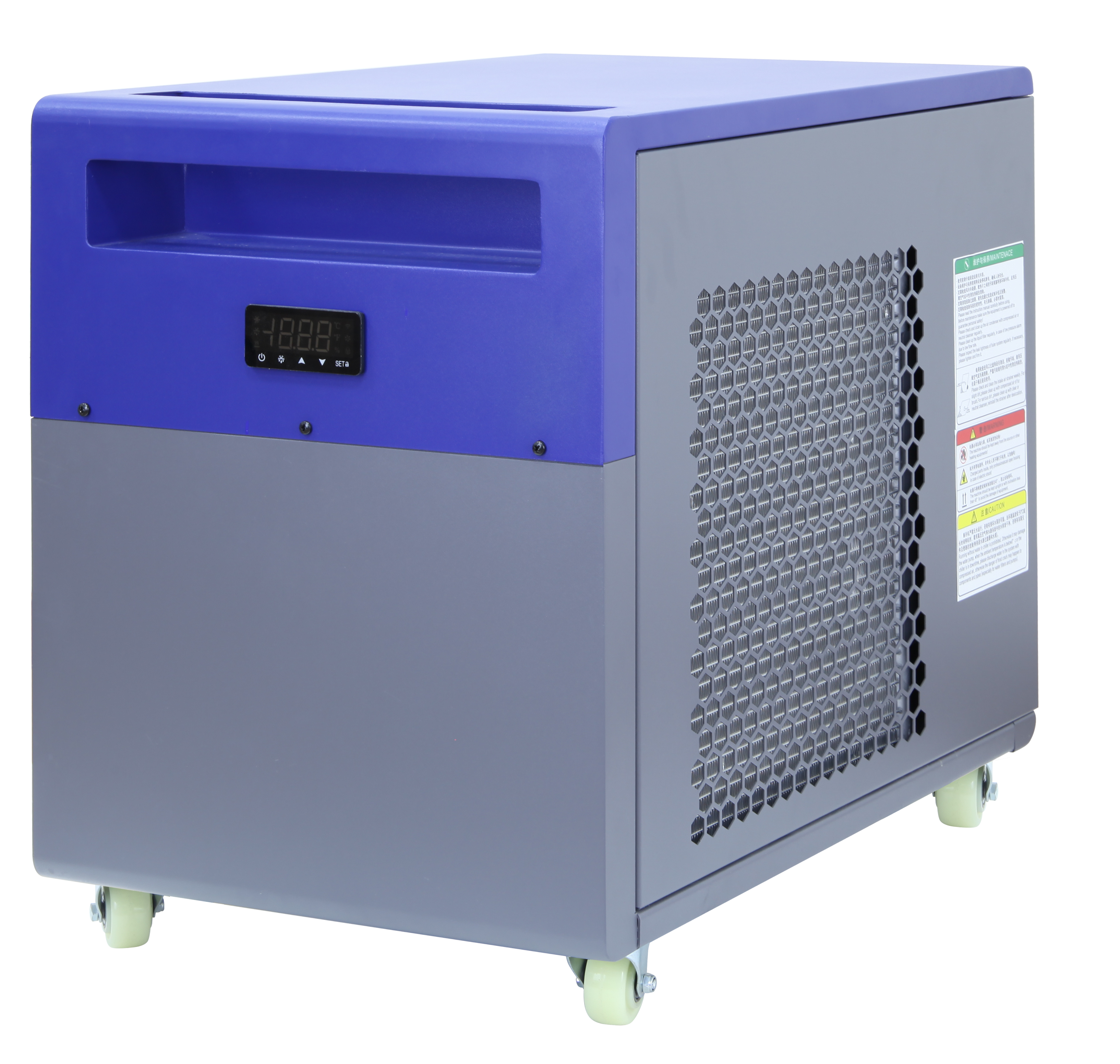
Facility operators face increasing pressure to maintain complex equipment while managing operational budgets and staff resources. An ice bath chiller represents a significant investment in recovery infrastructure, and its management burden directly impacts facility profitability and user satisfaction. Understanding what makes an ice bath chiller easier for operators to manage is essential for making informed decisions about equipment selection and long-term operational planning.
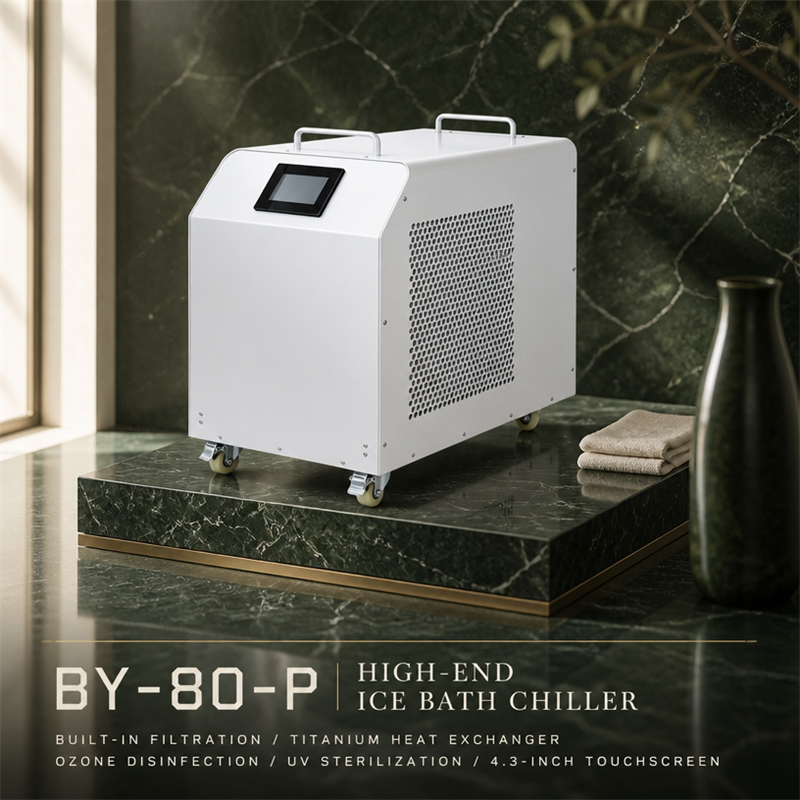
The right ice bath chiller transforms facility management from a reactive burden into a streamlined operation. Modern designs prioritize ease of use, minimal downtime, and straightforward maintenance protocols that reduce the expertise required from operators. This shift toward operator-friendly design reflects industry recognition that equipment complexity directly affects staffing costs and operational reliability.
Intuitive Control Systems and Operation
User-Friendly Interface Design
Modern equipment emphasizes operation simplicity through digital interfaces that guide facility staff through routine tasks. An effective interface displays real-time temperature readings, cycle status, and alert notifications in a format that requires minimal training to understand. Operators can adjust settings, monitor performance, and troubleshoot common issues without consulting technical manuals or calling external support. This design philosophy reduces operational errors and accelerates staff onboarding.
The operation of contemporary systems includes automated scheduling features that allow facility managers to program cooling cycles during off-peak hours or specific facility windows. Programmable timers and preset modes eliminate the need for constant manual adjustments, freeing operators to focus on other facility management responsibilities. Touch-screen controls with logical menu navigation make operation accessible to staff members without technical backgrounds.
Remote Monitoring Capabilities
Facility management becomes significantly easier when operators can monitor equipment status remotely through mobile or web-based platforms. Real-time alerts notify staff of temperature fluctuations, maintenance needs, or operational anomalies before they escalate into failures. Remote operation features allow authorized personnel to adjust settings or restart cycles without physically accessing the equipment location. This capability is particularly valuable for facilities with multiple ice bath chillers or distributed recovery zones across large campuses.
Simplified Maintenance and Support
Preventive Maintenance Protocols
Facility management efficiency depends on clear, documented maintenance schedules that prevent unexpected breakdowns. Well-designed ice bath chillers feature accessible components for routine cleaning and inspection, reducing the time staff must spend on preventive maintenance. Manufacturer guidelines should specify maintenance intervals, required tasks, and expected labor requirements so facility managers can plan staffing accordingly. Modular component design allows operators to replace filters, seals, or other wear items without disassembling the entire system.
Maintenance documentation should include troubleshooting flowcharts that help facility operators diagnose simple issues independently rather than immediately escalating to service providers. Many modern systems include self-diagnostic features that identify component failures automatically and suggest corrective actions. This combination of clear documentation and intelligent diagnostics reduces operational downtime and minimizes emergency service calls.
Technical Support Access
Facility operators value manufacturers that provide responsive technical support channels and readily available spare parts. Warranty terms and support response times directly influence the total cost of ownership and facility reliability. Operators should confirm that replacement components are readily available in the local market rather than requiring international shipping delays. Comprehensive training programs for facility staff ensure operators understand system capabilities and can handle routine maintenance independently.
Operational Efficiency and Cost Control
Energy Efficiency Features
An ice bath chiller that operates with minimal energy consumption directly reduces facility operating costs and aligns with sustainability objectives. Modern systems incorporate energy-efficient compressors, optimized refrigerant cycles, and smart scheduling features that minimize runtime during low-demand periods. Facility management benefits when operators understand how to program usage patterns that match peak recovery hours while avoiding unnecessary operation during closed facility times.
Smart operation features automatically adjust cooling intensity based on actual temperature requirements rather than running continuously at maximum capacity. This adaptive approach reduces wear on components, extends equipment lifespan, and lowers electricity expenses. Facility operators can track energy consumption through built-in monitoring features and identify opportunities for further optimization.
Water Quality Management
Facility management simplicity increases when ice bath chiller systems include integrated water treatment and circulation features that reduce manual intervention. Advanced filtration systems maintain water clarity and hygiene without requiring frequent manual cleaning sessions. UV or ozone sterilization systems eliminate pathogens automatically, reducing maintenance burden on facility staff. Maintenance becomes predictable when operators understand the lifecycle of filtration elements and water treatment components.
Automated water level monitoring prevents operational errors that could damage the compressor or reduce cooling performance. Alerts notify operators when water treatment chemicals need replenishment or when filter replacements are due. This systematic approach transforms water quality management from an unpredictable maintenance crisis into a managed operational task.
FAQ
What specific operation features reduce facility management workload?
Automated scheduling, remote monitoring, self-diagnostic alerts, and programmable temperature settings significantly reduce daily operational demands. These features allow facility staff to manage multiple functions simultaneously and respond to equipment needs proactively rather than reactively. Digital interfaces eliminate manual record-keeping and complex calculations that previously consumed operator time.
How does ice bath chiller maintenance complexity affect facility staffing requirements?
Simple maintenance protocols and accessible components allow trained facility operators to handle routine tasks without specialized technician expertise. When preventive maintenance is straightforward and predictable, facilities can schedule it during planned downtime rather than managing emergency repairs. Clear documentation and diagnostic tools empower staff to troubleshoot independently, reducing dependence on expensive external support services.
Which operational features should facility managers prioritize when evaluating ice bath chiller systems?
Prioritize intuitive operation interfaces, remote monitoring capabilities, predictable maintenance schedules, and responsive manufacturer support. Energy efficiency features directly impact operating costs, while automated water quality management reduces staff workload. Evaluate warranty terms, spare parts availability, and training programs to ensure long-term facility management success and operational continuity.
 EN