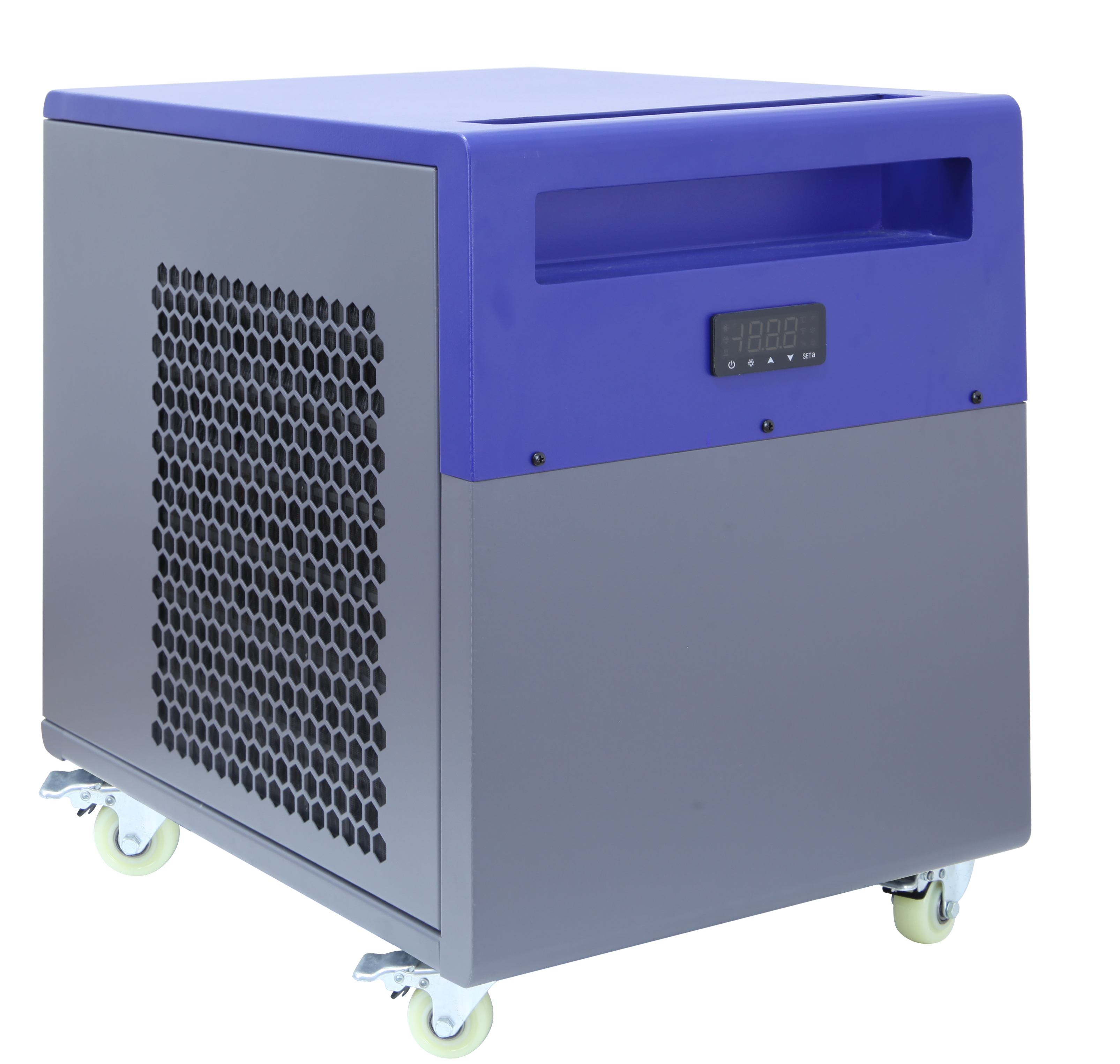
A cold plunge chiller represents a significant investment in personal wellness infrastructure, and like any high-performance system, its longevity depends directly on proper maintenance practices. The distinction between a system that remains reliable for years and one that deteriorates quickly often comes down to how thoughtfully the equipment was engineered for easy maintenance. Modern cold plunge chillers designed with owner convenience in mind incorporate features that reduce complexity, lower service frequency, and minimize downtime during routine care cycles.

Understanding what makes a cold plunge chiller easy to maintain requires examining both the mechanical design and the practical operation workflow. Systems engineered for accessibility typically feature modular components that can be inspected or replaced without specialized tools, clear filtration systems that signal when cleaning is needed, and intuitive control interfaces that guide users through necessary maintenance tasks. The difference between fighting with your wellness equipment and effortlessly maintaining it shapes the entire ownership experience.
Core Design Features That Enable Easy Operation
Accessible Component Layout and Modular Design
A well-designed cold plunge chiller positions all major components—compressor, condenser coils, pump, and filter housing—in locations accessible without disassembling protective panels or draining the system prematurely. Easy maintenance starts with physical accessibility. When filter cartridges sit in easy-to-reach locations, replacement becomes a five-minute task rather than a frustrating ordeal requiring special positioning or partial system shutdown. Quality systems integrate quick-disconnect fittings that allow technicians or owners to service individual components while maintaining system integrity in other areas.
Modular architecture also means that if one component requires service, the entire system does not need to shut down for extended periods. This operational efficiency directly impacts the cold plunge chiller's usability throughout its service life. Manufacturers who prioritize easy maintenance design their systems so that pump servicing, coil cleaning, and refrigerant checks can be performed on a schedule that fits your wellness routine rather than forcing lengthy interruptions.
Clear Filtration and Indicator Systems
The filtration system represents one of the most frequently serviced elements in any cold plunge chiller, which is why straightforward filter management defines the entire easy maintenance experience. Advanced systems incorporate visual or digital indicators that signal precisely when a filter cartridge requires replacement, eliminating guesswork and preventing degradation in water quality or system performance. These indicators might be pressure gauges, light indicators, or app-based notifications that alert you before filter saturation compromises operation.
Easy maintenance requires that filter replacement itself be simple—cartridges should slide in and out without specialized equipment, and housing designs should minimize water spillage during changes. Some premium cold plunge chiller models feature top-loading filter access that allows replacement while you remain standing comfortably, rather than crawling underneath or into confined spaces. This attention to practical service ergonomics significantly impacts how consistently owners maintain their systems and how seriously they approach preventive service schedules.
Operational Intelligence and Control Simplification
Intuitive User Interfaces and Status Monitoring
Modern cold plunge chiller operation depends increasingly on digital control systems that either simplify maintenance tracking or create confusion through overly complex interfaces. Systems designed for easy operation feature straightforward temperature displays, clear cycle status indicators, and logical menu structures that guide users through necessary maintenance tasks. When the system can tell you what needs attention and when, rather than requiring you to consult a manual repeatedly, the ownership experience transforms dramatically.
Quality service features include automated shutdown sequences that protect the chiller during maintenance windows, self-diagnostic capabilities that identify issues before they cause system failures, and data logging that tracks when filters were changed or servicing was completed. This transparency in operation helps owners understand their cold plunge chiller's actual condition and maintain it proactively rather than reactively. Digital interfaces that display error codes with plain-language explanations rather than cryptic numbers accelerate troubleshooting and reduce unnecessary service calls.
Automated Maintenance Scheduling and Alerts
The simplest maintenance requirements are often those that never require your conscious attention because the system reminds you automatically. Advanced cold plunge chiller models incorporate scheduling systems that track running hours, water cycle counts, and service intervals, then alert you when standard maintenance becomes due. These reminders appear through the control panel, smartphone applications, or both, ensuring that preventive service actually happens on schedule rather than being postponed until a problem develops.
Automated alerts create accountability without burdening owners with manual record-keeping. When a cold plunge chiller tells you that a specific service task is due and why it matters, owners demonstrate higher compliance with maintenance protocols and experience fewer unexpected failures. This operational intelligence represents a practical division between systems that are merely functional and systems that are genuinely easy to maintain throughout their service life.
Service Accessibility and Spare Parts Availability
Industry-Standard Components and Streamlined Replacement
A critical factor determining easy maintenance involves the availability of replacement parts and the simplicity of service procedures. Cold plunge chiller manufacturers who design for accessibility typically use industry-standard components—pumps, compressors, and valves that follow established specifications—rather than proprietary parts that only they can supply. This approach means that when a component requires replacement, you have multiple sourcing options, competitive pricing, and potentially faster delivery than waiting for a manufacturer to ship proprietary components.
Easy maintenance also requires that replacement procedures are documented clearly with step-by-step instructions, required tools, and estimated completion times. Some premium cold plunge chiller manufacturers provide video tutorials, live support chat for guidance during service, or even mobile technician networks that can perform standard service tasks. When replacing a pump or filter cartridge does not require specialized training or expensive service calls, the total cost of ownership decreases while the system's uptime increases substantially.
Preventive Service Documentation and Support Resources
Comprehensive documentation transforms a complex cold plunge chiller into a system that owners can maintain with confidence. Quality service resources include detailed maintenance schedules that specify exactly what should be checked monthly, quarterly, and annually, along with clear procedures for each task. Documentation that distinguishes between routine owner maintenance and specialized technician work helps set realistic expectations about what you can handle independently versus when professional service becomes necessary.
Responsive manufacturer support fundamentally changes the easy maintenance experience because questions get answered promptly rather than forcing owners to troubleshoot through trial and error. Whether through technical support lines, email support, or online knowledge bases, accessible help resources reduce frustration when unexpected questions arise during service. A cold plunge chiller backed by reliable service documentation and responsive support becomes genuinely easy to maintain because obstacles get cleared quickly rather than accumulating into system neglect.
FAQ
How often should I perform maintenance on my cold plunge chiller?
Routine maintenance frequency depends on system design and usage patterns, but most quality cold plunge chiller models require weekly water testing, filter checks every two weeks, and comprehensive inspections monthly. Many systems feature automated alerts that notify you of specific service needs based on actual operation rather than guessing schedules. Consult your manufacturer's maintenance guide for your specific model, as easy maintenance depends partly on following recommended intervals consistently to prevent degradation and system failures.
What makes one cold plunge chiller easier to maintain than another?
Easy maintenance differences stem from several design choices: accessible component locations that minimize disassembly, clear indicator systems that signal service needs, modular architecture allowing partial system servicing, and intelligent operation interfaces that guide maintenance tasks. A cold plunge chiller with industry-standard replacement parts, comprehensive documentation, and responsive manufacturer support also delivers significantly easier ownership experience than models requiring specialized knowledge or proprietary components for every service task.
Can I perform maintenance on my cold plunge chiller without professional help?
Many routine maintenance tasks—filter replacement, water testing, system inspection—can be performed by owners using standard tools and straightforward procedures on properly designed systems. However, refrigeration-related service typically requires licensed technician expertise. Your cold plunge chiller documentation should clearly distinguish which service tasks owners can safely perform independently versus which require professional service, allowing you to plan maintenance budgets and timelines realistically.
 EN