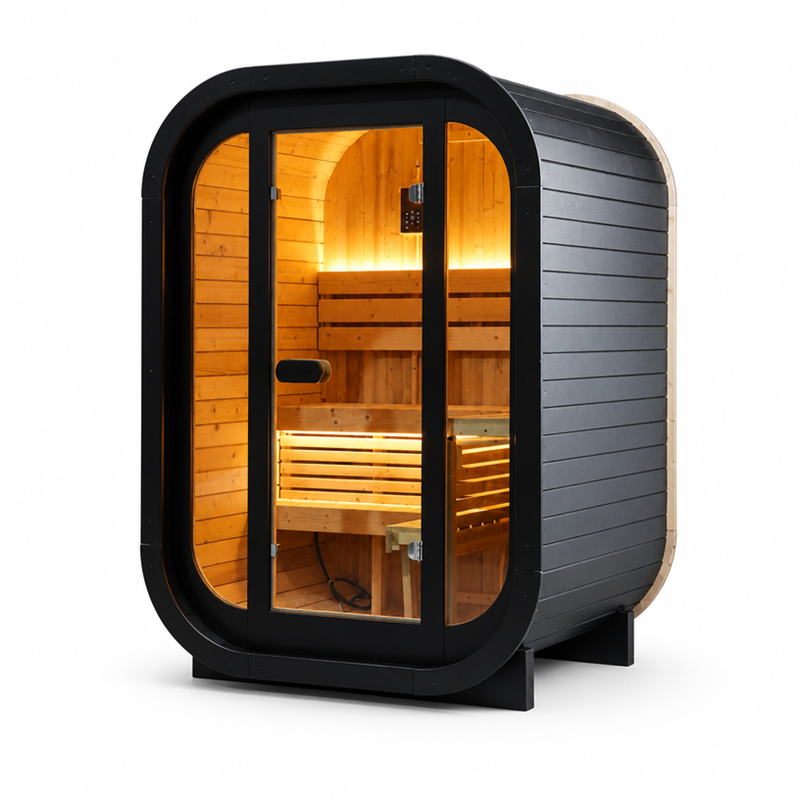
A sauna is a heated room or chamber designed to produce dry or steam heat, typically maintained between 150 and 195 degrees Fahrenheit. This ancient wellness practice, originating in Finland, has evolved into a cornerstone of modern commercial wellness programs. Understanding what a sauna is and how it integrates into commercial wellness environments is essential for facility managers, business owners, and anyone involved in corporate health initiatives. The sauna experience involves controlled exposure to elevated temperatures that promote relaxation, physiological adaptation, and health benefits.
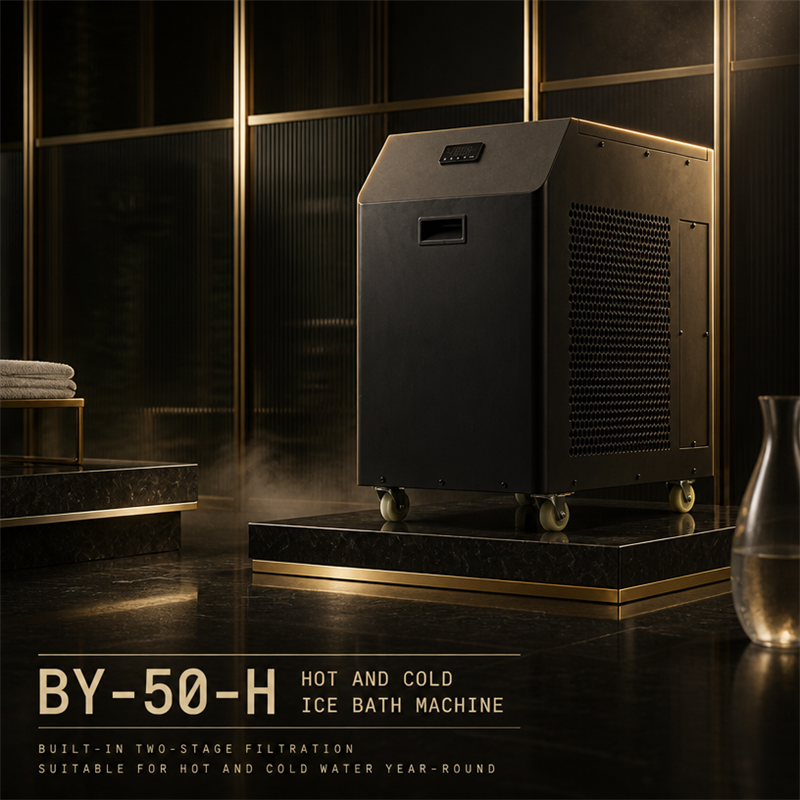
Commercial wellness environments increasingly recognize the sauna as a valuable tool for employee engagement and health outcomes. Businesses integrating sauna facilities into their spa and wellness centers report improved employee retention, reduced stress-related absenteeism, and enhanced workplace culture. The product knowledge required to maintain sauna facilities involves understanding temperature regulation, humidity control, materials, and user safety protocols. For commercial settings, sauna installation represents an investment in employee wellbeing that directly correlates with productivity and satisfaction metrics.
How a Sauna Functions in Wellness Settings
Core Heating and Temperature Regulation
A sauna operates by generating intense dry heat through electric stoves, wood-burning heaters, or infrared panels. Commercial sauna systems maintain consistent temperatures through thermostat controls and insulation that prevents heat loss. The heating mechanism in a sauna creates an environment where users experience perspiration, which facilitates toxin release and skin cleansing. Proper sauna temperature management ensures user safety while maximizing the physiological benefits associated with heat exposure therapy.
Integration Into Corporate Wellness Programs
Commercial wellness programs leverage sauna facilities as lifestyle interventions that address employee stress, muscle tension, and recovery needs. Spa facilities equipped with sauna amenities attract talent, improve employee satisfaction scores, and demonstrate organizational commitment to holistic health. The sauna becomes part of a comprehensive commercial wellness ecosystem that may include fitness centers, meditation spaces, and recovery areas. Organizations using product knowledge about sauna maintenance and operation ensure consistent facility quality that supports their wellness objectives.
Health and Business Benefits of Sauna Facilities
Physiological and Mental Health Outcomes
Regular sauna use promotes cardiovascular health, improved circulation, and enhanced immune function through controlled heat stress. Users experience muscle relaxation, reduced inflammation, and improved recovery from physical activity, which directly supports workplace productivity. Mental health benefits include stress reduction, improved sleep quality, and enhanced mood through the release of endorphins during heat exposure. A sauna facility in commercial wellness settings addresses multiple health dimensions that contribute to employee wellbeing and engagement.
Competitive Advantage in Employee Retention
Organizations offering sauna access through their commercial wellness programs differentiate themselves in competitive talent markets. Employees value spa amenities and recovery facilities as non-monetary compensation that enhances work-life balance. The sauna represents a tangible commitment to preventive health that reduces healthcare costs and improves employee morale. Businesses with comprehensive sauna facilities and product knowledge about proper maintenance demonstrate industry leadership in corporate wellness innovation.
Implementing Sauna Solutions in Business Environments
Facility Design and User Experience Considerations
Designing a commercial sauna requires understanding space requirements, ventilation systems, and material specifications that ensure durability and safety. Facility managers need product knowledge regarding sauna construction materials, heating systems, and compliance with health and safety regulations. The sauna environment benefits from thoughtful design elements like changing areas, relaxation zones, and cooling stations that enhance the overall commercial wellness experience. Proper layout ensures consistent user experience while maximizing operational efficiency and maintenance accessibility.
Operational Management and Equipment Solutions
Managing a sauna facility involves regular maintenance, temperature monitoring, and user safety protocols that ensure consistent performance. Commercial wellness facilities require reliable heating equipment and temperature control systems that operate continuously and efficiently. Proper product knowledge about sauna equipment, cooling systems for post-use recovery, and facility management software supports sustainable operations. Facility operators benefit from understanding maintenance schedules, cleaning protocols, and equipment upgrades that extend sauna lifespan and user satisfaction.
FAQ
What is a sauna and what temperature should it maintain?
A sauna is a heated enclosure that typically maintains temperatures between 150 and 195 degrees Fahrenheit, creating an environment that induces controlled perspiration and promotes relaxation. Temperature consistency is critical for safety and effectiveness, requiring proper insulation and thermostat control systems. Commercial sauna facilities use either dry heat or steam heat methods depending on facility design and user preferences. Maintaining proper sauna temperature ensures optimal health benefits while preventing equipment strain and user discomfort.
How does a sauna contribute to commercial wellness programs?
A sauna serves as a cornerstone amenity in commercial wellness strategies by providing employees with stress reduction, recovery, and relaxation benefits. Organizations integrate sauna facilities into spa and wellness centers to improve employee satisfaction, reduce healthcare costs, and support preventive health initiatives. The sauna supports physical recovery after workouts, mental stress relief, and overall wellness culture that improves employee retention and productivity. Commercial wellness programs leveraging sauna access report measurable improvements in employee engagement and health outcomes.
What product knowledge is essential for sauna facility management?
Facility managers require comprehensive product knowledge regarding sauna heating systems, temperature controls, ventilation requirements, and maintenance protocols to ensure reliable operations. Understanding material specifications, durability standards, and equipment longevity helps managers select appropriate sauna systems for their commercial wellness facilities. Product knowledge also encompasses user safety procedures, cleaning standards, and equipment troubleshooting that maintain facility quality and user confidence. Proper management using this knowledge ensures that sauna investments deliver consistent returns through employee satisfaction and health outcomes.
 EN