The cost of a Cold Therapy Machine varies significantly based on multiple interconnected factors that directly impact your investment decision. Understanding what drives pricing helps facilities, clinics, and wellness centers make informed purchasing choices aligned with their operational needs and financial capacity. Price factors affecting cold therapy machines range from technical specifications and cooling capacity to brand reputation, warranty coverage, and installation requirements. The relationship between budget allocation and equipment quality requires careful analysis to ensure long-term value and performance reliability.
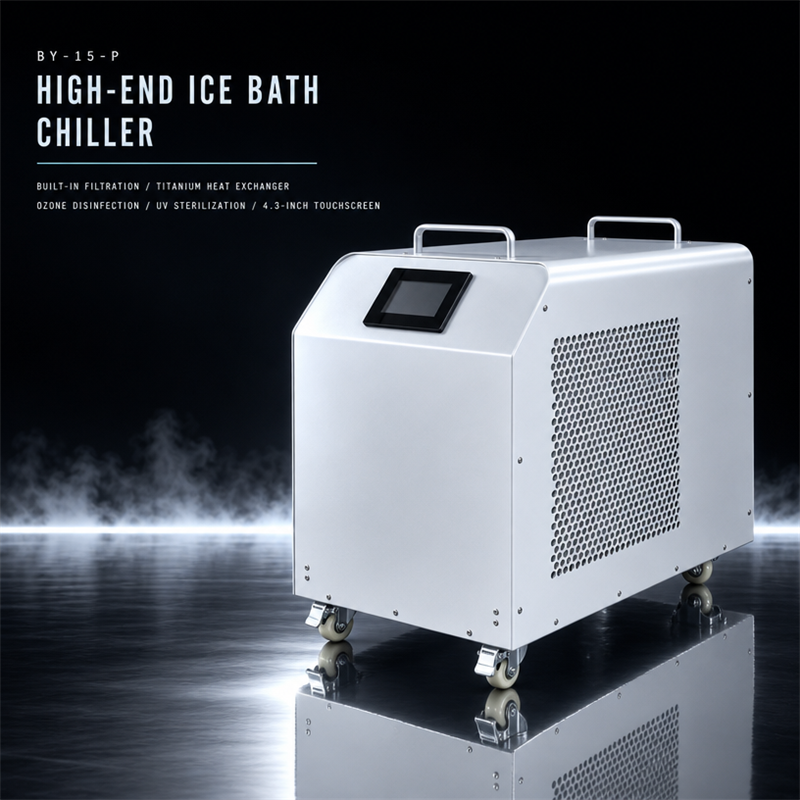
When evaluating budget options for cold therapy equipment, organizations must weigh initial capital expenditure against operational efficiency, maintenance costs, and therapeutic outcomes. Sourcing strategies significantly influence the final price you pay, whether purchasing from direct manufacturers, authorized distributors, or integrated wellness equipment providers. Each sourcing channel presents distinct advantages in pricing transparency, support services, and equipment customization capabilities that merit thorough investigation before committing resources.
Core Technical Specifications Driving Price
Cooling Capacity and Temperature Control
The cooling capacity of a cold therapy machine fundamentally determines its price tier and operational capability. Machines designed for high-volume clinical settings require more powerful compressors and advanced refrigeration systems, which substantially increase manufacturing costs. Temperature precision and the ability to maintain stable conditions across extended treatment sessions directly correlate with equipment pricing. Premium models offering rapid cooling cycles and digital temperature regulation command higher price points due to sophisticated engineering and component quality.
System Size and Treatment Volume
Equipment dimensions and treatment capacity significantly influence cold therapy machine pricing structures. Compact portable units designed for single-patient use typically cost less than commercial immersion tanks capable of accommodating multiple users simultaneously. Facilities planning high-volume cryotherapy protocols require larger, more robust systems that justify premium pricing through increased throughput and reliability. The engineering complexity required for scaling systems upward directly translates to elevated material costs and manufacturing precision requirements.
Material Quality and Advanced Features
Construction Materials and Durability
Premium construction materials substantially impact cold therapy machine pricing and long-term ownership costs. Stainless steel components, medical-grade insulation, and corrosion-resistant finishes provide superior durability but increase initial purchase expenses. Budget-conscious facilities may select equipment with standard materials, accepting potentially higher maintenance frequencies and shorter operational lifespans. The durability profile you select directly influences total cost of ownership when calculating maintenance, replacement parts, and downtime expenses across five to ten-year equipment lifecycles.
Smart Technology and Automation
Advanced features including automated dosing systems, real-time monitoring capabilities, and integrated data logging significantly elevate cold therapy machine pricing. Machines equipped with ozone sterilization, UV disinfection, and automated cleaning cycles provide convenience and infection control but command substantial price premiums. Facilities prioritizing operational efficiency and reduced staff intervention justify higher budget allocations for technology-enhanced models. Conversely, manual-operation equipment offers cost savings for facilities with dedicated staff and less stringent automation requirements.
Sourcing Strategies and Market Positioning
Direct Manufacturer vs. Distribution Channels
Sourcing directly from manufacturers typically offers the most competitive pricing for cold therapy machine purchases, eliminating intermediary markups and distribution costs. Authorized distributors provide localized support, warranty services, and equipment customization but generally incorporate higher retail margins into final pricing. Regional sourcing strategies may reveal significant cost variations based on import duties, logistics expenses, and local market competition dynamics. Evaluating multiple sourcing channels requires thorough price comparison combined with assessment of post-sale support quality and warranty authenticity.
Volume Purchasing and Budget Negotiation
Large-scale facility installations qualify for volume discounts that substantially reduce per-unit cold therapy machine costs compared to single-equipment purchases. Budget negotiations with suppliers often yield favorable terms when demonstrating commitment to multi-year equipment relationships or facility expansion plans. Seasonal purchasing timing occasionally presents opportunities for improved pricing when suppliers manage inventory levels or clear previous model years. Understanding supplier incentive structures enables strategic budget timing that maximizes cost efficiency without compromising equipment selection criteria.
FAQ
What price factors most significantly impact cold therapy machine costs?
Cooling capacity, system size, construction materials, and smart technology features represent the most substantial price factors influencing cold therapy machine pricing. Professional-grade equipment designed for clinical volume typically costs 40-60% more than consumer-oriented models due to engineering specifications and performance reliability requirements. Advanced features including automated sterilization, temperature precision control, and integrated monitoring systems add 15-25% to base equipment pricing.
How should budget allocation guide cold therapy machine selection?
Budget considerations must balance initial capital investment against long-term operational costs including maintenance, energy consumption, and replacement components. Facilities with limited budgets benefit from starting with reliable mid-range equipment offering solid performance without premium technology features. Higher-budget allocations enable investment in advanced systems that reduce operational labor, improve treatment consistency, and provide superior reliability across high-volume clinical environments.
Which sourcing strategies deliver the best cold therapy machine value?
Direct manufacturer sourcing combined with volume purchasing typically delivers optimal pricing while maintaining equipment quality and warranty coverage. Evaluating multiple sourcing channels through detailed price comparison ensures you identify legitimate cost savings rather than accepting inflated distributor margins. Negotiating service agreements and extended warranty terms alongside equipment pricing creates additional value beyond base purchase costs.
 EN









