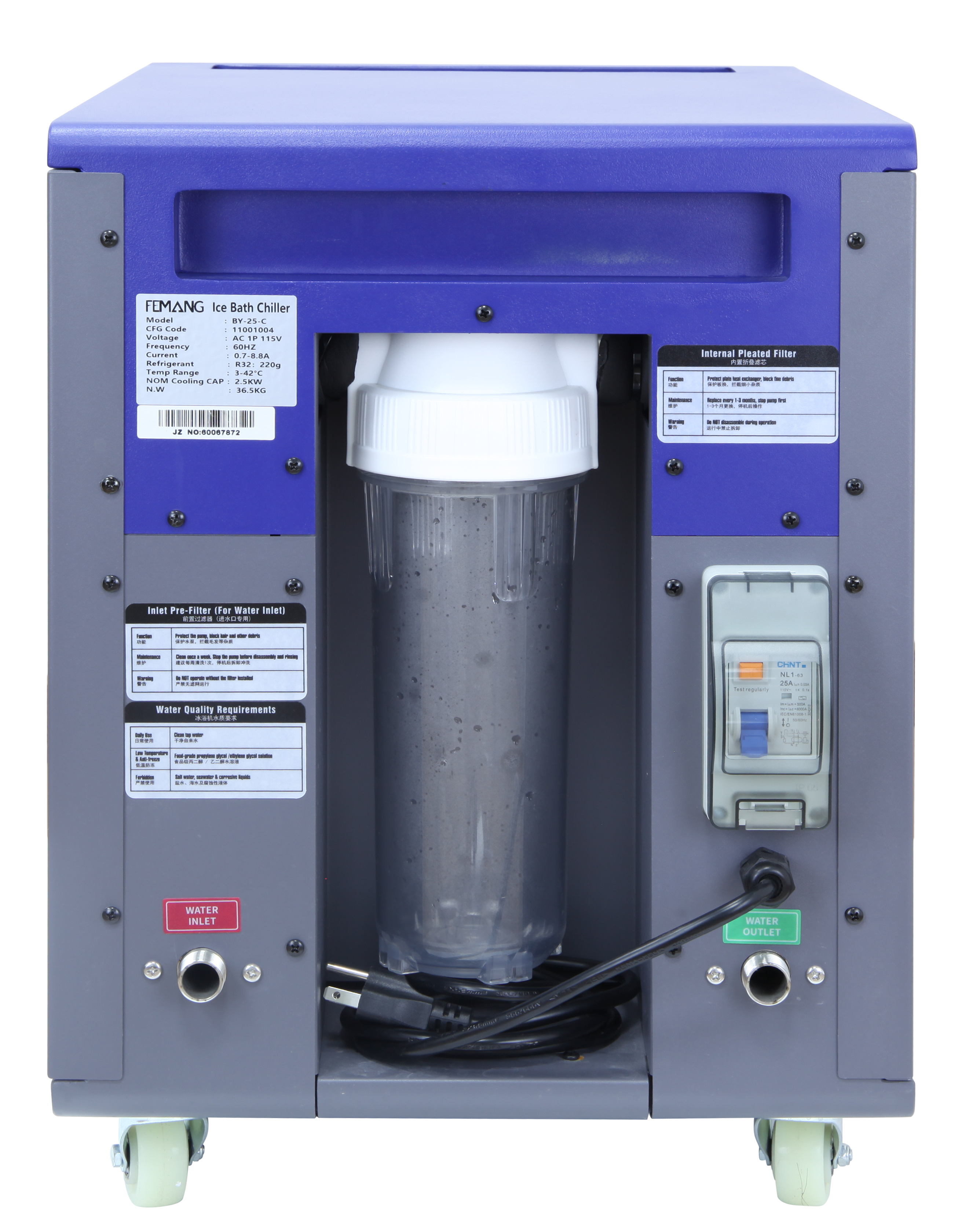
Understanding the factors that influence your cold plunge chiller cooling efficiency is essential for maximizing the performance and longevity of your ice bath system. Whether you operate a wellness facility, recovery center, or home spa, optimizing how your cold plunge chiller performs directly impacts user satisfaction and operational costs. The efficiency of any cold plunge chiller depends on multiple interconnected variables that work together to maintain precise water temperatures and deliver consistent cooling performance.

Multiple environmental, technical, and operational elements work together to determine how well your cold plunge chiller maintains cooling efficiency. The relationship between these factors is complex, but understanding each one empowers facility managers and users to make informed decisions about equipment setup, maintenance schedules, and operational protocols that directly support consistent performance and energy management.
Environmental and Ambient Conditions Impact on Cooling Performance
The surrounding environment plays a critical role in how effectively your cold plunge chiller operates. Ambient temperature, humidity levels, and the location where you place your system significantly influence cooling efficiency. When a cold plunge chiller operates in warm environments, the compressor and condenser must work harder to reject heat and maintain the target water temperature, consuming more energy and reducing overall operational efficiency.
Temperature and Heat Load Considerations
Air temperature around your cold plunge chiller directly affects the refrigeration cycle's ability to dissipate heat. In warmer climates or during summer months, your system encounters higher external temperatures that increase the thermal load. This means the cooling efficiency suffers because the chiller must overcome greater temperature differentials. Proper ventilation around the condenser coils and placement in climate-controlled spaces dramatically improves performance. The water volume and user frequency also generate internal heat loads that demand consistent cooling performance from your cold plunge chiller.
Humidity and Seasonal Variations
Humidity levels affect both the air-side heat transfer and the overall operation of your cold plunge chiller. High humidity can reduce the efficiency of air-cooled condensers, while seasonal temperature swings require your system to adapt continuously. Winter installation may show excellent cooling efficiency, but performance can decline when ambient temperatures rise. Understanding these seasonal patterns helps facility operators anticipate maintenance needs and adjust expectations for cooling efficiency throughout the year.
Water Quality and System Chemistry Effects on Efficiency
The quality of water circulating through your cold plunge chiller has profound effects on cooling efficiency and long-term operation. Mineral deposits, algae growth, and debris accumulation create thermal barriers that reduce heat transfer between the water and the refrigeration circuit. A cold plunge chiller relying on properly balanced water chemistry maintains peak performance and energy efficiency, while neglected water conditions force the compressor to work harder and consume more energy.
Scale Buildup and Heat Transfer Reduction
Scale formation on evaporator tubes directly reduces cooling efficiency by creating insulation between the refrigerant and the circulating water. Hard water with high mineral content accelerates scale formation, forcing your cold plunge chiller to compensate by running longer cycles. This buildup decreases the effective surface area available for heat exchange, meaning the system must operate at higher pressures and temperatures to achieve target cooling. Regular water testing, appropriate pH maintenance, and descaling protocols protect cooling efficiency and extend equipment lifespan.
Biological Contaminants and System Cleanliness
Algae, biofilm, and bacterial growth reduce your cold plunge chiller's cooling efficiency by clogging water passages and reducing circulation rates. These contaminants create resistance in the system, requiring higher pump speeds and energy consumption to maintain proper water flow. UV sterilization and ozone treatment integrated into modern cold plunge chiller designs prevent biological growth, but regular monitoring remains essential. Maintaining clean internal surfaces ensures maximum cooling efficiency and prevents performance degradation that could compromise the entire operation.
System Design and Operational Factors Driving Efficiency Outcomes
The mechanical design of your cold plunge chiller and how it operates directly determine overall cooling efficiency and performance. Compressor capacity, refrigerant type, insulation quality, and circulation pump specifications all contribute to how effectively your system maintains target temperatures. A properly sized cold plunge chiller matched to your actual usage patterns achieves better cooling efficiency than an oversized or undersized unit, as it operates closer to peak design efficiency.
Refrigerant Selection and System Pressures
The refrigerant charge and type used in your cold plunge chiller significantly affect cooling efficiency and operational performance. Proper refrigerant quantity ensures the compressor operates within optimal pressure ranges where cooling efficiency peaks. Undercharged or overcharged systems struggle to achieve target temperatures efficiently, wasting energy and reducing performance. Modern cold plunge chiller systems using environmentally responsible refrigerants deliver excellent efficiency when properly maintained. Regular pressure monitoring and professional refrigerant servicing preserve the system's ability to deliver consistent cooling efficiency over years of operation.
Circulation Rate and Temperature Differential Control
Water circulation speed and the temperature differential between inlet and outlet affect how your cold plunge chiller transfers heat. Higher circulation rates improve heat exchange efficiency up to a point, beyond which diminishing returns and increased pump energy consumption reduce overall efficiency. Your cold plunge chiller's control system manages this balance by modulating compressor speed and circulation rates based on real-time temperature feedback. Advanced operation strategies that maintain moderate circulation and precise temperature control deliver superior cooling efficiency compared to simple on-off cycling.
Maintenance Protocols and Their Effect on Long-Term Efficiency
Consistent maintenance directly preserves and protects the cooling efficiency of your cold plunge chiller throughout its operational lifetime. Neglected maintenance causes performance degradation that reduces efficiency, increases energy consumption, and accelerates component wear. A comprehensive maintenance schedule that addresses condenser cleaning, filter replacement, water chemistry management, and professional servicing ensures your cold plunge chiller maintains peak cooling efficiency for years. Preventive maintenance costs are minimal compared to the expense of inefficient operation or catastrophic system failure.
Regular Inspection and Component Maintenance
Quarterly inspections of your cold plunge chiller's condenser coils, evaporator surfaces, and filter systems identify issues before they reduce cooling efficiency. Dirt and debris accumulation on external condenser surfaces acts as insulation, forcing your system to work harder. Professional cleaning maintains the cooling efficiency of air-cooled or water-cooled condensers. Checking electrical connections, monitoring compressor noise patterns, and verifying proper refrigerant pressures all contribute to identifying efficiency problems early when they are easiest and most cost-effective to address.
A well-maintained cold plunge chiller equipped with integrated sterilization features like UV and ozone systems provides reliable cooling efficiency while protecting water quality. By understanding how environmental conditions, water chemistry, system design, and maintenance practices interact to affect cooling efficiency and performance, facility operators make better decisions about equipment operation and resource allocation. Investing in proper installation, regular servicing, and proactive maintenance ensures your cold plunge chiller delivers consistent, efficient operation that meets user expectations and supports long-term business success.
FAQ
What temperature setting provides the best cooling efficiency for a cold plunge chiller?
Most cold plunge chiller systems operate most efficiently at temperatures between 50–59°F (10–15°C), where the compressor operates within optimal pressure ranges and energy consumption remains moderate. Setting your cold plunge chiller to extremely cold temperatures like 39°F (4°C) or below requires significantly more energy and reduces overall cooling efficiency. Finding the balance between desired therapeutic temperature and operational efficiency helps you maintain consistent performance while managing energy costs effectively.
How often should I maintain my cold plunge chiller to preserve cooling efficiency?
Professional maintenance of your cold plunge chiller should occur every 6–12 months, with quarterly inspections of water chemistry and visual equipment checks. Monthly filter changes and regular condenser cleaning maintain peak cooling efficiency and prevent performance degradation. The specific maintenance frequency depends on your usage volume and local water quality, so consulting with your equipment provider ensures a maintenance schedule that protects cooling efficiency for your particular circumstances and operational demands.
Can I improve my cold plunge chiller cooling efficiency by upgrading components?
Upgrading to a newer cold plunge chiller model with advanced compressor technology, improved insulation, and smart temperature controls can significantly enhance cooling efficiency compared to older systems. Variable-speed compressors and inverter-driven circulation pumps reduce energy consumption while maintaining consistent performance. Before investing in a new cold plunge chiller, evaluate whether improved maintenance and operational adjustments might restore efficiency to existing equipment, then compare long-term energy savings against upgrade costs.
 EN