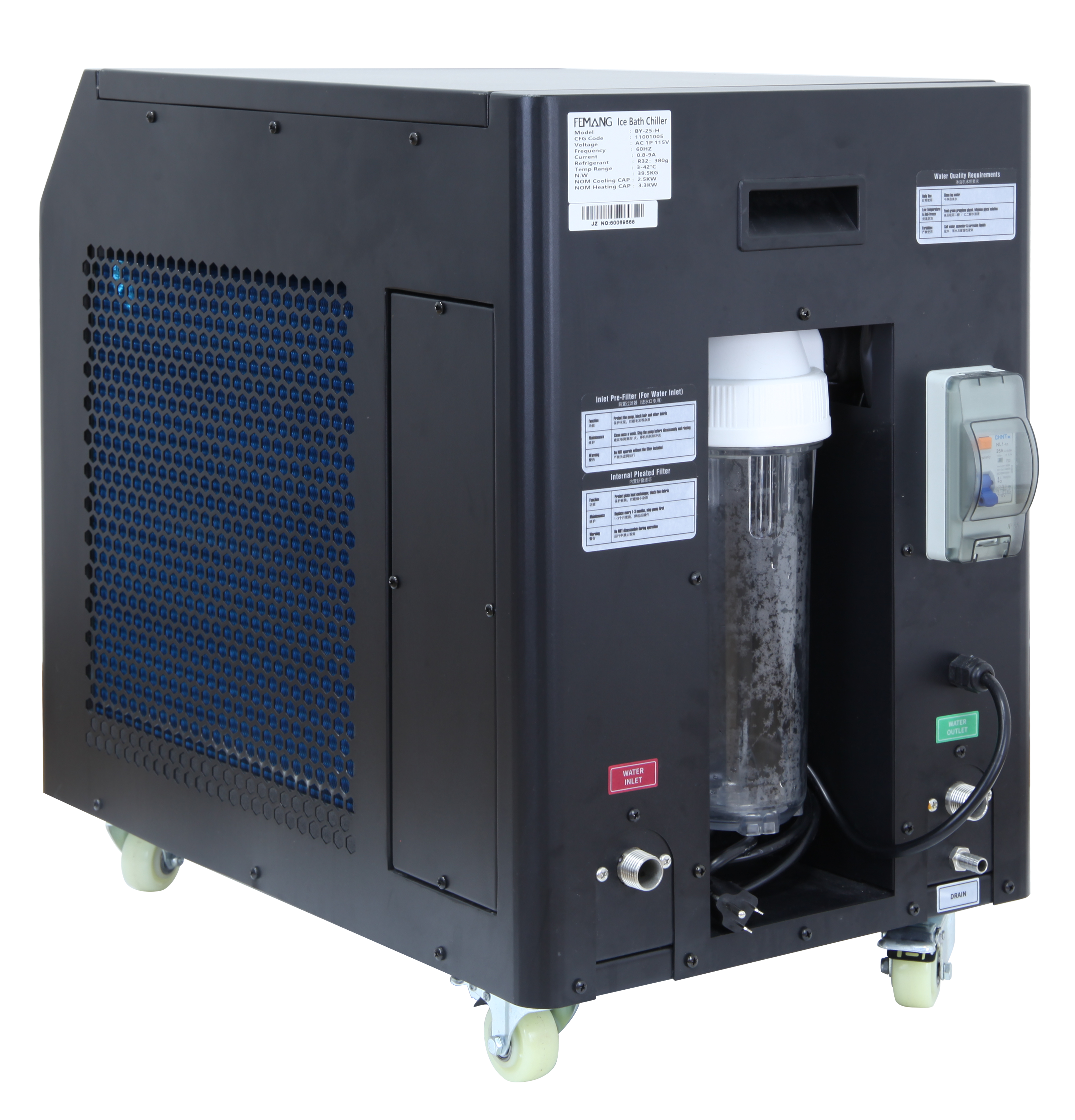
When you invest in cold plunge equipment for your facility, the quality of accompanying documentation directly impacts operational efficiency, user safety, and long-term asset protection. Comprehensive documentation serves as the foundation for proper installation, consistent maintenance, staff training, and regulatory compliance. Without complete and clear materials, even the most reliable commercial equipment can become a liability, leading to unexpected downtime, safety incidents, or voided warranties. The documentation that ships with your commercial cold plunge system should address every stakeholder, from facility managers to end users, ensuring smooth integration into your wellness or recovery program.
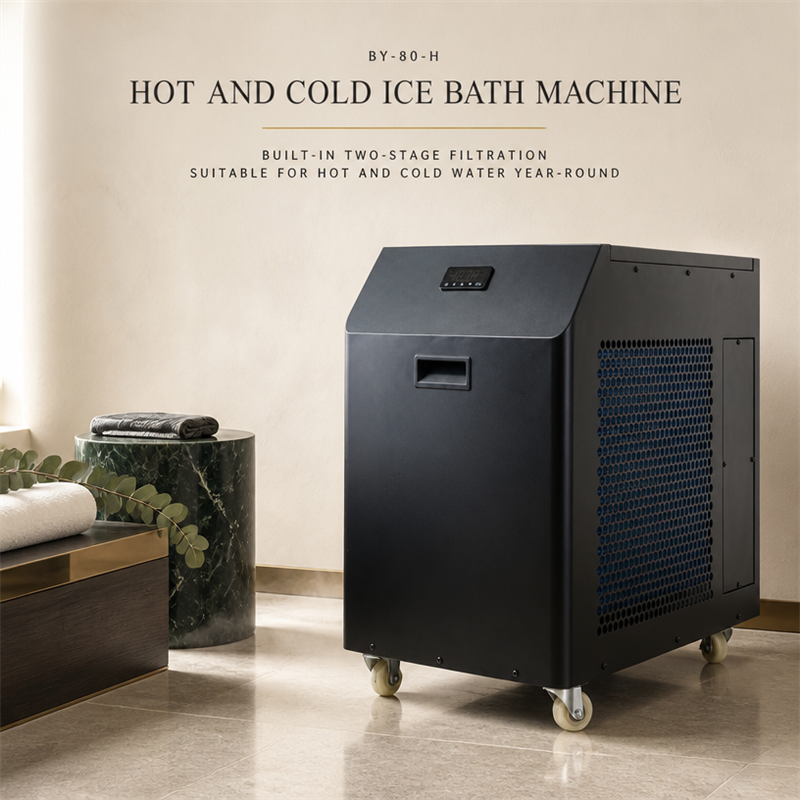
Professional operators understand that commercial equipment documentation is not just a box to check during purchase. It represents the manufacturer's commitment to your success and serves as your first line of defense when questions arise about operation, troubleshooting, or warranty claims. The strength of supporting documentation often correlates with vendor reliability and the long-term value you receive from your investment. Organizations that prioritize comprehensive support materials experience fewer operational disruptions and maintain better relationships with their equipment suppliers.
Essential Installation and Setup Documentation
Technical Specifications and Site Requirements
Your commercial cold plunge equipment documentation must include complete technical specifications covering dimensions, weight, electrical requirements, water supply specifications, and drainage needs. This information allows your facility team to prepare the installation site properly before equipment arrival, preventing costly delays or modifications. The documentation should clearly specify whether the system requires dedicated electrical circuits, what water quality standards must be met, and what ambient temperature and humidity ranges the equipment tolerates. Site requirement documentation reduces installation errors and ensures the equipment operates at manufacturer specifications from day one.
Step-by-Step Installation Procedures
Detailed installation documentation should walk through each phase of equipment setup, from unpacking and inspection through final testing and calibration. Clear installation guides prevent common mistakes that compromise equipment performance or safety. The documentation must specify required tools, recommended professional qualifications for installers, and any sequences that matter for proper setup. High-quality installation documentation includes diagrams, photographs, and clear warnings about potential hazards during the installation process. When documentation is thorough, installation becomes predictable and reproducible across multiple facilities.
Operational and Maintenance Support Materials
Daily Operations and User Guidelines
Documentation for commercial equipment must include practical operational guidance covering startup procedures, temperature setting protocols, emergency shutdown processes, and daily inspection checklists. These materials should be written for staff with varying technical backgrounds, ensuring every team member can safely operate the cold plunge system. User documentation must address water quality maintenance, cleaning schedules, and what normal operating sounds and behaviors look like. Clear operational documentation reduces staff confusion, improves user safety, and extends equipment lifespan by preventing misuse or improper handling.
Preventive Maintenance Schedules
Comprehensive documentation must outline preventive maintenance requirements with specific intervals for filter changes, water testing, system inspections, and component servicing. Manufacturers should provide maintenance logs or templates that help facility staff track service history and demonstrate compliance with recommended care protocols. The documentation should explain why each maintenance task matters and what consequences result from skipped maintenance. Well-organized maintenance documentation helps facilities stay proactive rather than reactive, reducing emergency repairs and extending equipment life significantly.
Troubleshooting and Common Issues
Your commercial cold plunge documentation must include a troubleshooting section addressing common problems, their probable causes, and recommended solutions before contacting support. This section should cover temperature inconsistencies, unusual noises, water discoloration, filter performance, and system error messages. Effective troubleshooting documentation empowers your staff to resolve minor issues quickly without waiting for technician assistance. The documentation should specify which problems require immediate attention versus those that can wait for scheduled maintenance, helping facilities prioritize appropriately.
Warranty, Support, and Compliance Documentation
Warranty Coverage and Terms
Complete documentation must clearly outline warranty coverage, including what components are covered, what conditions void coverage, and what steps are required to maintain warranty validity. Warranty documentation should specify the duration of coverage, whether it transfers to subsequent owners, and how to file warranty claims. The documentation must address maintenance requirements that affect warranty protection, ensuring users understand their responsibility in maintaining coverage. Clear warranty documentation prevents disputes and gives facility managers confidence in their purchase decision.
Safety Certifications and Compliance Records
Commercial cold plunge equipment documentation must include copies of relevant safety certifications, compliance testing results, and regulatory approvals applicable to your jurisdiction and industry. This includes electrical safety certifications, water system compliance documentation, and any health department approvals required for facility-based equipment. Documentation should identify which standards the equipment meets and what regulatory requirements apply to different installation settings. Comprehensive compliance documentation demonstrates that equipment meets safety and quality standards, protecting your facility from liability concerns.
Technical Support Contact and Service Resources
Documentation must provide clear information about accessing technical support, including phone numbers, email addresses, support hours, and expected response times. The documentation should specify what information you should have ready when contacting support and whether remote diagnostics or on-site service are available. Many manufacturers now include access to online support portals, video tutorials, or knowledge bases within their documentation packages. Accessible support documentation ensures that when problems arise, your team knows exactly how to reach qualified assistance quickly.
FAQ
What documentation is most critical for commercial equipment safety?
The most critical documentation includes safety warnings about electrical hazards, temperature-related risks, water quality dangers, and emergency shutdown procedures. Safety documentation must be immediately visible to anyone operating the equipment, clearly written, and regularly reviewed with staff. Facilities should ensure that all users receive formal training on safety documentation before accessing the commercial cold plunge equipment independently.
How should facilities organize and store documentation for commercial equipment?
Facilities should maintain both physical and digital copies of all documentation, with organized filing systems that staff can access easily during emergencies or maintenance tasks. Digital copies should be stored on shared systems accessible to multiple team members, while physical manuals should be kept near the equipment or in a central operational resource area. Creating a documentation quick-reference guide summarizing key operational and emergency procedures helps staff find critical information rapidly.
What happens if original documentation for commercial equipment is lost or incomplete?
If original documentation is unavailable, contact the equipment manufacturer directly requesting replacement copies, which they typically provide at minimal or no cost. Many manufacturers now offer downloadable documentation through their websites or customer portals. Incomplete documentation should be supplemented with information from the manufacturer before operating the equipment, as missing guidance can create safety risks or warranty complications.
 EN