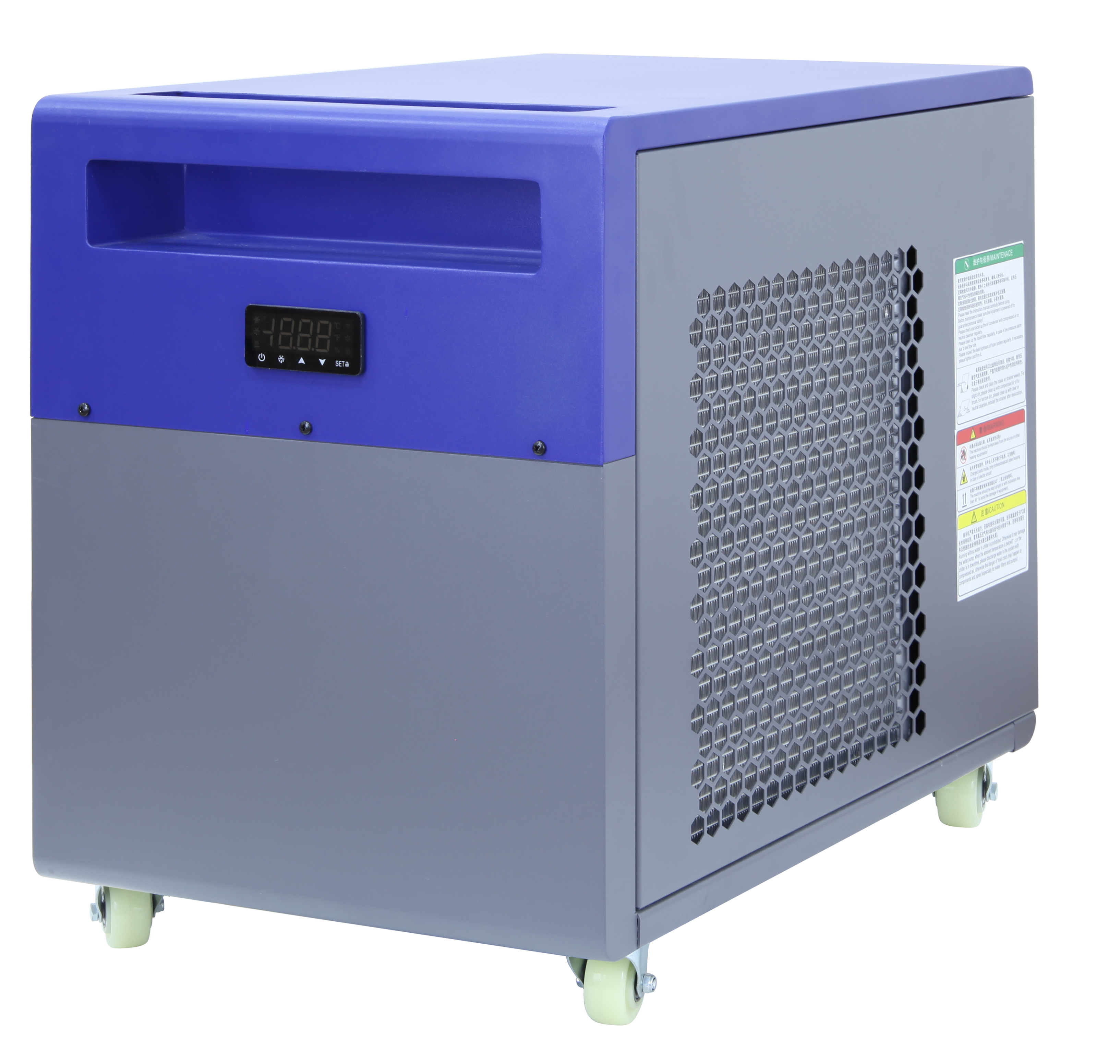
Investing in a cold plunge chiller is a significant commitment for any facility or residence seeking recovery and wellness benefits. Understanding the true cost factors that influence your project budget is essential before making a purchase decision. The price of a cold plunge chiller system extends far beyond the unit itself, encompassing installation, customization, ongoing maintenance, and facility modifications.

A cold plunge chiller project budget must account for multiple interconnected variables that determine final expenditure. Equipment specifications, installation complexity, sourcing decisions, and facility requirements all play crucial roles in shaping the overall investment. By examining these cost factors systematically, you can better anticipate expenses and allocate resources strategically for your wellness facility or personal use.
Core Equipment Specifications and Performance Specifications
Cooling Capacity and Power Requirements
The cooling capacity of your cold plunge chiller directly impacts both the equipment cost and operating expenses. Larger units with higher horsepower ratings provide faster temperature reduction and better performance stability, but they demand significantly higher energy consumption and initial capital investment. Your project budget must reflect the specific cooling needs of your target water volume and desired temperature maintenance during peak usage periods.
Power specifications vary considerably across different cold plunge chiller models available for sourcing. Units ranging from 0.5 horsepower to several horsepower options create a wide spectrum of pricing tiers. Performance demands determine which specifications align with your facility requirements, and matching capacity to actual usage prevents both overspending on excessive capability and underspending on insufficient cooling power.
Additional Features and Technology Integration
Modern cold plunge chiller systems incorporate advanced features that substantially influence cost factors. Ozone sterilization, ultraviolet light purification, digital temperature control systems, and automated filtration all add value but increase the total project budget considerably. Premium features enhance water quality, reduce maintenance burden, and improve user experience, making these cost factors worthwhile investments for commercial facilities or high-use residential installations.
Technology integration extends beyond basic cooling functions, affecting both sourcing complexity and long-term operational costs. Smart connectivity, remote monitoring capabilities, and programmable scheduling systems require sophisticated engineering and component sourcing. When evaluating cost factors, consider whether premium features align with your usage patterns and facility capabilities before committing to additional expenditure.
Installation, Facility Modifications, and Project Budget Allocation
Site Preparation and Infrastructure Requirements
Installation complexity represents one of the largest cost factors often underestimated during initial project budget planning. Your facility's existing infrastructure, electrical capacity, plumbing configuration, and structural considerations directly affect installation expenses. A cold plunge chiller requires adequate electrical supply, proper drainage systems, and sometimes structural reinforcement—costs that sourcing strategies alone cannot eliminate.
Site preparation costs accumulate quickly when facilities require modifications to accommodate the equipment. Concrete pad construction, electrical panel upgrades, dedicated water supply lines, and drainage infrastructure expansion all contribute to project budget overruns when not anticipated early. Conducting a thorough facility assessment before sourcing a specific unit prevents costly surprises and ensures realistic budget projections.
Professional Installation and Commissioning Services
Labor costs for professional installation significantly impact your overall project budget, particularly for complex commercial installations. Certified technicians ensure proper equipment setup, electrical safety compliance, water system integration, and system testing before operation. While attempting DIY installation might reduce immediate costs, improper setup compromises equipment performance, voids warranties, and creates safety hazards that ultimately prove more expensive.
Commissioning services establish optimal system performance parameters and operator training, which factually should be included in your project budget allocation. Technicians calibrate temperature controls, test sterilization systems, validate filtration efficiency, and document performance baselines. These services ensure your cold plunge chiller operates reliably and efficiently throughout its operational lifecycle, protecting your investment and maximizing user satisfaction.
Sourcing Strategies, Maintenance Planning, and Long-Term Cost Considerations
Sourcing Options and Procurement Decisions
Effective sourcing strategies directly influence your project budget through equipment selection, pricing negotiation, and vendor relationships. Direct manufacturer sourcing often provides better pricing than retail intermediaries, though it requires longer lead times and minimum order quantities. Your sourcing approach must balance upfront cost savings against delivery schedules, warranty coverage, and technical support availability when planning your project budget.
Sourcing from established suppliers with strong reputations protects your project budget from hidden costs related to poor equipment quality, inadequate warranty support, or missing components. Reputable vendors typically include installation guidance, technical documentation, and customer service that prevent costly complications. When evaluating sourcing partners, factor support quality and reliability into your cost assessment rather than selecting solely based on lowest purchase price.
Ongoing Maintenance and Operational Expenses
Project budget planning must extend beyond purchase and installation to encompass regular maintenance and operational costs that continue indefinitely. Filter replacements, water treatment chemicals, refrigerant servicing, and periodic equipment inspections represent substantial recurring expenses. Cold plunge chiller maintenance costs typically range from five to fifteen percent of initial equipment investment annually, making this cost factor critical for long-term financial planning.
Energy consumption creates another significant ongoing cost factor that influences your total project budget economics. Operating hours, ambient temperature conditions, desired water temperature, and equipment efficiency ratings all affect monthly utility expenses. Selecting high-efficiency cold plunge chiller models reduces long-term operational costs despite potentially higher initial sourcing prices, improving overall project return on investment.
FAQ
What factors most significantly impact cold plunge chiller cost?
Equipment cooling capacity, installation complexity, facility modifications, and advanced features represent the primary cost factors. Professional installation, site preparation, electrical upgrades, and sourcing decisions collectively determine your total project budget. Long-term maintenance and energy consumption should also factor into comprehensive cost analysis.
How can strategic sourcing reduce my project budget?
Direct manufacturer sourcing, bulk purchasing arrangements, and vendor negotiation can reduce equipment costs in your project budget. Comparing multiple suppliers reveals pricing variations and service differences that affect total value. However, prioritize quality and support over lowest price alone to avoid hidden costs that increase project budget beyond initial estimates.
Are maintenance costs included in the initial cold plunge chiller price?
No, maintenance and operational costs occur separately from initial purchase and installation expenses. Your project budget should allocate five to fifteen percent of equipment cost annually for maintenance, plus ongoing energy and chemical expenses. Planning for these cost factors prevents budget surprises and ensures adequate funding for equipment longevity and performance reliability.
 EN