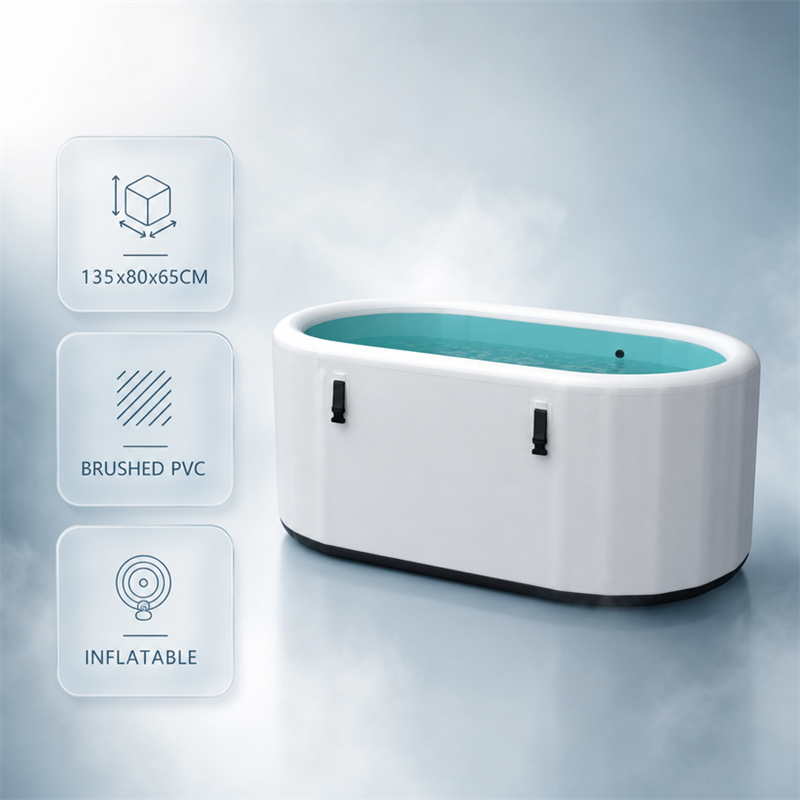
Selecting the right cold plunge tub requires understanding the customization options that align with your facility, climate, and wellness goals. Buyers often overlook critical features during initial purchasing decisions, leading to suboptimal performance, higher maintenance costs, or limited functionality. This buyer guide explores the key customization considerations that separate standard models from solutions tailored to your specific operational needs.
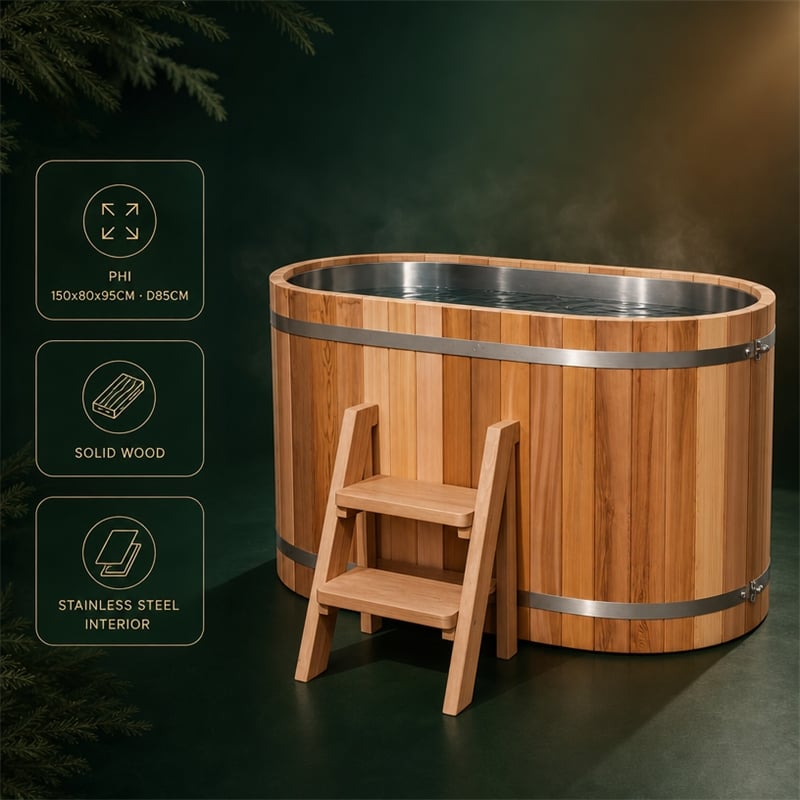
Whether you operate a fitness facility, wellness center, or recovery spa, the customization landscape for cold plunge tubs has expanded significantly. OEM manufacturers now offer flexible configurations that address material preferences, temperature control capabilities, installation constraints, and aesthetic integration. Understanding these options before committing to a purchase ensures you invest in equipment that delivers consistent performance, durability, and user satisfaction over years of operation.
Material and Construction Customization
Liner and Shell Options
The core structure of your cold plunge tub directly affects longevity, maintenance requirements, and temperature retention. Premium OEM models offer stainless steel liners paired with cedar or acrylic exterior shells, each providing distinct advantages. Stainless steel liners resist corrosion, bacterial growth, and scale buildup, making them ideal for high-volume commercial facilities. Cedar exteriors deliver natural insulation and aesthetic appeal, while acrylic shells provide lightweight portability and simplified cleaning protocols. Your customization choice should reflect your facility's environmental conditions, user volume, and maintenance capacity.
Insulation and Durability Features
Thermal performance separates premium cold plunge tub systems from basic alternatives. Advanced customization options include polyurethane foam insulation, reflective barriers, and temperature-stabilizing liners that reduce energy consumption and maintain precise water temperatures. OEM manufacturers specializing in commercial equipment often bundle insulation upgrades with their standard models, recognizing that thermal efficiency directly correlates with operational costs. When evaluating customization packages, prioritize models that minimize temperature fluctuation, especially in climates with significant seasonal variations or facilities operating multiple tanks simultaneously.
Temperature Control and Circulation Customization
Chilling System Integration
Temperature precision defines the user experience and therapeutic effectiveness of any cold plunge tub installation. Customization options range from passive cooling designs suited to cold climates to active chiller systems with programmable setpoints and real-time monitoring. OEM solutions often bundle integrated filtration systems, circulation pumps, and digital controls into tiered customization packages. A buyer guide must emphasize that active chilling systems justify their premium cost through consistent performance, reduced manual temperature monitoring, and extended operational seasons. Facilities targeting year-round cold exposure therapy should specify chiller integration during the purchasing process rather than retrofitting systems later.
Filtration and Water Quality Systems
Water quality directly impacts user safety, equipment longevity, and maintenance scheduling. Modern cold plunge tub customization increasingly includes multi-stage filtration systems, UV sterilization modules, and ozone injection capabilities. OEM manufacturers provide modular add-ons allowing buyers to scale filtration sophistication based on facility size and usage intensity. A facility servicing high-volume daily users requires significantly different customization specifications than a boutique wellness center supporting limited appointments. During your buyer evaluation, confirm whether filtration systems are pre-integrated, field-installable, or require professional integration services.
Size, Aesthetics, and Installation Customization
Dimensional and Capacity Specifications
Cold plunge tub dimensions must align with available space, user capacity requirements, and installation logistics. Customization options span from compact single-user designs to large communal installations accommodating multiple simultaneous users. OEM manufacturers often offer oval, rectangular, and cylindrical configurations with adjustable dimensions to fit architectural constraints. When reviewing customization specifications, consider not only the footprint but also water volume, which directly impacts temperature stability, filtration efficiency, and heating or cooling runtime. Facilities with space constraints should explore modular designs that break down for transport and reassembly on-site.
Control Systems and User Interface Customization
User experience technology represents an increasingly important customization dimension in premium cold plunge tub systems. Touchscreen controls, smartphone integration, preset temperature profiles, and immersion timing features enhance usability and enable data logging for therapeutic tracking. OEM solutions range from mechanical analog controls to sophisticated smart systems offering remote diagnostics and performance analytics. Your buyer guide analysis should weigh the operational benefits of advanced controls against increased complexity and support requirements. Facilities prioritizing user engagement and personalization should prioritize smart customization features, while straightforward recovery-focused facilities may find standard controls sufficient.
FAQ
What cold plunge tub customization options provide the best long-term value for commercial facilities?
Investing in insulation upgrades, stainless steel liners, and integrated filtration systems delivers the highest long-term value for commercial cold plunge tub installations. These customization choices minimize operating costs, reduce maintenance requirements, and extend equipment lifespan. OEM packages bundling these core upgrades typically cost 15–25% more than basic models but eliminate expensive retrofits and frequent repairs. Prioritize durability-focused customization over aesthetic-only upgrades when budget constraints limit your configuration options.
How do OEM customization options differ across cold plunge tub manufacturers?
OEM customization approaches vary significantly based on company specialization, production scale, and target market segments. Some manufacturers emphasize modular designs allowing field configuration, while others provide factory-integrated systems optimized for specific use cases. Reviewing the OEM buyer guide for your target equipment reveals customization methodology, support timelines, and integration requirements. Request detailed specification documents outlining customization options, pricing impacts, and lead times before committing to any particular manufacturer or package tier.
Should I prioritize active chilling systems or passive designs when customizing my cold plunge tub purchase?
Active chilling systems justify their cost for facilities requiring year-round consistent temperatures or operating in warm climates, while passive designs suffice for cold-climate facilities with seasonal cold exposure programs. Your customization decision depends on your facility location, operational season, usage intensity, and budget parameters. OEM specialists can model energy costs and performance outcomes across both customization pathways, enabling data-driven purchasing decisions. Facilities uncertain about long-term cold plunge tub usage should start with passive designs and upgrade to active systems after validating demand.
 EN