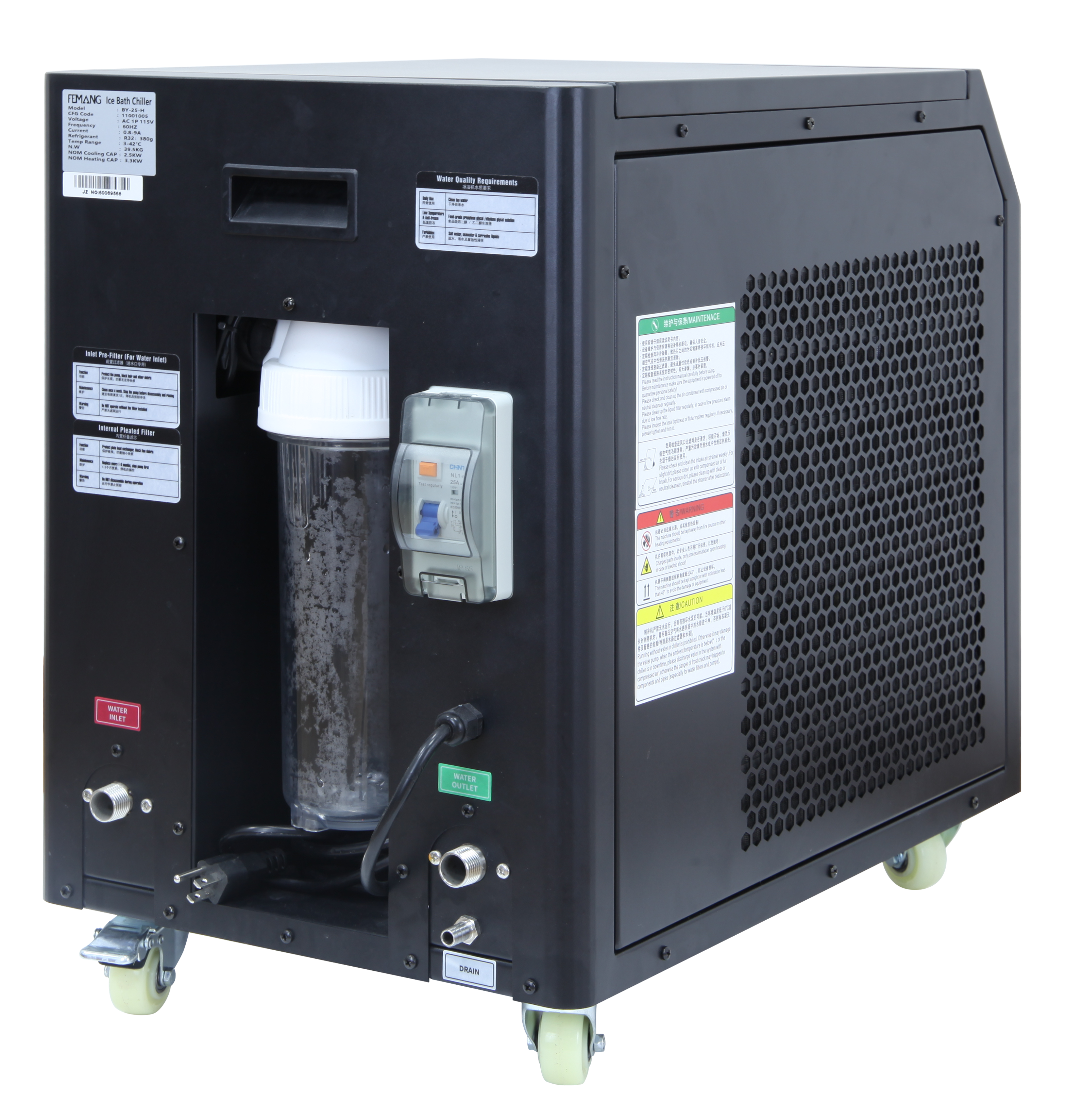
An ice bath chiller is a precision cooling system designed to maintain optimal water temperatures for therapeutic, industrial, or laboratory applications. However, the service life of your ice bath chiller depends heavily on how the unit is operated, maintained, and positioned within its environment. Understanding the key factors that can shorten service life helps facility managers, wellness centers, and industrial operators protect their investment and avoid unexpected downtime.
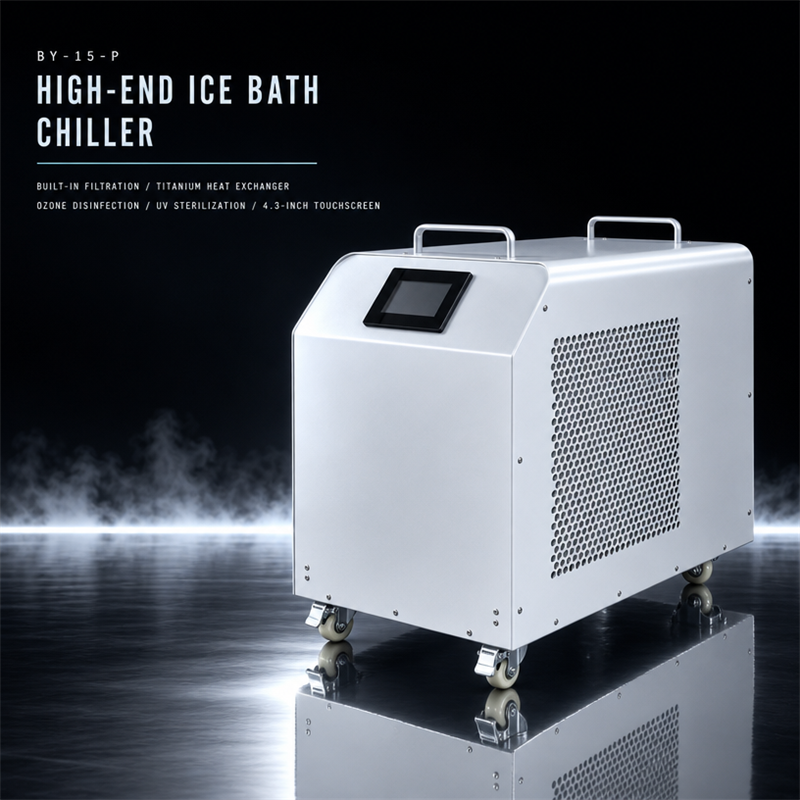
The longevity of an ice bath chiller is not simply a matter of purchasing a quality unit and leaving it untouched. Environmental stress, improper operation practices, inadequate maintenance routines, and component strain all contribute to accelerated wear and degradation. Recognizing these risk factors early allows you to implement preventive strategies that extend the unit's operational lifespan and maintain consistent performance.
Environmental and Operating Conditions
Temperature and Humidity Exposure
An ice bath chiller operates most effectively within specific environmental parameters. High ambient temperatures force the cooling system to work harder, increasing compressor load and accelerating component fatigue. When an ice bath chiller is placed in warm rooms or areas with poor ventilation, the condenser cannot dissipate heat efficiently, leading to thermal stress on the refrigeration cycle. Similarly, excessive humidity can promote corrosion of metal components, condenser fins, and electrical connections. Moisture ingress into the refrigerant circuit degrades refrigerant quality and reduces cooling efficiency over time.
Inadequate Ventilation and Placement
Poor placement directly impacts service life and operation reliability. If your ice bath chiller is positioned too close to walls, in confined spaces, or without adequate airflow around the unit, heat rejection becomes compromised. The compressor must cycle more frequently and run longer, consuming excess energy and wearing internal bearings prematurely. Placement near dust sources, direct sunlight, or outdoor elements also accelerates external degradation. Proper spacing—typically six inches to one foot from surrounding surfaces—allows the condenser and fan to function as designed, significantly extending service life.
Maintenance Neglect and Operational Misuse
Insufficient Maintenance Practices
The relationship between maintenance and service life cannot be overstated. Neglecting routine maintenance is perhaps the single fastest way to shorten the lifespan of an ice bath chiller. Filter changes, condenser cleaning, and refrigerant level checks must occur on a regular schedule. When filters become clogged, airflow restriction forces the compressor to work harder. A dirty condenser cannot release heat efficiently, causing the system to overheat and triggering premature shut-downs. Without proper maintenance schedules, refrigerant leaks go undetected, water quality degrades, and internal corrosion accelerates unchecked.
Improper Operation and Overuse
How an ice bath chiller is operated directly affects how long it remains functional. Continuously running the unit at maximum capacity without rest periods exhausts the compressor and other mechanical components. Frequently cycling the unit on and off during short intervals creates thermal shock, stressing seals and welds. Operation below the manufacturer's recommended water temperature range or attempting to freeze water beyond design specifications forces the refrigeration system into stress zones. Overfilling the reservoir or operating with contaminated water introduces debris that can damage pumps and clog pathways, reducing service life substantially.
Water Quality and Refrigerant Management
Poor Water Quality and Contamination
The quality of water circulating through your ice bath chiller directly influences component longevity. Hard water deposits scale the heat exchanger and reduce thermal conductivity, forcing the system to work harder to achieve target temperatures. Bacteria growth, algae formation, and microorganism contamination degrade water properties and promote internal corrosion. Particulate matter, oils, and chemical residues in the water can clog fine filtration passages and damage impellers. Regularly testing and treating the circulating water through proper filtration and periodic complete water changes prevents these issues and maintains efficient service life.
Refrigerant Degradation and Leakage
The refrigerant is the lifeblood of any ice bath chiller's cooling capability. Refrigerant leaks compromise system pressure, forcing the compressor to strain harder while delivering diminished cooling output. Moisture contamination in the refrigerant circuit forms corrosive compounds and reduces lubrication effectiveness, causing accelerated bearing wear. Over time, refrigerant oil can oxidize and break down, creating sludge that clogs expansion devices and reduces service life dramatically. Regular refrigerant analysis, prompt leak repair, and moisture management through proper evacuation procedures during maintenance are essential for preserving an ice bath chiller's operational integrity and extending its service life.
Component Stress and Design Limits
Exceeding Capacity and Thermal Cycling
Operating an ice bath chiller beyond its rated capacity accelerates wear across all major components. The compressor, pump, and motor all experience higher electrical loads and mechanical stress when asked to perform beyond design specifications. Repeated thermal cycling—rapid temperature fluctuations caused by improper use or environmental changes—creates expansion and contraction stress on welds, seals, and metal joints. This cyclical stress gradually weakens component materials, leading to premature failure. Understanding your ice bath chiller's capacity limits and operating within them is crucial for maximizing service life.
Electrical and Mechanical Fatigue
Electrical surges, unstable power supply, and improper installation of control systems can significantly reduce service life. Compressor motors are designed for stable power inputs; voltage fluctuations cause winding degradation and bearing problems. Mechanical wear accelerates when vibration is not properly dampened, causing stress on pump seals, motor bearings, and refrigerant connections. Insufficient maintenance of electrical connectors allows corrosion to build, increasing resistance and heat generation. These electrical and mechanical stresses compound over time, reducing the overall service life of your ice bath chiller system.
FAQ
How often should maintenance occur to extend ice bath chiller service life?
Routine maintenance should occur quarterly, with professional inspections annually. Filter changes, condenser cleaning, and visual checks for leaks should follow manufacturer guidelines specific to your ice bath chiller model. More frequent maintenance may be necessary in dusty, humid, or high-use environments. Regular maintenance directly prevents premature failure and maximizes service life by addressing small issues before they become system-wide problems.
What water quality standards protect my ice bath chiller from corrosion and scaling?
Circulating water should maintain a pH between 6.5 and 7.5, with total hardness below 200 ppm. Conductivity should remain below 1500 μS/cm to minimize corrosion risk. Using deionized or distilled water mixed with appropriate inhibitor packages protects internal surfaces from rust and mineral buildup. Testing water quality monthly and replacing water annually helps maintain optimal conditions and extends your ice bath chiller's service life significantly.
Can environmental temperature affect how long an ice bath chiller operates reliably?
Absolutely. Ambient temperatures above 40°C (104°F) force the ice bath chiller's cooling system into continuous heavy operation, accelerating component wear. High humidity above 80% promotes corrosion of electrical components and condensation inside the unit. Placing your ice bath chiller in climate-controlled environments with temperatures between 15°C and 30°C (59°F to 86°F) and humidity below 65% significantly extends service life and ensures reliable operation.
 EN